Letters from the Chairperson and CEO

A Foundation Built to Last
VASANT (VAS) NARASIMHAN
Chairperson of the Board of African Parks Network
"Long-term, accountable management of protected areas can reverse ecological decline and improve human wellbeing – this work is most enduring when it is led from the continent, by African institutions, alongside the people who carry it on the ground."
Read letter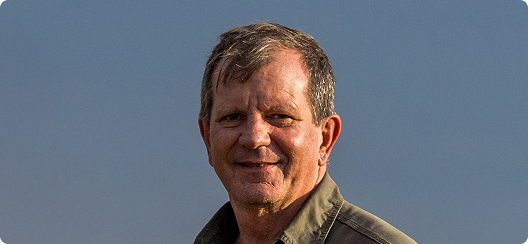
Perspectives From The Field
PETER FEARNHEAD
African Parks CEO
"This year’s theme recognises the partnerships and systems that underpin the work that we do and the progress we have made, while also pointing to the next phase as we work towards managing 30 protected areas by 2030 with the same discipline and long-term focus."
Read letterExecutive Summary
Growth and Partnership Developments
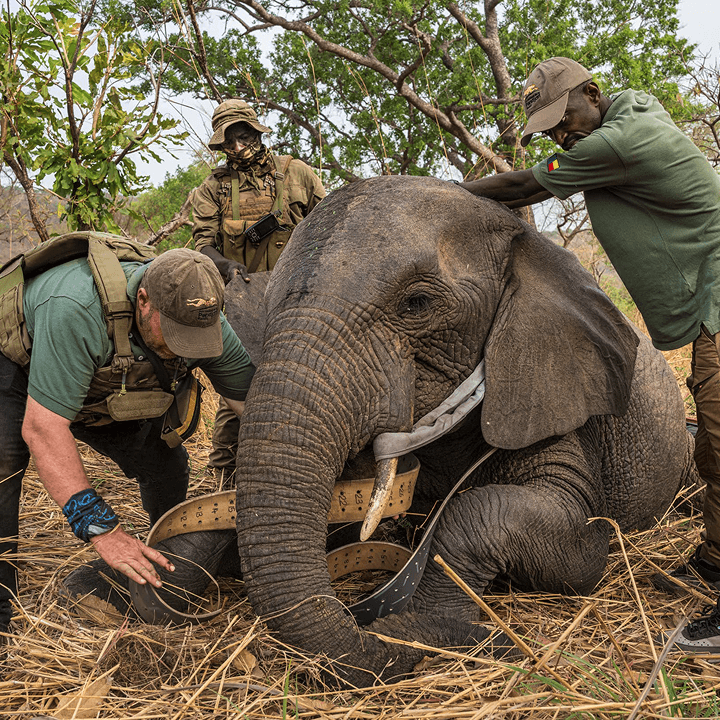
Towards the end of 2025, a long-term agreement for Kundelungu National Park in DRC was signed and the Garamba mandate renewed for another 10 years. After navigating various complexities, management agreements in Chad were reinstated. Progress continued in Ethiopia’s Gambella National Park, and in Mozambique on a unified marine strategy for the Inhambane Seascape. The Africa Keystone Protected Areas Partnership was also established to guide investment and coordination across the continent’s most vital landscapes.
Biodiversity Conservation and Monitoring
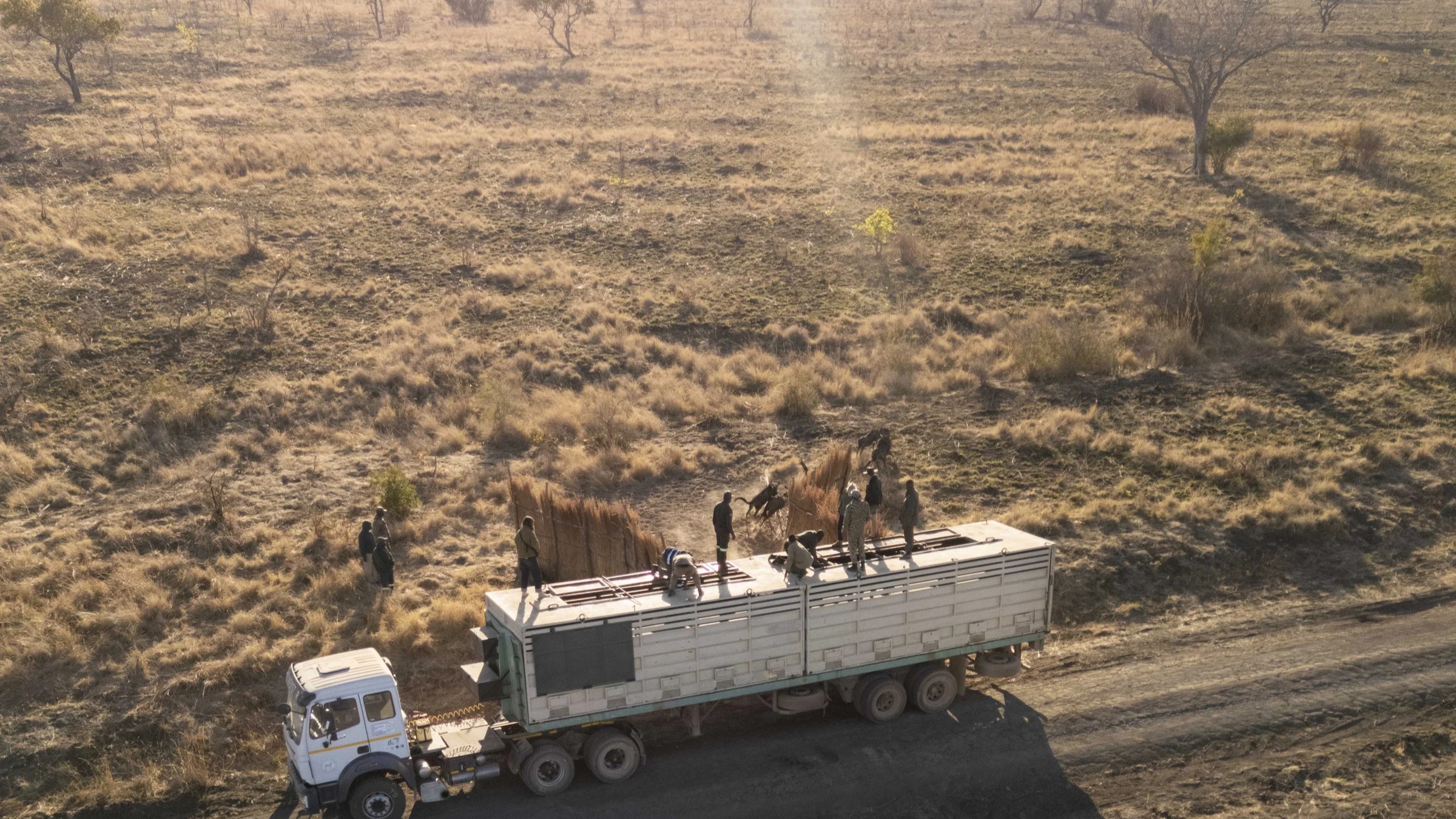
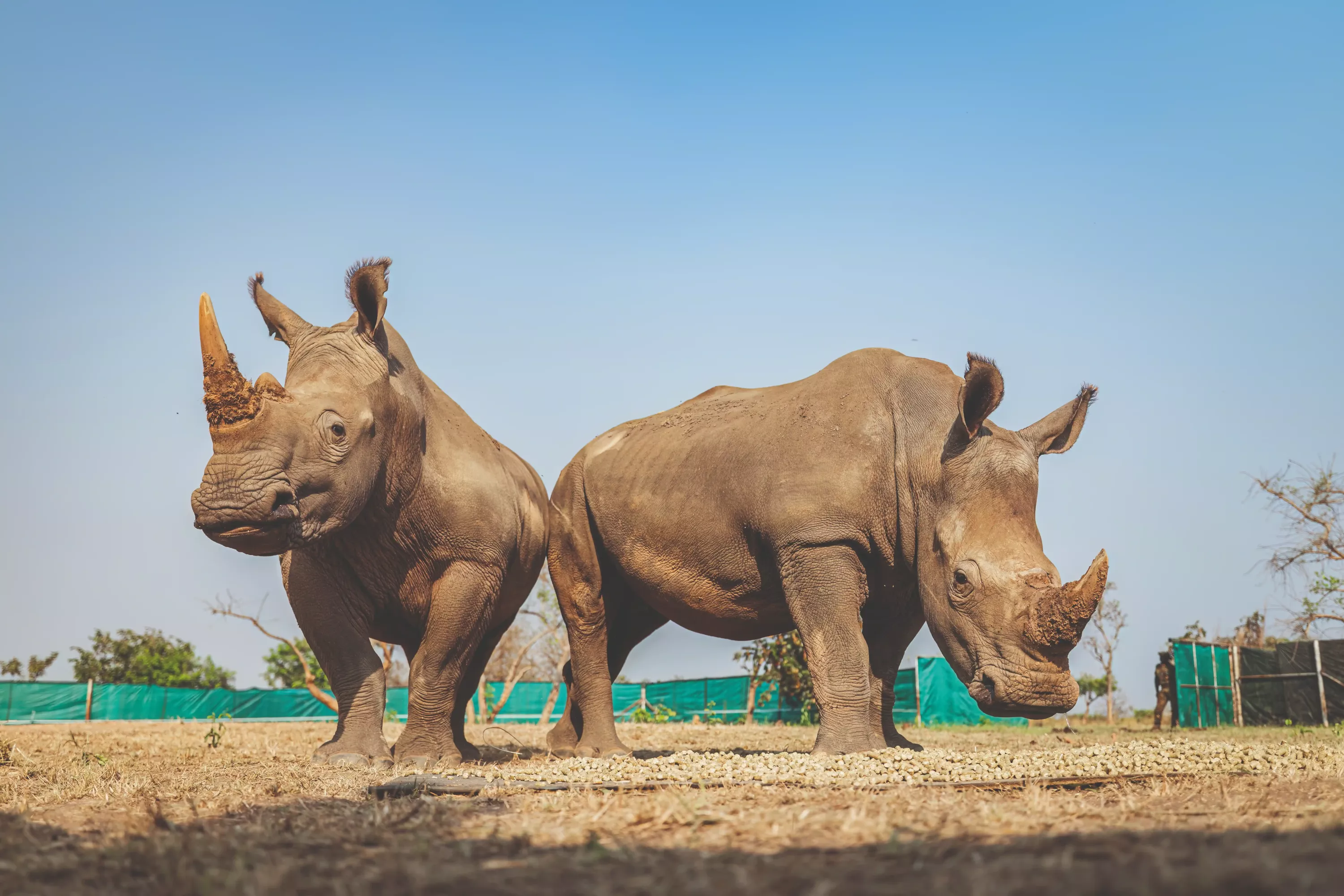
The Rhino Rewild initiative translocated 256 southern white rhino to secure, well-managed protected areas, bringing the total to over 630 to date. 2,217 animals across 13 species were moved in 2025, with hartebeest returning to Liuwa Plain after a 50-year absence. Park rangers conducted over 310,000 patrol days, removing 25,000 snares and confiscating hundreds of illegal firearms to ensure the integrity of these vital ecosystems, while enhanced monitoring using eDNA and BIOSCAN techniques provided deeper ecological insights.
Livelihoods and Enterprise Projects
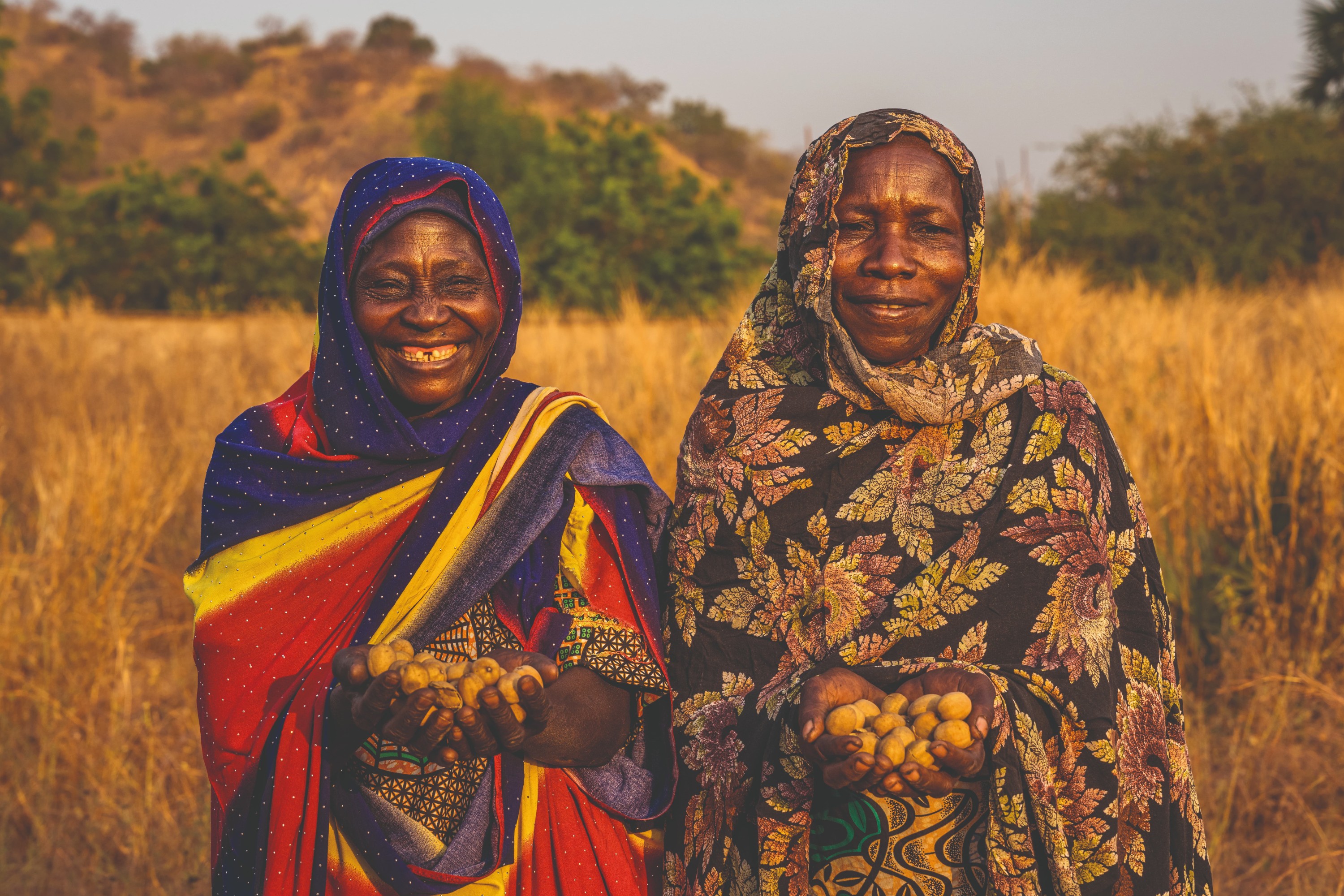
Over 33,000 people participated in livelihood projects across local communities, such as beekeeping and sustainable agriculture. In education, over 2,200 scholarships were provided and 395 schools supported, while 20,000 children visited the parks. Healthcare assistance reached nearly 100,000 people through park-supported clinics and services. Responses to human-wildlife conflict were tailored to specific contexts. Finally, the majority of the parks’ operational spending was directed to local suppliers, boosting surrounding economies.

Financial Resilience and Revenue Generation
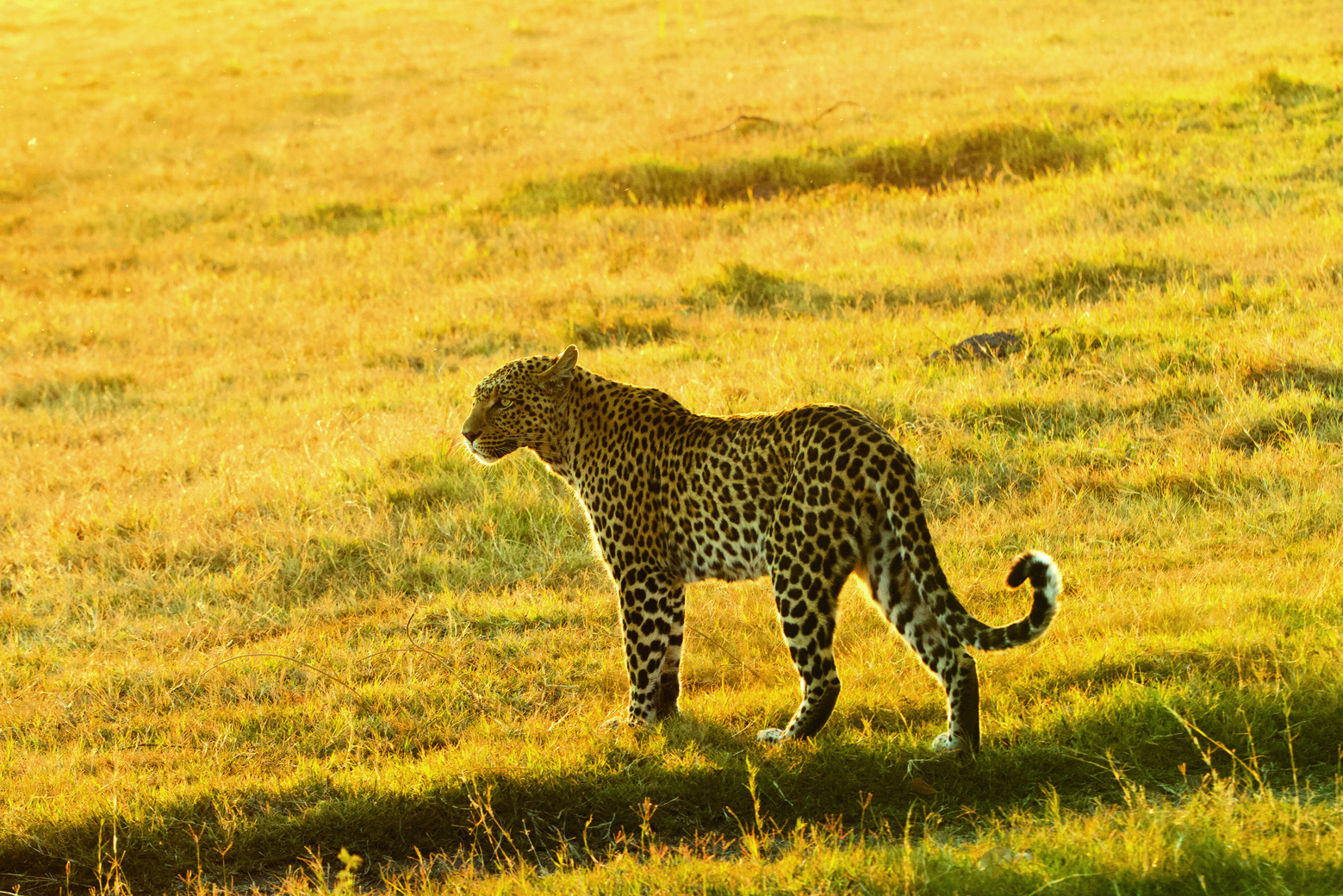
Despite major shifts in funding, the organisation demonstrated financial resilience and managed, through cost reductions and partner support, to close a US$25.4 million gap with no job losses. Progress was made in nature-based finance, with the first carbon fund disbursements made to community projects. Tourism revenue grew by 8% to US$17.8 million, supported by new lodge openings. Majete surpassed US$1 million in annual revenue for the first time, and Akagera achieved the major milestone of full financial sustainability for the year, generating over US$5 million in park revenue.
Safeguards and Governance
Significant efforts were made towards enhancing African Parks’ safeguards and human rights systems. Following recommendations, Project Bomoko was launched to embed a rigorous human rights-based approach across all operations. Key governance and oversight adjustments were implemented, including the establishment of a Rights and Safeguards Sub-committee of the Board. An Independent Panel of African legal and human rights specialists was also appointed to oversee the grievance mechanism, ensuring accountability and aligning all systems with international best practice.
The Road Ahead
The coming decade will test conservation with increased climate volatility, population pressure and land-use change. The case for Africa’s protected areas has never been clearer. How Africa's protected areas are managed over the coming decades will shape far more than biodiversity outcomes – it will shape water security for hundreds of millions of people, the stability and resilience of regions, the viability of rural economies across wide parts of the continent, and whether the systems these landscapes sustain remain intact for the communities who depend on them. This is a goal that depends on sustained partnerships with governments, communities and funders.
Impact By Numbers
69%
Overall Constituency for Conservation Index, an increase in overall positive sentiment from 61% in 2023
US$2.3M
in funds channelled to communities for their use
188,000
paying visitors to parks managed by African Parks, 59% of whom were local
US$7.3M
generated for parks from nature-based solutions, a 35% increase from 2024
US$2.1M
in income earned by communities from enterprise projects
17%
decrease in the average poaching rate
83%
of key species have increased or stabilised populations since partnership inception
2,217
animals from 13 species translocated in 2025