In landscapes where protected areas and densely populated communities exist side by side, infrastructure can play an important role in supporting coexistence between people and wildlife.
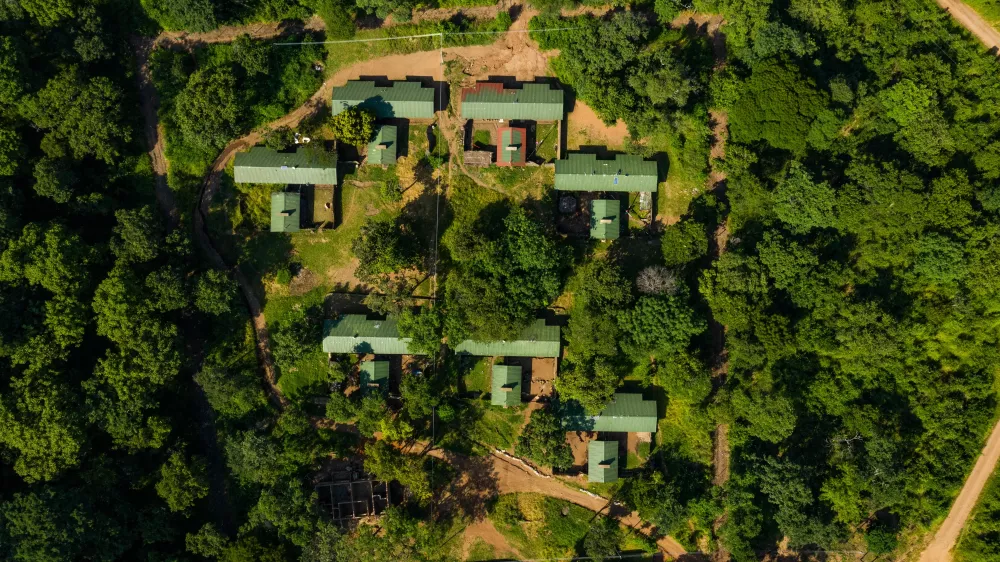
For Liwonde National Park in Malawi, one of the park’s most significant long-term investments has been strengthening its perimeter fence to help reduce human-wildlife conflict, particularly involving elephants.
The primary purpose of an electrified perimeter fence is to keep wildlife inside the park and reduce incidents of crop damage, injury and loss of life in neighbouring communities. Fencing does restrict wildlife movement, and that comes with real trade-offs. However, in landscapes where livelihoods depend heavily on farming, unmanaged elephant movement can place enormous pressure on communities living alongside protected areas.
Reinforcing Liwonde’s Perimeter
 © Naude Heunis
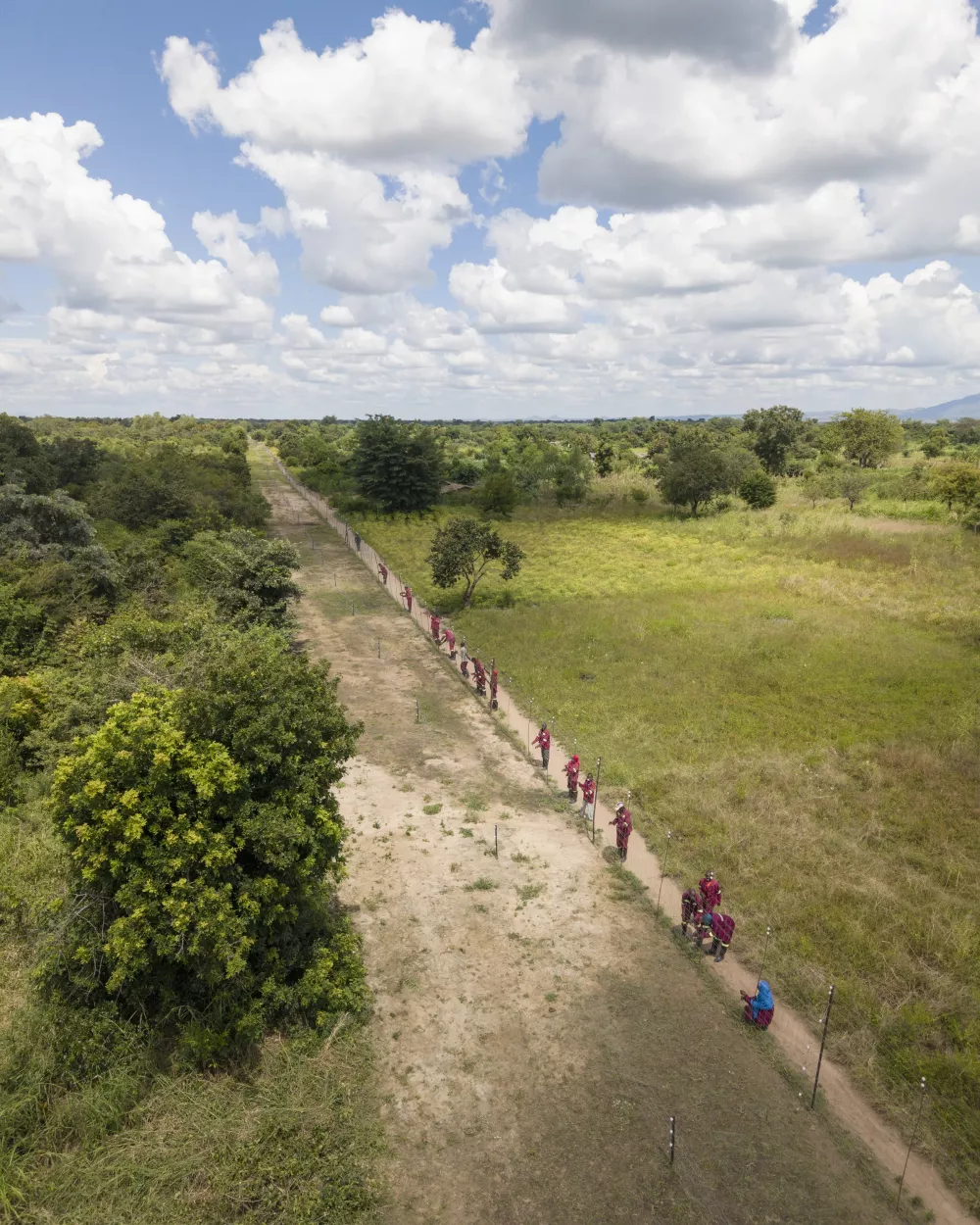
In response, Liwonde has invested in new fencing methodologies, particularly the expansion of a more elephant-resistant “Kenya fence.” Built using loose, flexible electrified strands that are difficult for elephants to break, the system has significantly strengthened vulnerable sections of the park boundary.
Originally planned as a 110-kilometre expansion, the success of the fence led the park to extend construction further, helping secure Liwonde’s entire 244-kilometre perimeter through a dual-layer system combining the original perimeter fence with the reinforced Kenya fence.
From 330 Breakouts to Zero
 © Andrew McDonald
 The impact was immediate. Between July and November 2025, Liwonde recorded 330 elephant breakouts, most linked to fence sections that had either been vandalised or not yet reinforced. But once construction was completed, December recorded zero breaches.
For neighbouring communities, that shift translated into fewer crop losses, improved safety and fewer night-time disruptions. For park teams, improved fence integrity has allowed greater focus on broader wildlife and ecosystem management.
A Community-Led Approach to Fence Protection
 © Sarah Wang
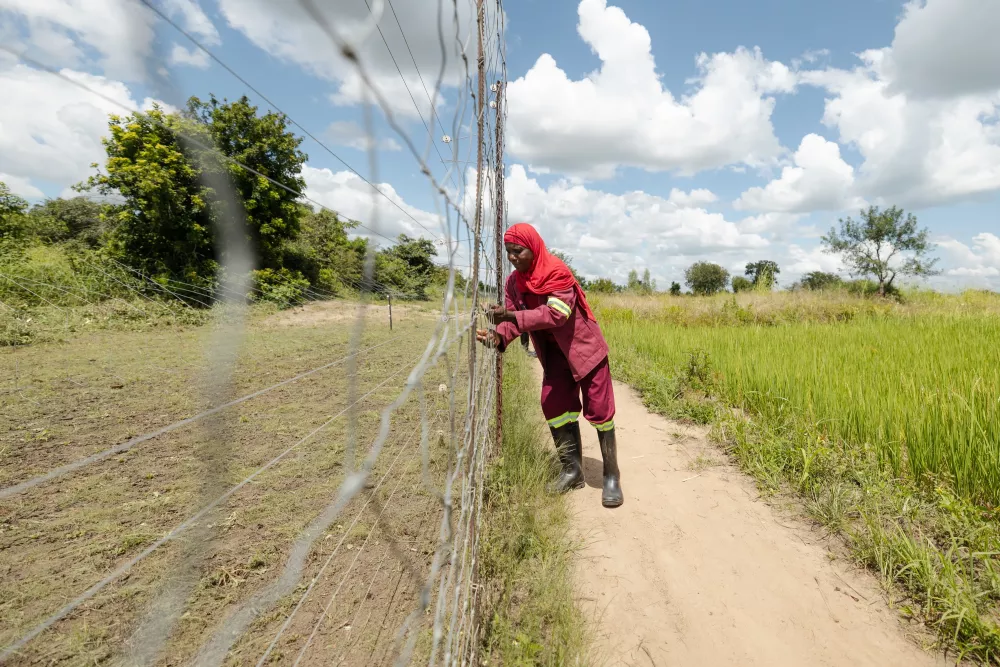
 The success of the initiative has depended on more than infrastructure alone. Fence vandalism and wire theft, often linked to illegal hunting activities, have historically undermined the effectiveness of the boundary. In response, Liwonde launched the Community Fence Protection Initiative in late 2024, an incentive-based programme that enables local communities to take a direct role in safeguarding the fence.
What began with two groups overseeing 16 kilometres expanded in 2025 to 27 community groups responsible for 126 kilometres of fence across Liwonde and Mangochi, including all recognised vandalism hotspots.
The results have been significant, including reductions in wire theft, pole theft, snaring incidents and animal breakouts, alongside visibly stronger fence integrity across community-managed sections.
A Shared Responsibility
 © Andrew McDonald
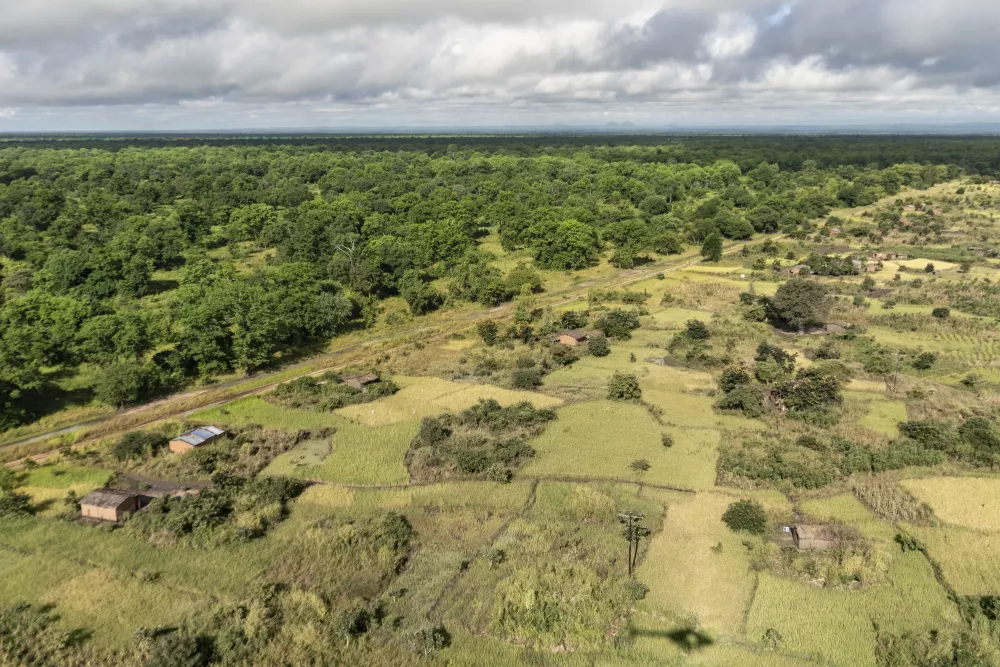
 Just as importantly, the initiative depends on the active involvement of neighbouring communities in protecting and maintaining the fence. In this way, the boundary is not simply infrastructure managed by the park, but a shared responsibility tied to the safety of communities, the protection of livelihoods and the long-term management of the landscape.
Liwonde’s approach reflects a broader reality across many protected areas: conservation depends not only on ecological management, but also on the practical systems, local partnerships and shared responsibilities that support coexistence over time.
To learn more about this story and our work, click here to see African Parks' 2025 Annual Report
5 June 2026