Where Art Meets Conservation

For millennia, art has helped people understand, interpret and connect with the natural world. UNESCO celebrates World Art Day annually on 15 April to recognise the role of art in bringing people, culture and place together. By inspiring expression and encouraging dialogue and ideas, art contributes to sustainable development, inclusive education and creating livelihoods.

From ancient rock art to contemporary storytelling through various art forms, these perspectives continue to influence how we live our lives and build connections with nature.  
Art That Inspires Change

  • Ancient rock art guiding the future
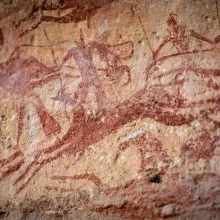
    Ancestral rock paintings portray a time when the Ennedi ecosystem was much wetter than it is today, offering a glimpse into a forgotten past and also guidance for contemporary conservation efforts.
  • From Brutal to Beauty
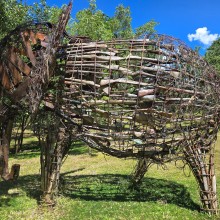
    What was once a threat to wildlife can become a powerful symbol of awareness, reflection and healing. Confiscated snares from Nkhotokota Wildlife Reserve and Nyungwe National Park have been transformed into sculptures that invite people to see both the impact of human activity and the possibility of change.
  • Expression Through Theatre and Voice
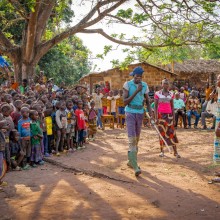
    In the Chinko Conservation Area, youth clubs highlight their communities’ relationship with nature through street theatre and local community radios, using performance and storytelling to bring everyday experiences and raise awareness about local environmental issues.
  • Stories for the Next Generation
    Akagera National Park boat captain Innocent Ndagijimana is also an author, turning his experience in conservation into stories for young readers. Through his books and a conservation club, he shares what he has learnt in a way that encourages curiosity and a deeper understanding of the world around them.
  • Creating a Livelihood Through Waste
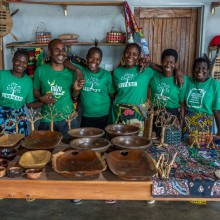
    Along the boundaries of Liwonde National Park, a women-led recycling group transforms waste paper into craft products. Their work not only generates income but also reflects how creativity can support both community livelihoods and environmental awareness.
  • Weaving new Opportunities
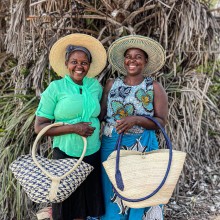
    In Bazaruto Archipelago National Park, traditional weaving is creating alternative income streams for local artisans and importantly reducing reliance on commercial fishing. These practices contribute to both cultural continuity and a more balanced use of natural resources.

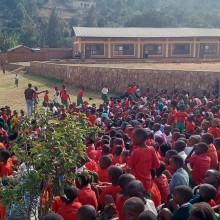
The Colours of Zakouma – watch how creativity inspires children to connect with nature and share their ideas and knowledge with others. 

Be the first to see impact in action

Join our community and stay connected on the latest news and stories.

×