
Biodiversity Conservation
Since African Parks and DPNW signed a management partnership agreement for Majete Wildlife Reserve in 2003, it has become a case study for positive conservation development, with a pioneering rehabilitation and reintroduction programme.
Species Restorations
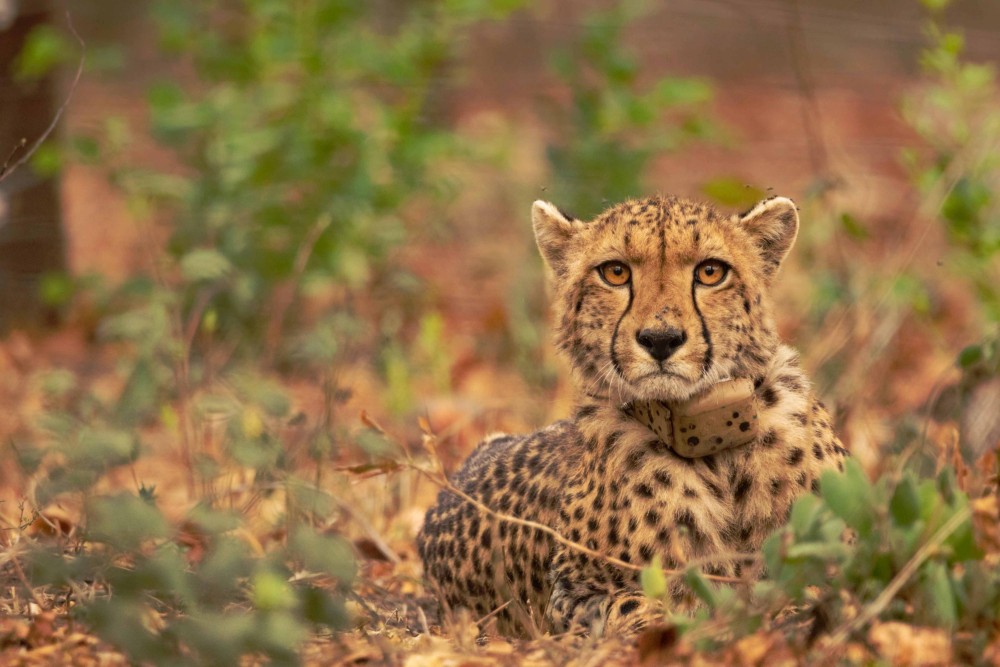 © Johannah Taylor
Work to rehabilitate and restore the reserve began in 2003 with infrastructure, building a management and park team, and strong community collaboration. Major reintroductions of herbivores took place, including elephant, black rhino, buffalo, eland, sable, waterbuck, nyala, Lichtenstein’s hartebeest, zebra and impala. Once a prey base had been established in the reserve, carnivores were brought in.
These introductions formed part of the Malawi Predator Metapopulation Management Plan, a collaborative effort between the Government of Malawi and African Parks to restore and manage predators across Malawi. Today, Majete boasts a full suite of the predators originally found here.
Overall, African Parks has introduced more than 3,000 animals of 17 different species. Some of the key species that were brought back include black rhino in 2003, elephant in 2006, lion in 2012, giraffe in 2018, 12 cheetah between 2019 and 2021, and six wild dogs in 2021.
By 2015, the elephant population had grown to some 400, enabling 154 elephant to be translocated from Majete to help restock Nkhotakota as part of the 500 Elephants Project – one of the largest elephant translocations in history. Since 2016, Majete has provided over 1,100 animals to assist in the restocking and genetic supplementation of other Malawi parks, a true reflection of successful restoration.
Monitoring and Surveys
Majete’s biennial aerial census recorded more than 12,400 large herbivores and 1,200 primates, predators, ground hornbills, and vultures in 2024.
Thirty-five lion have been fitted with collars, some located in inaccessible areas where pride dynamics are not well understood. Altogether, these are helping to add crucial data to inform Majete’s Predator Management Plan. Two male lion were translocated to Liwonde National Park in 2024 to enhance genetic diversity.
Wild dog continued to be successful, with a new litter of five pups during 2024 that brought the total born in Majete since reintroduction to 27. Five wild dog were also relocated to South Africa to support metapopulation expansion, while five cheetah cubs were recorded in September.
Conservation Law Enforcement
 © African Parks
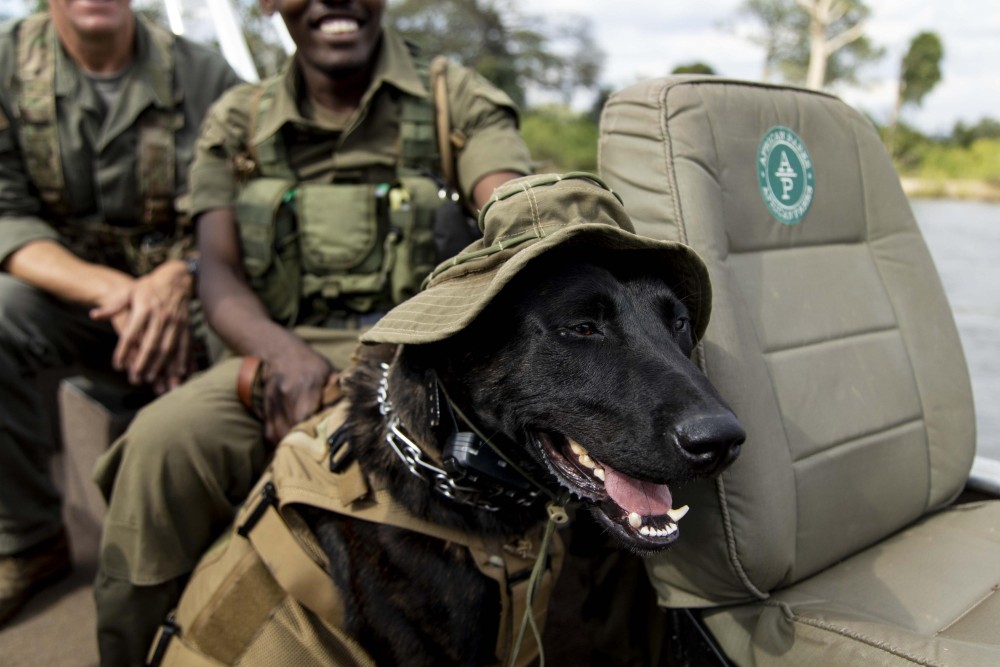
Capacity building of the conservation law enforcement team is a priority, with five female rangers completing Basic Field Ranger training in 2024, forming Majete’s first all-female patrol team. Cross-park training takes place, increasing in-park expertise for collaring and conservation interventions for example. Despite a decrease in animal breakouts, incidents involving leopard, buffalo, and elephant persist, highlighting the need for rapid response systems, early detection, thorough fence patrols, community engagement and collaring with geofences, for key species.
With the completion of a 144km predator fence, as well as an elephant-proof boundary fence, human-wildlife conflict incidents have declined significantly. Both are maintained by full-time fence technicians. In addition, Majete works with farmers to implement wildlife-conflict mitigation measures to minimise the impact of animals that live outside the reserve, such as baboons, porcupines and bushpigs, and increase tolerance levels for living alongside wildlife.
Be the first to see impact in action
Join our community and stay connected on the latest news and stories.