The African Parks Incubation Programme (AP-IP) works with like-minded conservation partners (from small start-ups to larger, more established organisations), that are managing diverse protected areas in Africa and looking to scale their operations.
A strategic vision
The African Parks Incubation Programme (AP-IP) is a groundbreaking initiative that empowers conservation organisations across Africa through support and mentorship. By providing access to African Parks’ own standard operating procedures (SOPs) and intellectual property (IP), the Programme enables partner organisations to apply (and if necessary, to adapt) this conservation toolkit to their own particular circumstances.
The Programme is based on knowledge sharing, guidance and oversight. By tracking progress and channelling donor funding, the Programme facilitates additional accountability and capacity.
The AP-IP package which is shared with Programme partners includes SOPs as well as many other tools, templates, operational manuals and strategic planning methodologies.
The aims of the Incubation Programme are closely aligned with the overarching strategy of African Parks; that is, to scale the impact of effective protected area management through supporting and mentoring partner conservation organisations on a long-term basis.
“The African Parks Incubation Programme aims to move beyond isolated wins to forge a sustainable, continent-wide future for African biodiversity. We are investing in people (as well as in landscapes) by working with conservation organisations to exponentially multiply the impact of effective protected area management. We are excited to see this initiative grow and to build the success of our partners by empowering them to become resilient Programme graduates which can drive and inspire positive change.” Dr Pierre-Armand Roulet, African Parks Incubation Programme Manager
Meeting a need
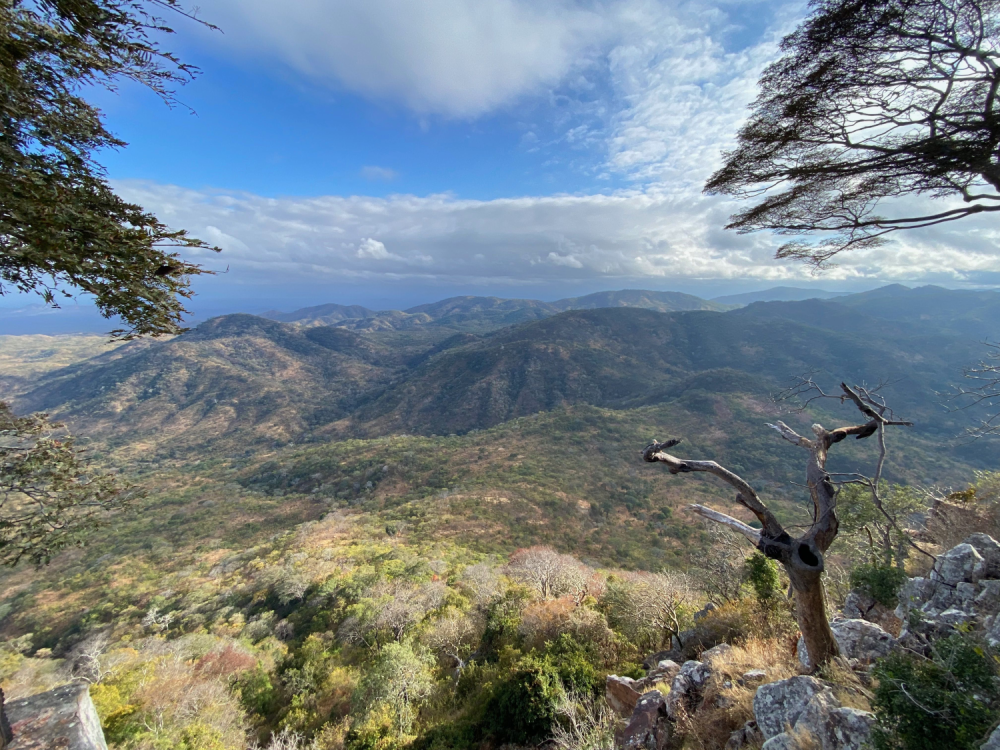
The Incubation Programme was launched in 2018 in response to a need for conservation organisations to develop their capacity to deliver long-term protected area management, potentially including the simultaneous management of multiple areas.
The AP-IP meets a demand from organisations that want to emulate African Parks’ holistic approach to the management of protected areas, and also in answer to requests from some institutional donors for the sharing of best practices.
By using a partnership approach, the Incubation Programme empowers conservation organisations to instil a culture of operational excellence, gain access to funding, and realise their community development and conservation goals. Ultimately, it is intended to increase the number of protected areas being managed according to sustainability best practices, and to boost the governance and financial resilience of African conservation organisations.
African Parks has a proven track record in conservation at scale and can contribute towards developing pragmatic and achievable systems and goals. This track record legitimises the mentoring work that the organisation undertakes and creates a responsibility to share key learnings. Within the AP-IP, partners are held to the same standards by which African Parks measures its own progress.
One of the key aims of the Incubation Programme is for the first conservation partner and protected area (Parcs de Noé (PDN) and Conkouati-Douli National Park) to graduate from the Programme by 2027, having achieved the required scale and met all applicable sustainability criteria. The AP-IP exit strategy allows several partners and protected areas to be at different lifecycle stages at any given time.
How it works
Drawing on African Parks’ over 25 years’ worth of experience in protected area management, the Programme enables partner organisations to effectively scale their conservation efforts, and facilitates the development of industry-wide solutions and best practices.
The collaborative support and mentoring provided through the Incubation Programme can be tailored to the unique needs of each protected area and partner organisation, including governance and organisational resilience, or access to long-term finance.
Since 2024, two forms of financial support have been envisaged as part of the Programme: partnership start-up grants comprise smaller, early-stage investments to help conservation organisations become established in the protected areas they manage and build a track record of success, while capacity enhancement and management building grants (due to be awarded from late 2026 or early 2027) are intended for partners which are scaling their management efforts.
Partnership agreements are signed for 10 years, with the possibility of renewal if desired. African Parks team members from various departments and parks can be mobilised on a needs-based ad hoc basis to support specific partners and guide them through a process that includes a mid-term assessment. Selected external consultants may also provide input as required.
Shared commitment, regular audits, field visits, reviews and performance tracking support excellence in governance, management and facilitate tangible, on-the-ground impact.
The impact of the Incubation Programme
Impact is measured in terms of the ecological, social and financial aspects of protected area management. Skill-sharing initiatives help partners to align with internationally accepted best practices and to increase their own resilience (and that of their team members) in the face of challenges.
Although every protected area is different, many of the challenges involved in their management are universal. By coming together under the Incubation Programme umbrella, each organisation benefits from shared problem-solving abilities and experience.
The positive, lasting impacts of Incubation Programme participation are aligned with African Parks’ three key pillars: Biodiversity Conservation, Community Development, and Park Revenue Generation.
Multiplying the impact
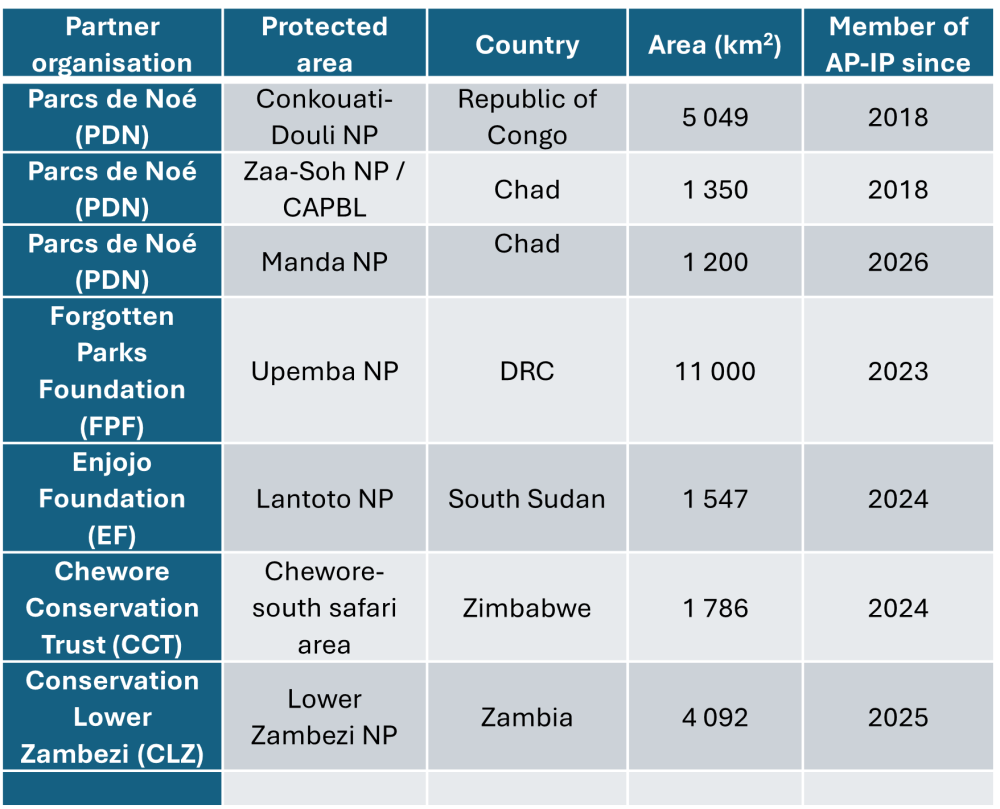
Currently, the Incubation Programme supports five conservation organisations across seven protected areas in six African countries. The total area being safeguarded in this way is over 20,000km2 (more than 4.9 million acres) of diverse protected landscapes. This equates to around 25% of the land area managed under mandate by African Parks, so it is clear that the Programme can be a significant ‘impact multiplier’ in protected area management.
How African Parks benefits from the Incubation Programme
As a conservation organisation, African Parks is always seeking to increase its impact, and the organisation regularly challenges itself to grow and innovate. Data-driven, community-led conservation at scale delivers real and lasting change, and African Parks is therefore committed to ensuring that more landscapes and communities benefit from similar, enduring partnerships.
The Incubation Programme inspires African Parks to reach out to new potential partners that share the organisation’s conservation DNA, and which are responsible for managing protected areas that have potential ecological and/or geographical synergies with parks and reserves (landscapes) that African Parks has already been mandated to manage. Day-to-day interactions provide opportunities for reciprocated learning, as does the movement of PMU and non-PMU members between African Parks and AP-IP partner organisations.
It also creates opportunities to reflect on goals and progress, and provides affirmation of African Parks’ principles and beliefs, and the key values of transparency and accountability.
A culture of innovation
The need to provide fundraising support to partner organisations enrolled in the Incubation Programme has contributed to innovation in funding models.
These include the roll-out of Verifiable Nature Units (VNUs), a groundbreaking means of assessing the monetary value of Nature, and of assessing the ecological impact of funding. As an example, a pilot scheme by the Forgotten Parks Foundation (FPF) in Upemba National Park, DRC, is exploring the viability of VNUs as a means of quantifying the value of protected areas in the Incubation Programme, and of attracting further funding.
Lessons learned
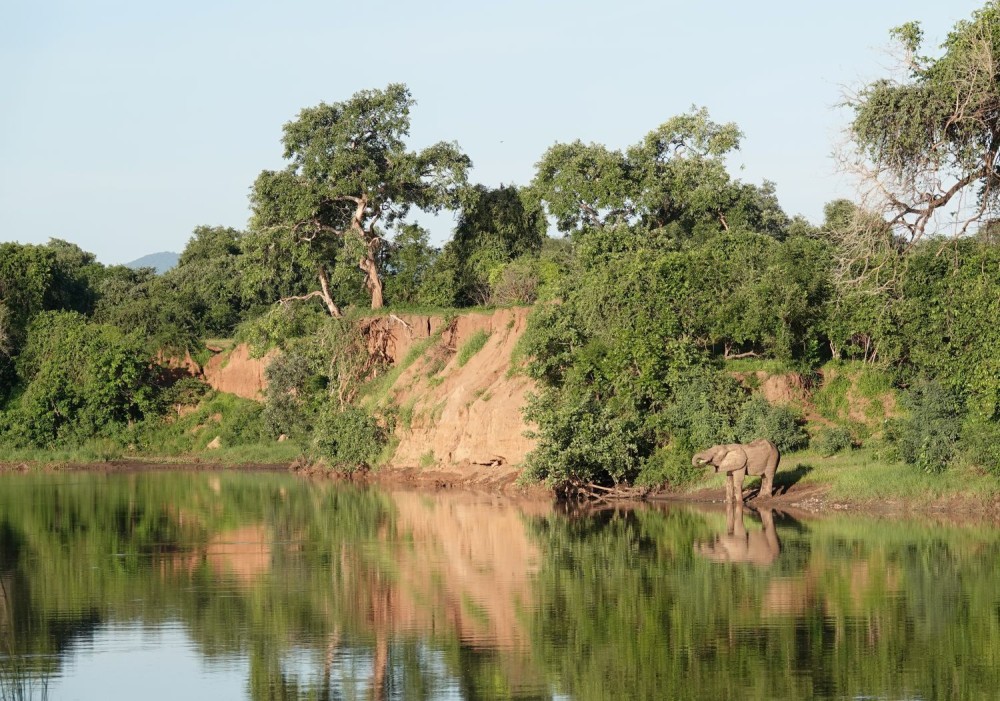
Experience gained through managing the African Parks Incubation Programme has highlighted a need to provide additional support to conservation champions – that is, those organisations managing multiple protected areas in a conservation at scale approach.
Of equal importance is empowering smaller, domestic (as opposed to international) organisations to enhance their capacity, stakeholder diversity and ability to manage protected area.
Lessons learned to date include a recognition that the Incubation Programme works more effectively in countries where both African Parks and the partner organisation have a presence. This facilitates more effective communications and more structured support and can help with economies of scale by avoiding duplication or overlap of effort.
Additional learning points:
- Funding must be sufficient and unrestricted (in the sense that it can be used by the partner organisation as they see fit, within their approved Business Plans).
- A modified exit strategy is needed for organisations wishing to leave the Programme within the 10-year timeframe.
- Greater sensitivity is required towards partners’ governance structures.
- Providing clarity around the fact that the AP-IP’s role is non-executive and purely focused on mentoring is important in order to secure Governmental approval.
A brighter, bolder future
The Incubation Programme has set a goal of concurrently working with a total of 15 protected areas by 2035, thereby expanding the scope of areas being sustainably managed. Reaching this goal may require making changes to the existing structure and branding of the Programme. The progressive graduation of conservation organisations and protected areas from the Programme, together with onboarding of new partner organisations and protected areas, will ensure that more of Africa’s ecosystems are being effectively managed and protected, and that their ecological viability is being safeguarded.
“We are enormously grateful to our donors, and to the partners, both organisations and governments who have helped make this initiative an ongoing success. It is through this type of collaboration that we will secure a lasting legacy of ecological stability and prosperity in Africa.” Dr Pierre-Armand Roulet, African Parks Incubation Programme Manager