Communication, collaboration and awareness have proven to be an effective formula for managing natural resources, boosting community resilience and helping to restore ecosystem health in habitats on the western fringes of Chinko Conservation Area (CCA) in CAR.
The return to Nganga
For the 2025 traditional fishing season, the women of Fodé returned to the Nganga Lakes following a consultative and exploratory process involving the CCA team, and the fishers themselves.
This process was sparked through the use of a suggestion box in Fodé village, in the western periphery of the CCA, with the women collectively expressing their concerns about lack of access to Nganga, and their rights to use natural resources in the area.
The story of the return of traditional fishing to Nganga highlights the importance of communication between communities and park teams, and of the need to achieve a balance between income generation, social development, regulation and ecosystem health. By working together, the various stakeholders are seeking to ensure that communities in eastern CAR can continue to rely on fish as a source of food.
A tradition at risk
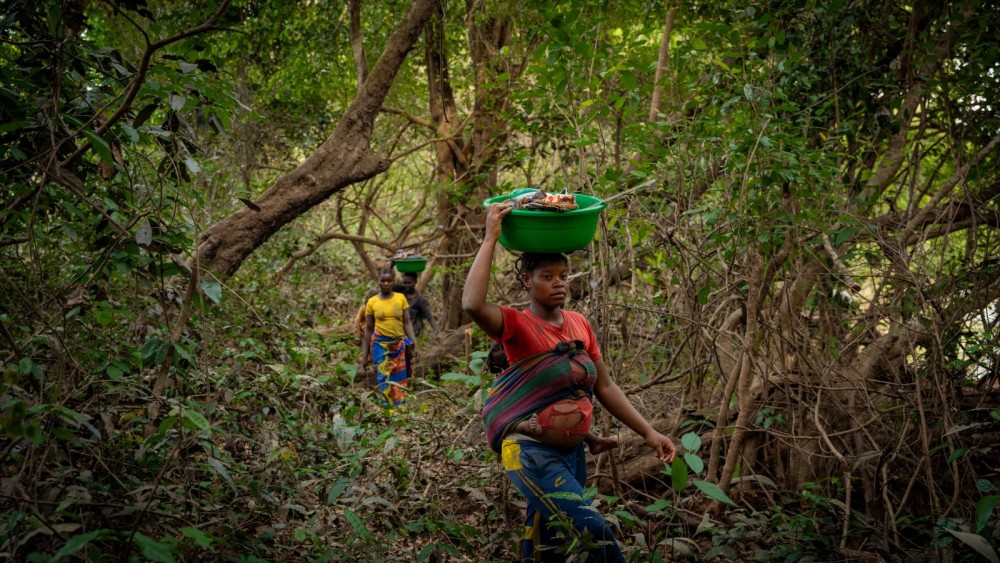
Traditional fishing methods have long been important to the people of eastern CAR, both as a way of generating income and of forging social bonds across generations. Fishing in the shallow lakes on the western boundary of the Chinko Conservation Area (CCA) has typically been the role of women, with the necessary skills being passed down from mothers to daughters. Small circular dams are constructed using sticks and mud; once the fish have swum inside, the dams are emptied of water using buckets so that the fish are trapped.
"We call this fishing practice 'the women's fishing,' but we invite the men to cut wood and help us. It's an activity that we women organise every year, and we've been doing it since we were young. I myself started when I was eight years old." Florence Dabakalet, fisher and mother of seven from Fodé village
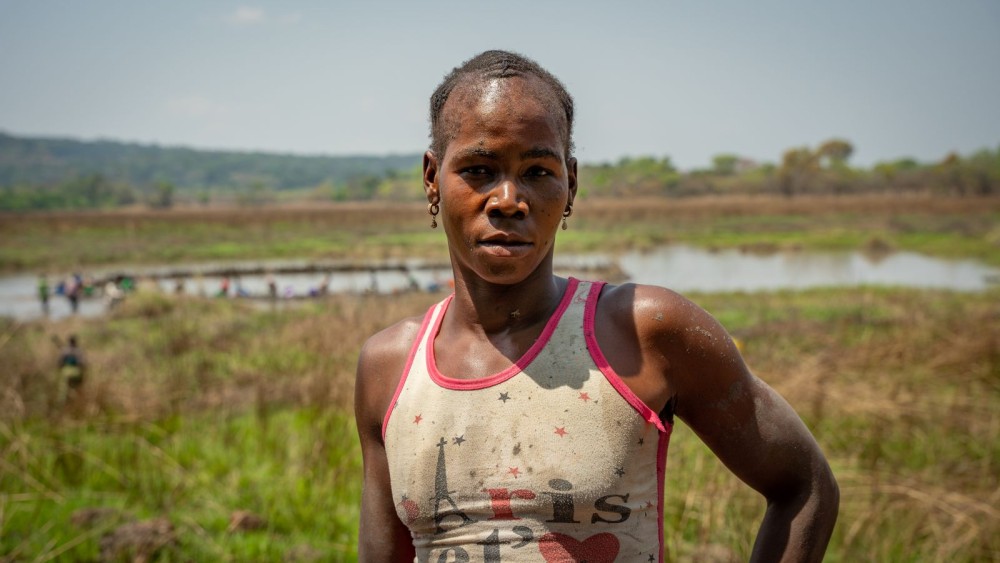
It is hard to overstate the importance of this annual event, which typically takes place in January – March, towards the end of the annual dry season. It cannot happen any earlier as the women have to wait for the water to evaporate and create the small lakes where they can fish.
The fish that are caught are smoked before being sold at market to generate much-needed income:
"This activity is important for us women. It provides us with the means to carry out our activities. With the profits from selling fish, we buy clothes for the children and do some trading. This year, I plan to use the money to pay for my children's school fees and clothes. Clarisse Yassiniaka, fisher and mother of 12 living in Fodé
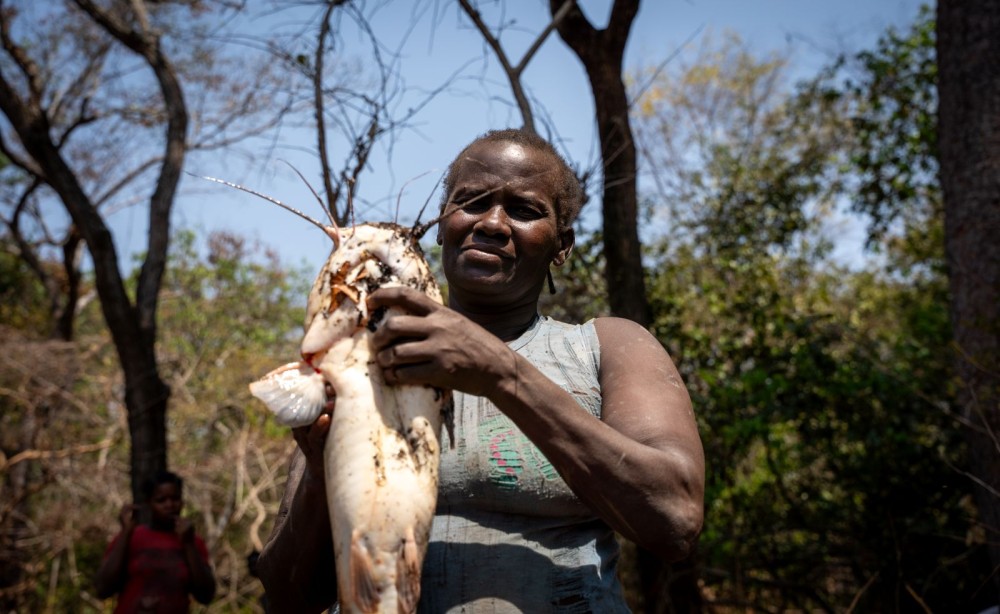
In recent years, however, yields have been declining. On their annual camping expeditions to the lakes, the women had noticed these changes in their environment:
“Before, the lake was vast and clear, but now it has become small and there is a lot of mud. Back then, we could catch more than ten buckets of fish in this lake. There was so much! Today, however, we only caught two buckets." - Clarisse Yassiniaka
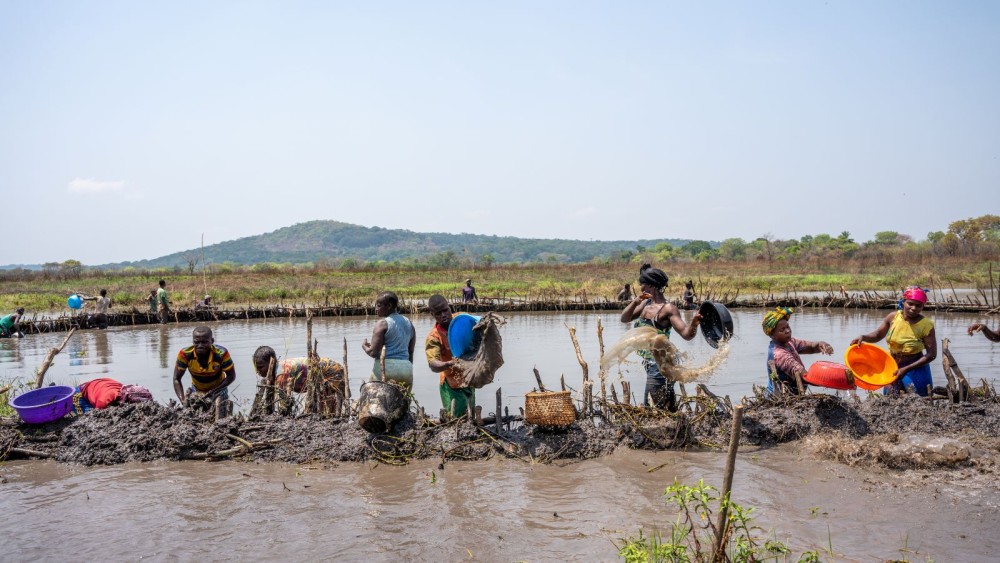
The adoption of more efficient but unsustainable fishing methods (including the use of poison, barriers blocking key water channels and non-selective fish traps and nets) has contributed to the lowering of fish stocks, and consequently a reduction in income for the villagers.
Another critical factor has been the absence of hippo from this ecosystem. In the past, when hippo numbers were much higher, they were one of the main sources of fertiliser in the water, which promoted vegetation growth. They also created channels that enabled fish to swim further inland during the wet season, where they could then be caught.
"I have to say that in the past, I wasn't happy when Chinko's team came to Fodé to raise awareness about conservation. I thought it was a bad thing. But this year, we saw for ourselves that the lakes are closed and that there are no more fish and too much mud. That's why we want the hippos to come back to this area." - Florence Dabakalet
Suggestion, collaboration, action, solution
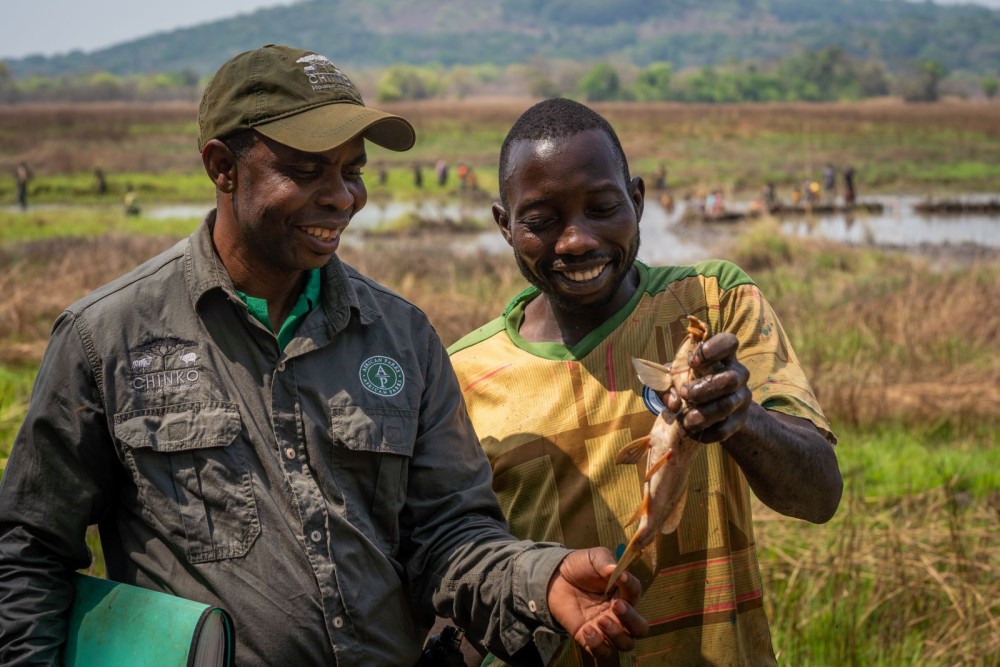
In eastern CAR, there is a direct causal link between less-healthy ecosystems and reduced community resilience. Compounding the anxieties of the fishers of Fodé village was their sense that the Nganga Lakes (around 18km from Fodé), where they had historically fished, were now out of bounds due to being in the core zone of the CCA.
A humble green suggestion box proved to be an excellent tool for promoting dialogue between conservation managers and local people, and for helping to restore the bond between people and the ecosystems they live in.
Once the Fodé women’s concerns were raised via the complaint management mechanism established by the Chinko team, a joint mission was organised involving the women and conservation agents, including awareness officers known as ECHOs.
This identified and geolocated the lakes in question, leading to confirmation that they were in fact within the community hunting zone defined in the Land Use Plan for the greater Chinko landscape. This plan was established through collaboration between the CAR Government, communities living on the periphery of the CCA, and CCA management. This in turn has enabled the resumption of traditional fishing activities at the Nganga Lakes.
Towards a more sustainable future
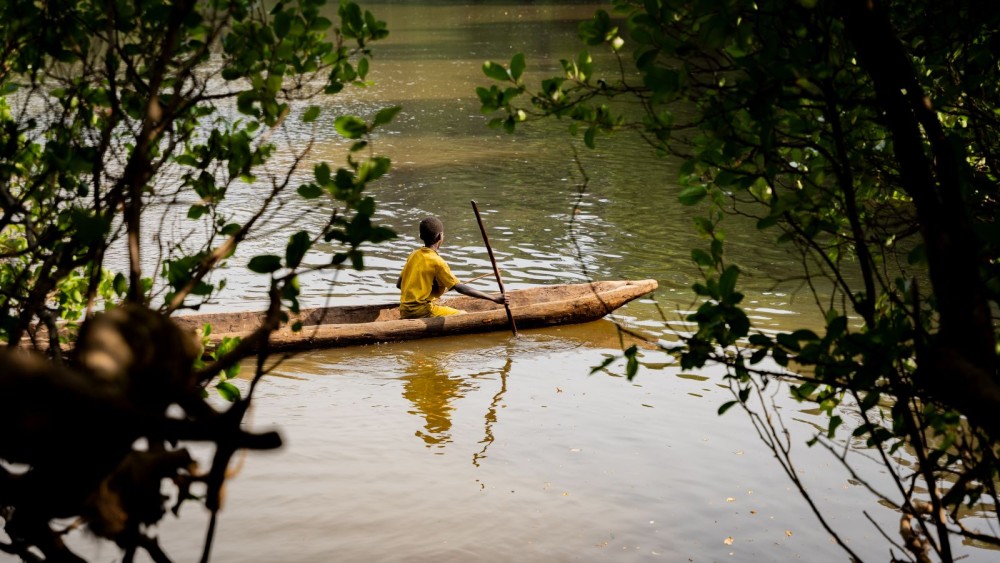
A key focus of the CCA is to support the fishers’ use of sustainable fishing and methods. For example, the CCA collaborated in August and September 2025 with community members from Fodé and Yalinga to reopen ponds that had closed, thereby replicating the impact of hippo. This innovative approach, inspired by conversations with the Fodé women fishers, seeks to explore the potential and effectiveness of creating open water surfaces rich in fish biomass closer to the villages.
Additional conservation methods aimed at increasing hippo numbers are proving to be beneficial to the fishing communities, too. An ecosystem that can support more hippo can ultimately provide greater food security for fishers and their families, as the role of the hippo in creating links between the river and the lakes is vital in maintaining fish stocks.
The importance of awareness
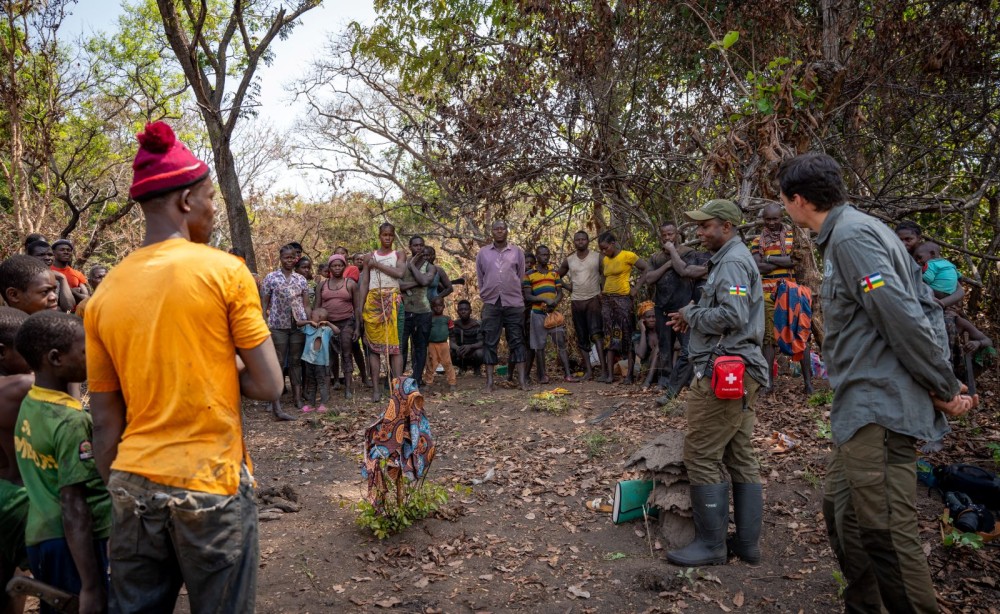
Ongoing awareness campaigns are highlighting not only the crucial role hippo play in maintaining healthy ecosystems, but also the importance of adopting safe and informed practices when living alongside these powerful animals.
Nono-Plaisti Betalide, Social Safeguards Manager for the CCA, is responsible for assessing and mitigating social risks associated with the Chinko Conservation Area. He was deeply involved in all aspects of this community development success story, as he recalls:
“These initiatives have promoted better understanding and greater involvement of local people in the functioning of this communication system between the conservation area and the villages on its periphery.”
It's clear that for Nono, this is a deeply rewarding role:
"What I like about my job is that it allows me to contribute to building a resilient community. Safeguards promote transparency, reduce conflict, and facilitate sustainable development. So by doing this work, I am helping to protect vulnerable populations and the environment."
By remaining close to the fishing communities and working with them, the CCA team will continue to work towards finding appropriate solutions to shared challenges.
20 November 2025