Community Development
Thousands of people living around Liwonde are benefitting from education, enterprise initiatives and healthcare, contributing to the livelihoods of more people each year.
Community Engagement
Collaborating meaningfully with local communities is essential to building a strong constituency for conservation. When communities are actively involved in park management and biodiversity efforts, and when there are tangible benefits from these collaborations, it fosters mutual trust, shared responsibility, and long-term custodianship of their natural heritage. In Liwonde, this ongoing engagement is rooted in partnership, and strengthening these relationships remains a priority.
Grievance boxes around the park form part of efforts to maintain open communication channels between park management teams and communities, while hundreds of community engagement and awareness meetings take place each year, reaching over 23,000 people annually.
Education and Environmental Awareness
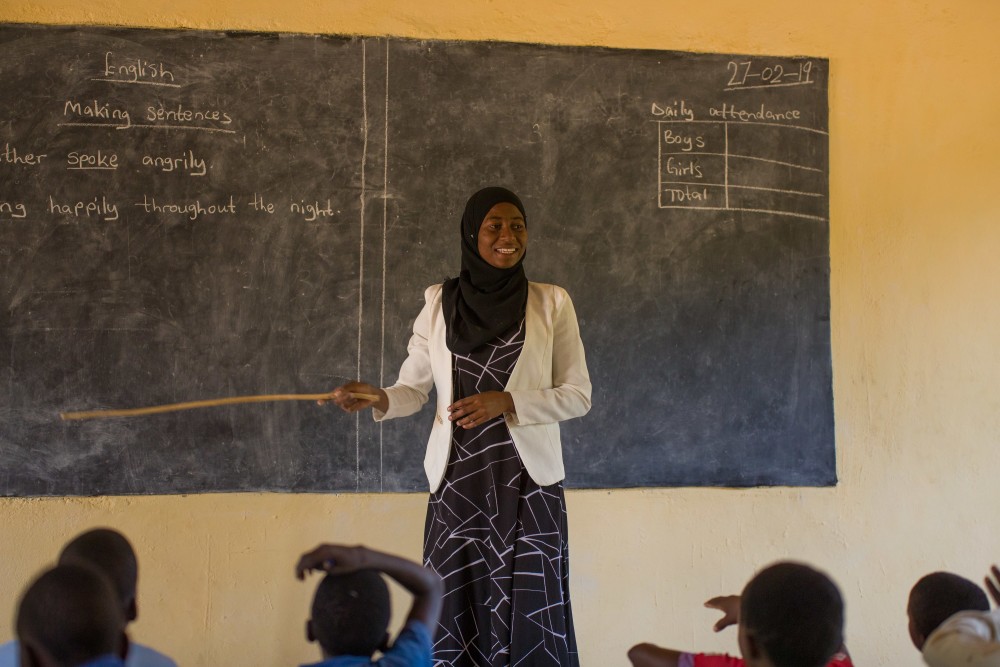
There is a strong focus on education at Liwonde, from helping to support 94 schools and 100 students with scholarships to bringing the schoolchildren to visit the park.
Reading programmes for hundreds of learners are helping to build literacy in communities. The Happy Readers programme has been rolled out to 21 schools and over 16,000 primary school learners, showing extremely good results. The “Reading around the Reserve” programme continues to run in conjunction with Book Aid International, where over 22,000 books and other materials have been distributed, ensuring an adequate supply of books to improve student literacy.
The Environmental Education Centre at Liwonde National Park was renovated in 2024, and has become a transformative hub for conservation education, hosting visitors from surrounding areas and further afield. The high numbers of visitors reflect the park’s strong commitment to promoting environmental education in local communities, thus nurturing advocates for environmental conservation.
Sustainable Enterprise Development
The two fishponds constructed for communities as part of a fish farming project have continued to benefit farmers and their families. In 2024, over 270 kg of fish was harvested, some of which was shared amongst the fishers for household consumption, while the surplus was sold to vendors. This helps diversify livelihoods and encourage communities to adopt alternative sources of protein.
Beekeeping offers opportunities for local entrepreneurship as well as providing an alternative source of income for surrounding communities. The Honey with Heart project supplies several supermarket chains in Malawi. Although drought affected honey harvests in 2024, the project continued to gain momentum: 120 Langstroth beehives were distributed to communities surrounding the park.
A sustainable resource-use programme in Mangochi Forest Reserve helps communities monitor and regulate harvesting of dead and fallen trees for firewood, as well as other natural resources in the reserve. Several tree nurseries have been established to propagate trees to reduce pressure on natural vegetation.
Spicy Farmers, a sustainable livelihood initiative that harvests chillies grown on ‘chilli elephant barriers’, earned over US$17,000 from chilli sales in 2024, with more than 170 farmers benefitting. Tropha is the official off-taker of the chilli, which is then sold on to Nando’s. The project provides the added benefit of a 'chilli elephant barrier', which has drastically reduced elephant breakouts and crop destruction.
Overall, more than 6,000 people are involved in harvesting natural resources, while over 240 community members are benefitting from an irrigation scheme project. These schemes not only enhance food production for communities surrounding the park but also generate income through surplus crop sales, strengthening both food security and livelihoods. Additionally, as part of waste management efforts, the Makhanga women’s paper recycling group transforms wastepaper into recycled products such as notepads, which are sold at the park gates.
Be the first to see impact in action
Join our community and stay connected on the latest news and stories.