When 17 black rhino arrived in Matusadona National Park in early June, they marked the return of a species that had been absent from the park for more than ten years.
However, the story began long before the aircraft landed on the shores of Lake Kariba. For Matusadona National Park Manager Mike Pelham, the return of these rhino is the culmination of a conservation effort that spans almost four decades, and one that he has witnessed from both ends.
In the early 1990s, poaching devastated black rhino populations across Zimbabwe. In response, Zimbabwe's Department of National Parks and Wildlife Management established a network of Intensive Protection Zones (IPZs), concentrating protection efforts and securing remnant populations wherever they could be found. Matusadona was designated as one of these zones in 1994.
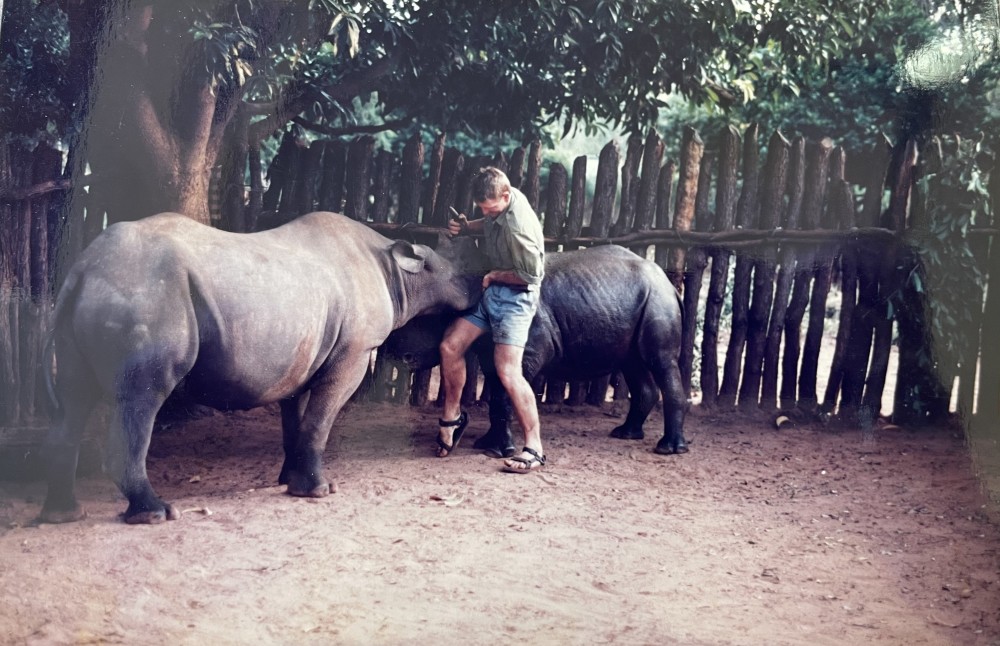
Mike was directly involved in locating and securing some of the country's remaining rhino, helping move scattered survivors into these protected areas.
A dark year in 2016 saw the last black rhino lost from Matusadona and, for the first time in millennia, the species was absent from the landscape.
Last month, this all changed. Seventeen black rhino were successfully reintroduced to Matusadona National Park, the first group in a broader effort to restore the species to a landscape where it once thrived.
The first intervention (1950s & 1960s)
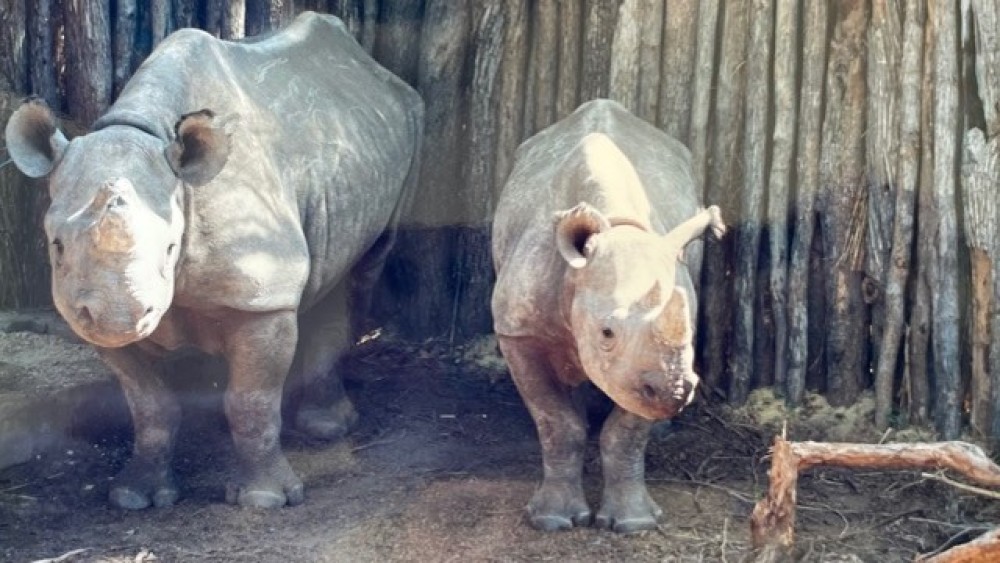
Black rhino had been part of the Matusadona landscape for millennia. Conservation interventions, however, are a much more recent chapter in their story.
The first major rhino intervention in the area took place during the late 1950s and early 1960s as the waters behind the newly constructed Kariba Dam began to rise. Wildlife became stranded on shrinking islands and pockets of high ground throughout the Zambezi Valley, prompting what became known as Operation Noah, one of the largest wildlife rescue operations ever undertaken in Africa. Among the animals rescued were black rhino.
The methods were a far cry from modern wildlife translocations. “They lassoed them, chased them on foot and only sedated them once they were on the ground," Mike says.
The rhino were then transported across the rising waters of Lake Kariba on barges and released into Matusadona.
One photograph in particular stands out. Moments after being released from the barge, a rhino turns and charges back towards it, sending the capture team scrambling into nearby trees.
"Anyone who's ever worked with black rhino will have an affinity with that picture," Mike continues. "It just shows the character of a black rhino."
The park proved highly suitable for the species. Abundant browse, perennial water and extensive habitat supported a thriving population. So suitable was the habitat that rhino were never comprehensively counted because few believed they would one day disappear.
"We never thought that rhino would ever be under risk," Mike recalls.
The poaching crisis and the IPZ programme (1980s & 1990s)
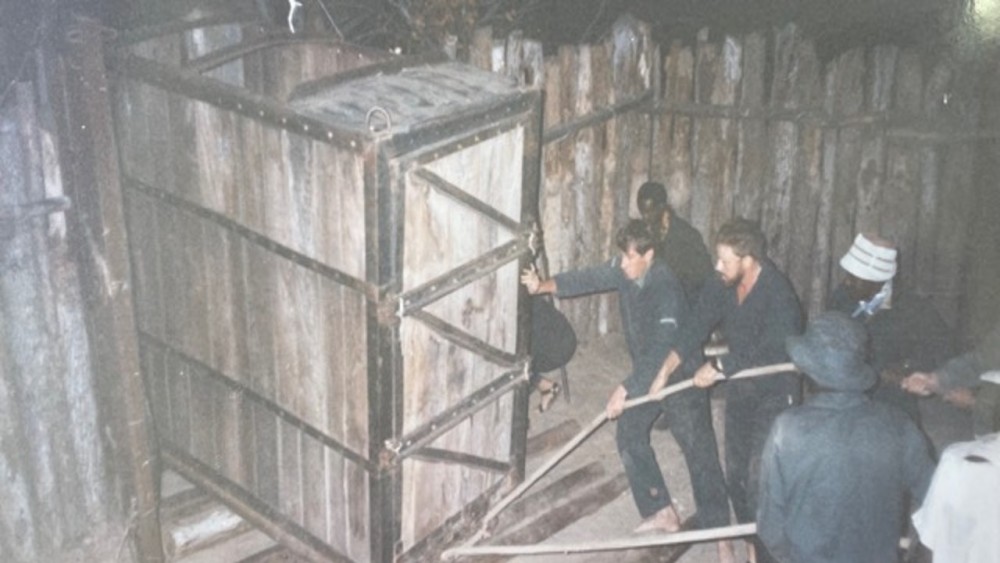
Despite the optimism, everything changed during the 1980s and 1990s. Poaching caused dramatic declines in black rhino populations across Zimbabwe. Nationally, numbers fell from an estimated 3,500 animals in the mid-1980s to around 400 by 1990. Until today, the southern black rhino remains listed as Critically Endangered on the IUCN Red List. In Matusadona, only 16 animals remained.
In response, Zimbabwe established IPZs, concentrating protection efforts and securing remnant populations wherever they could be found.
Alongside efforts in the field, rhino were moved into secure populations elsewhere in Zimbabwe. Some were placed on private conservancies, others in protected areas across the country, and some were even sent to Australia and the United States for safekeeping.
The loss of the last rhino (2000 – 2016)
The conservation efforts initially stabilised Matusadona's population. By 2000, black rhino numbers in the park had increased to approximately 45 animals. However, subsequent economic challenges and renewed pressures led to another decline.
The last confirmed record of a black rhino in Matusadona was captured by a camera trap in 2016. While elsewhere, the populations established during the IPZ era remained largely intact, for the first time in years, black rhino were absent from the Matusadona landscape.
Preparing for their return (2016 – 2026)
 © Wiki West
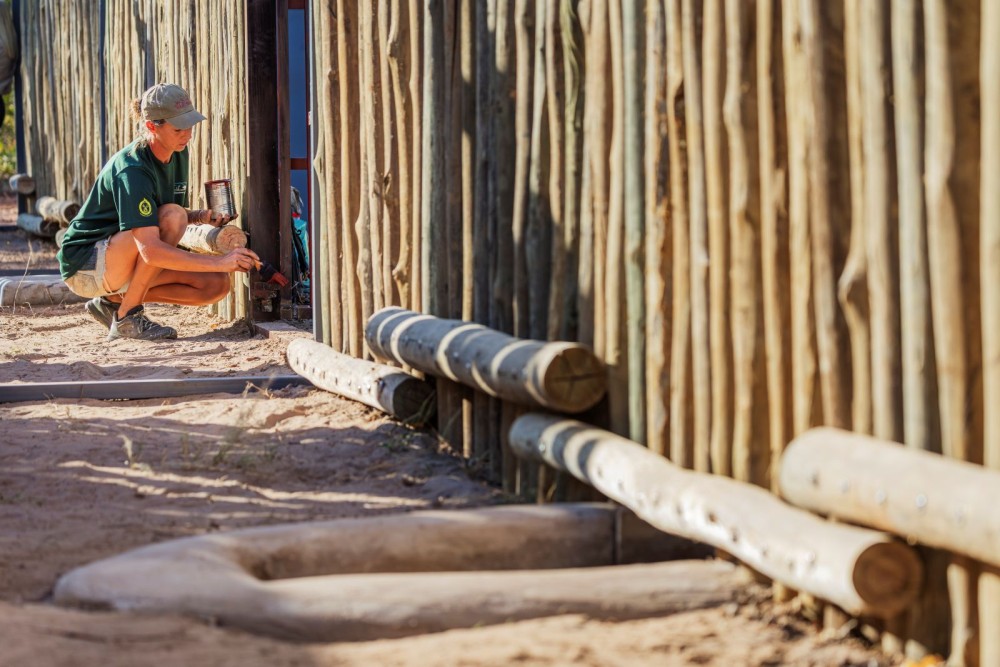
While black rhino populations were being safeguarded elsewhere in Zimbabwe, work continued in Matusadona. Over the years, significant effort has gone into strengthening the conditions needed to support their return.
Roads, bridges, communications systems, staff housing and law enforcement capacity have all been improved. Ranger numbers have increased from 27 to approximately 110, supported by an additional 24 Rural District Council scouts operating around the park's perimeter. Most have been recruited from communities surrounding the park.
At the same time, efforts have focused on building/bolstering relationships with neighbouring communities and restoring wildlife populations that had declined over previous decades, including species such as eland, sable and wild dog.
Alongside these efforts, ecological assessments confirmed that Matusadona remains exceptionally well suited to black rhino. The park contains extensive browse habitat, more than 70 perennial springs and year-round access to water. Historically, it supported some of the highest rhino densities in Zimbabwe.
Why the rhino could return now
 © Wiki West
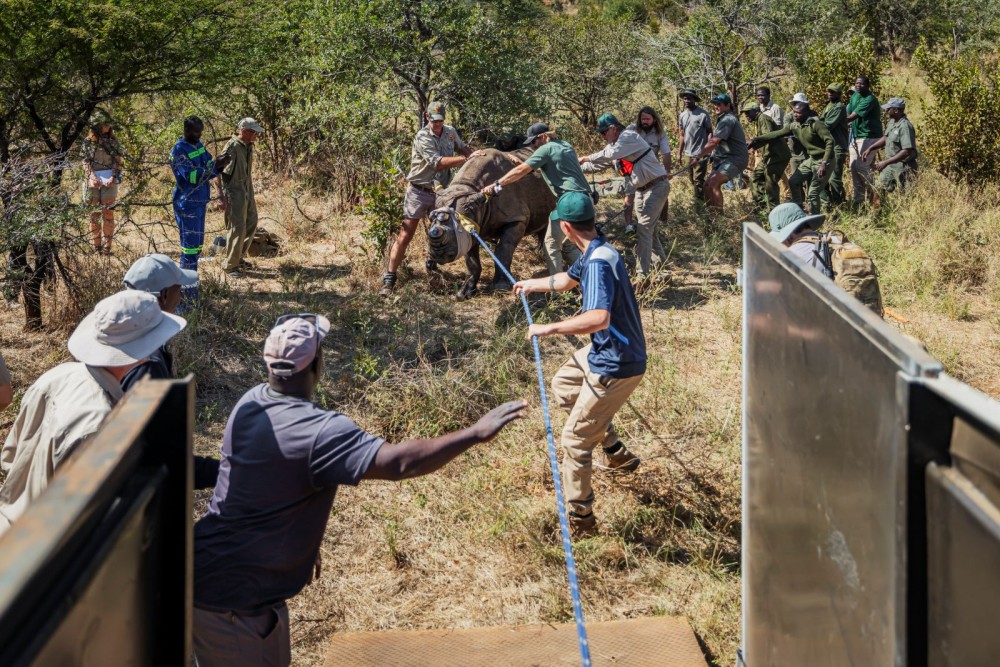
The return was made possible not only by the work undertaken in Matusadona, but also by decades of conservation efforts elsewhere in Zimbabwe.
Two of the source populations used for the reintroduction contain direct descendants of former Matusadona rhino. For Mike, that continuity is one of the most significant aspects of the project.
"There was tremendous foresight from Zimbabwe's parks authority during the poaching crisis to secure these animals and safeguard their genetics."
Alongside populations maintained on state land, private custodians also played a critical role.
"For 35 to 40 years, these animals have been safeguarded on private land. The people who cared for them invested enormous time, effort and resources to keep those populations secure and maintain these important bloodlines. That commitment deserves enormous recognition."
For Reilly Travers, Conservancy Manager of Imire Rhino and Wildlife Conservancy, one of the custodians contributing to the reintroduction effort, seeing the animals return to Matusadona was a powerful reminder of what long-term conservation partnerships can achieve.
"Today is not only about the rhino themselves, but about the extraordinary dedication shown over the past 25 years by rangers, conservationists, partners and local communities who helped safeguard these animals for their eventual return to their rightful home range."
The return of black rhino to Matusadona is therefore the result of decades of commitment by government, conservation organisations, private custodians, veterinarians, field staff and communities who helped maintain these populations until conditions allowed them to return.
What happens next (2026 onwards)
 © Wiki West
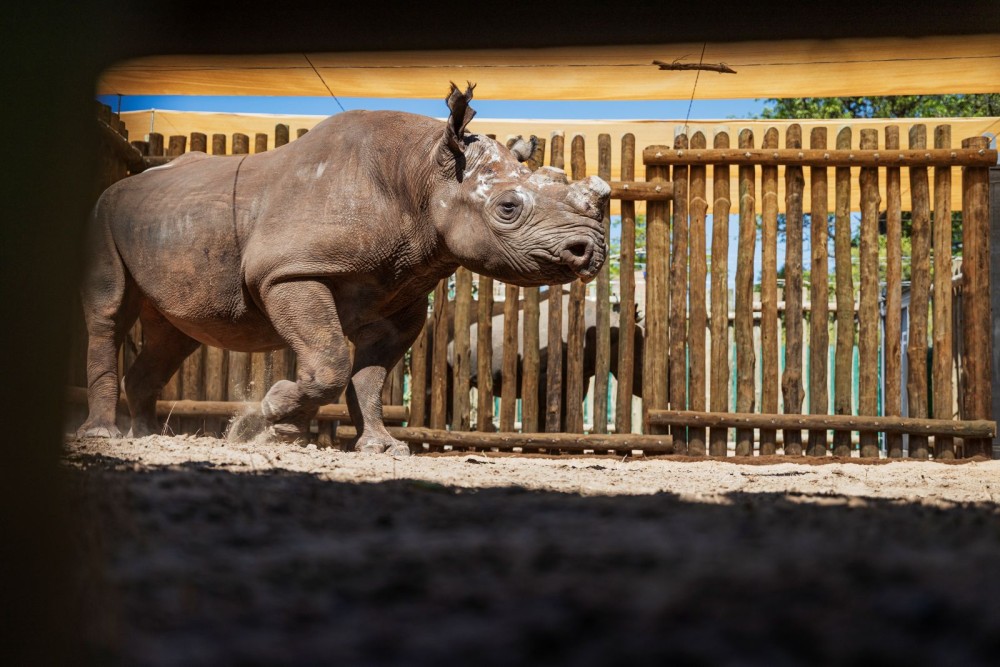
Ongoing efforts to safeguard the rhino are already in place. Each animal has been fitted with a tracking device, enabling real-time monitoring by dedicated field teams and K9 units, while continued engagement with neighbouring communities and schools will remain an important part of ensuring their long-term conservation.
The reintroduction also supports Zimbabwe's National Rhino Strategy by establishing a founder population that is expected to contribute to the country's broader black rhino metapopulation over time.
For Daniel Sithole, Country Manager of Matusadona Conservation Trust, the return reflects decades of commitment to safeguarding Zimbabwe's rhino heritage.
"This is not a project imported from elsewhere. These animals carry the genetics of this landscape. Their return belongs to Zimbabwe, and to every Zimbabwean who always planned and hoped for their return."
For many of those who have dedicated their lives to conservation in Zimbabwe, the return to Matusadona marks the culmination of decades of effort. Mike Pelham is one of them, and describes it simply: “This is completing the circle."
Nearly four decades after conservationists began moving them out of vulnerable landscapes to secure their future, black rhino are once again part of Matusadona National Park's landscape.
We gratefully acknowledge the Wyss Foundation, Stichting Natura Africae, the European Union, Thomas and Sara de Swardt, Global Wildlife Fund, Pangolin Crisis Fund, and the Elephant Crisis Fund, whose ongoing support for Matusadona has been instrumental in creating a safe, well-managed protected area for rhino to roam once more.
For more information on the return of the black rhino click here