Surveying the Savanna: Discoveries from BBJL Aerial Survey
The Great Nile Migration Landscape is one of the largest intact savannah floodplain ecosystems on Earth. It forms a vital part of the White Nile floodplain system which is essential for the health of this enormously important river system and its encompassing wetlands.
The aerial survey that took place was comprehensive, highlighting the scale of the migration, and helping inform strategic conservation efforts to ensure sustainability for both the wildlife and people who depend on the landscape.
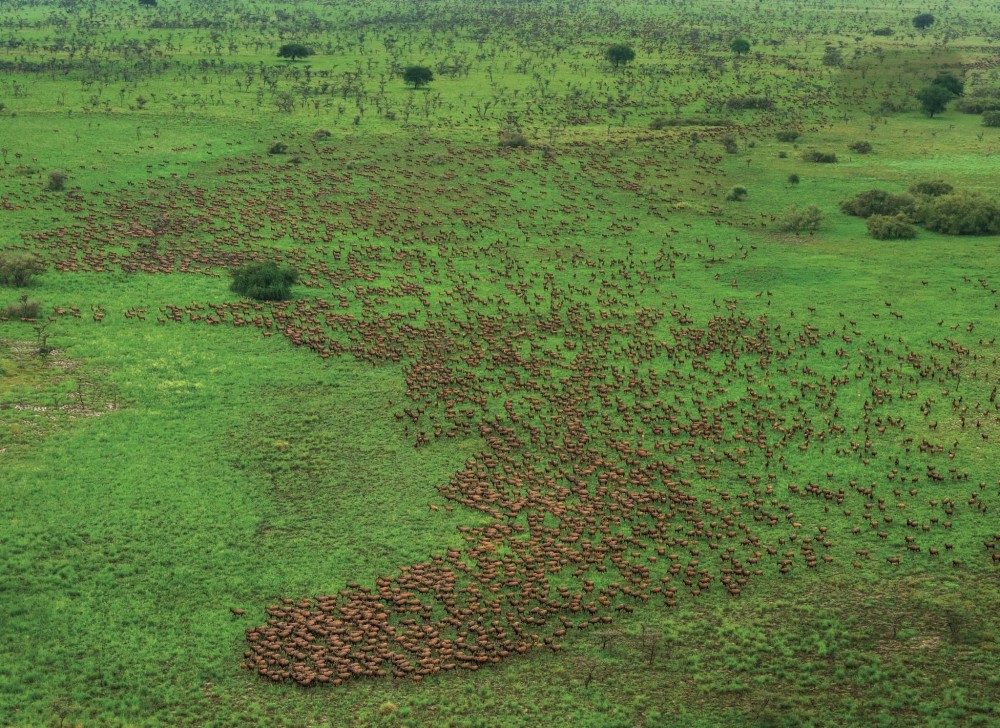
The survey revealed that the GNML is home to the largest population of migratory antelope on Earth, comprising significant numbers of white-eared kob, tiang, Mongalla gazelle, and Bohor reedbuck.
A comparison with surveys done in the 1980s shows that there have been declines in most sedentary species – such as elephant and giraffe – which need year-round access to water and which do not exhibit a migratory pattern, further highlighting the need for proper conservation of the landscape outside Boma and Badingilo national parks.
Community and Conservation
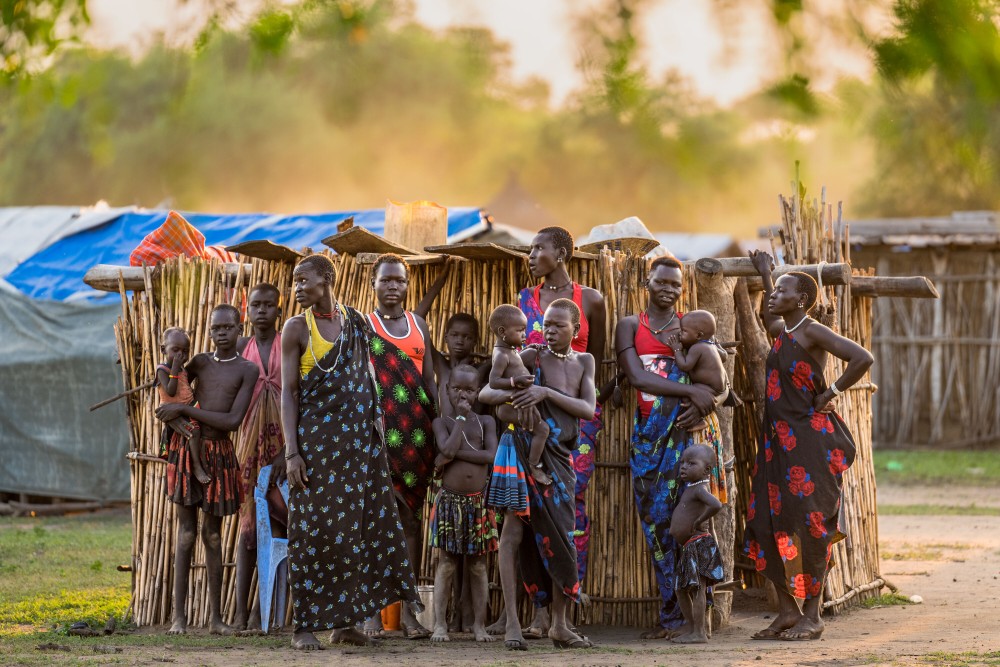
The success of wildlife conservation in South Sudan is deeply intertwined with the support of and engagement with local communities. Numerous ethnic groups hold territory[EI2.1] within the area, including the Dinka, Murle, Anyuak, Jie, Toposa, Nyangatom, Nuer, Mundari, Bari, Lokoya, Madi, Luluba, Lopit, and Boya. Each of these communities has deep cultural traditions, and livelihood activities that are firmly embedded and heavily reliant on wildlife and the vast landscapes they inhabit.
The commercialisation and illegal extraction of resources pose a significant threat to the sustainability of wildlife migration and the local communities that rely on the landscape for their livelihoods and cultural wellbeing.
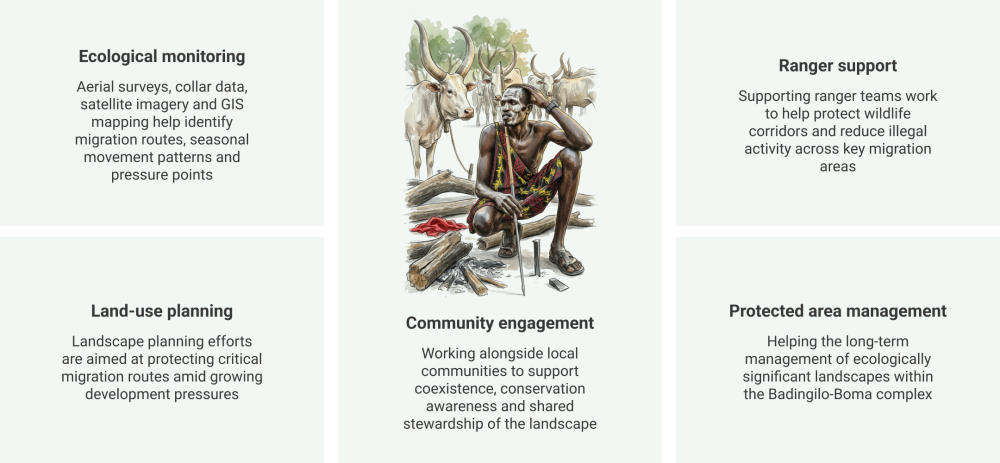
Community-focused initiatives are a cornerstone of our conservation efforts, ensuring that the guardianship of this migration and its supporting ecosystem provides ongoing sustainability for the livelihoods of local people. By engaging with the local communities, we can build partnerships for effective conservation that are mutually beneficial for the landscape as a whole and all who rely on it.
Some of the voices behind the migration
Denay Jock Chagor
South Sudan's minister of wildlife conservation
"People are proud when they learn that the largest land animal migration in the world is here. They want it protected."
Mike Fay
Landscape coordinator, African Parks
"I always tell people we're not trying to rewild this place. It's already wild. That's the opportunity here: manage before it's destroyed."
Inge van den Meiracker
Data collection manager, African Parks South Sudan
"Without protecting these corridors now, they could disappear entirely."
Oleyo Koko
Member of African Parks tango teams who work with communities to protect animals
"If we stop, there will be no one to explain why wildlife matters."
Akwai Agada Akwai Cham
24th monarch of the Anyuak Kingdom of Western Ethiopia and South Sudan
"In the best future, the kob will still be there. There will be peace, and tourism will come."
From the White Nile to Gambella
The migration journeys from the South Sudan savannah across the border into Gambella National Park, Ethiopia, crossing many diverse habitats and ecosystems including the White Nile, which is a lifeline for both wildlife and communities.
Witnessing the largest mammal migration on the planet is a powerful reminder of both the beauty and fragility of our natural world. Together with the Government of South Sudan and partners, African Parks is working to ensure the sustainability and survival of this migration for the benefit of many generations to come.
Understanding the BBJL Aerial Survey
This historical aerial survey brings us a step closer to ensuring greater protection of this entire ecosystem for the benefit of the people who rely on it, as well as the long-term survival of the wildlife within it.
During the survey, a 122,774 km2 contiguous survey block was flown, covering the presently known range of the four main migratory antelope in the BBJL, including areas to the north east of Akobo, previously never surveyed and which showed huge numbers of white-eared kob. Combined with data from 251 tracking collars on animals of various species, these findings provide in-depth insight into the region's ecological dynamics for effective conservation management strategies.
The estimates indicate that the BBJL contains the largest population of migratory antelope on Earth, including white-eared kob, tiang, Mongalla gazelle, and Bohor reedbuck. Altogether, these four species total approximately six million (5,896,373 ± 909,495) individual antelope.
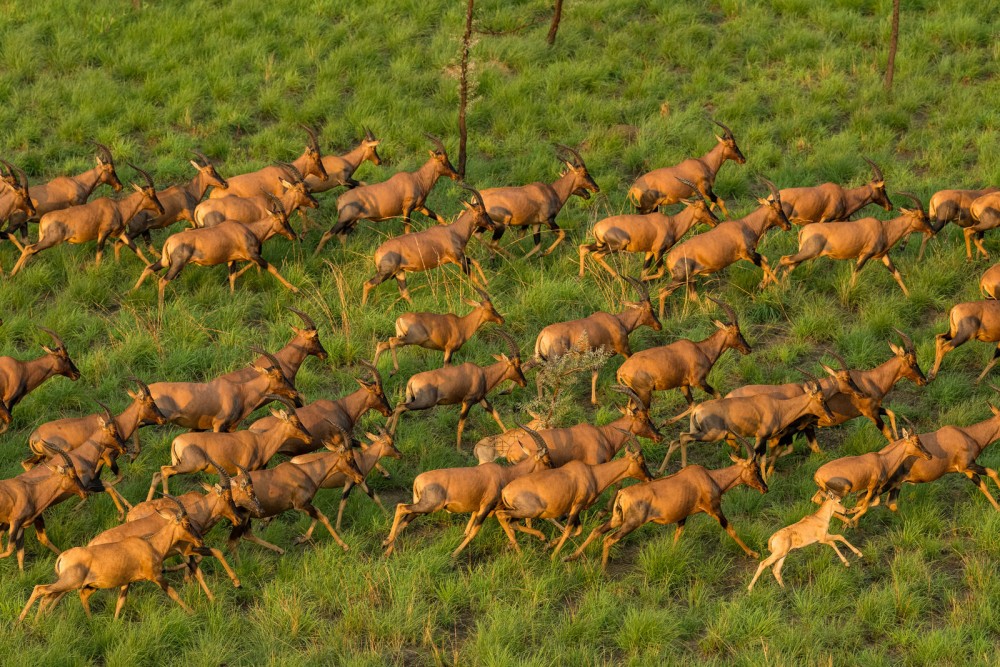
The results have been peer-reviewed by Dr Kevin Dunham to validate the findings. During the survey, which ran from 28th of April to 15th of May 2023, two cameras were fixed to two aircraft and programmed to take a photograph every two seconds, in addition to a team of observers in the aircraft. This resulted in more than 330,000 images produced. Using special software, a team of five University of Juba graduates counted the animals in 64 transects with a total of 59,718 photos annotated.
The aerial survey is not just about counting animals. It is a comprehensive assessment of wildlife, livestock, and human activity, to provide a clear picture of the health of the local ecosystem. The data collected during the survey will be instrumental in developing strategic plans for wildlife management, protected area development, and natural resource stewardship across the area.
This survey was undertaken through a collaboration between the Government of South Sudan, the South Sudanese Ministry of Wildlife Conservation and Tourism and African Parks with support from The Wilderness Project. Our donors include Elephant Crisis Fund (ECF), Fondation Segré, Hempel Foundation, Rainforest Trust, Wildlife Conservation Network's Lion Recovery Fund (LRF), the Wyss Foundation, Holdfast Collective, and the European Union, which have sustained management operations and infrastructure of Boma and Badingilo national parks thus far.
A collaborative effort across the landscape
Be the first to see impact in action
Join our community and stay connected on the latest news and stories.