17 July 2025
Majete Wildlife Reserve has become a model for conservation success – where nature's integrity is now measured and monetised to enable funding through Verifiable Nature Units (VNUs). This innovative model links ecological integrity to sustainable financing, helping both people and nature.
When nature thrives, so do people. Africa, home to nearly a quarter of the planet’s biodiversity and 20% of its forests, is critical to global ecological health. With almost a fifth of the world’s population relying on its natural systems, conserving Africa’s ecosystems is vital to socio-economic growth and human wellbeing.
When effectively managed and conserved, this natural capital drives sustainable economic development, supports millions of livelihoods, and builds resilience against the effects of climate change. But how do we measure success in conservation? And how do we ensure that the value of nature is recognised, protected, and rewarded?
Introducing Verifiable Nature Units
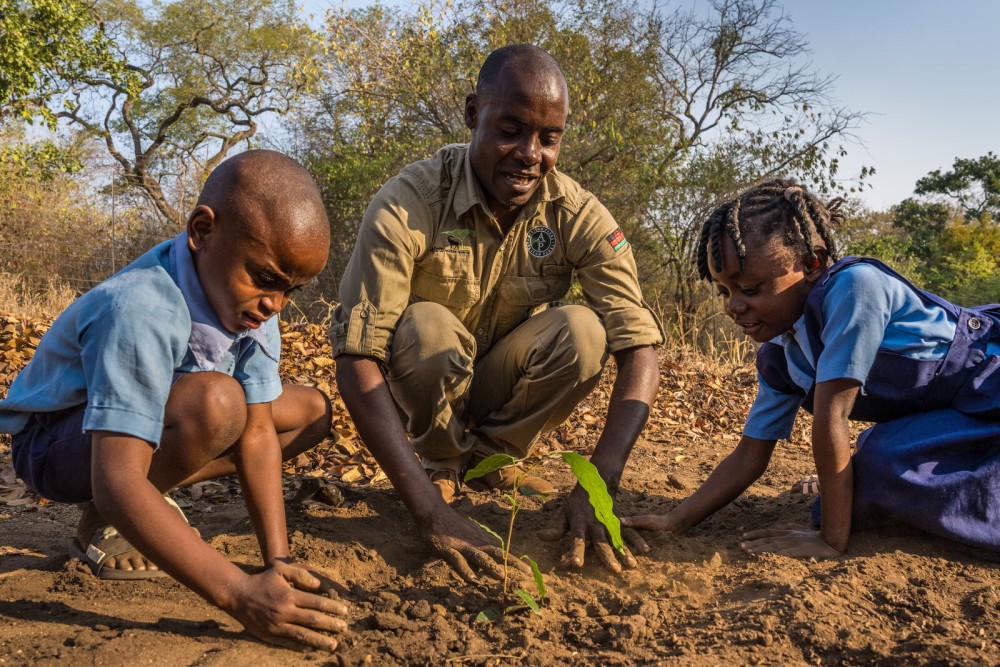
In 2024, African Parks, with support from The Landbanking Group, proposed an answer to this question by launching Verifiable Nature Units (VNUs), a pioneering approach for financing conservation outcomes. First piloted in Malawi’s Majete Wildlife Reserve, VNUs offer a new way to measure and value nature’s integrity, while creating a funding vessel to conserve it. Broader than biodiversity credits, VNUs offer a consistent way to measure nature outcomes that can support various funding tools, such as pay-for-performance grants, nature bonds, nature credits, nature equity assets and national payments for ecosystem services. Each VNU represents one square kilometre of nature that is either maintained in its current state or improved from one year to the next, enabling outcomes-based transactions that reward land stewards for conservation and restoration efforts.
VNUs measure ecological integrity, assessing how well nature is conserved or restored annually. Ecological integrity is assessed through two key indicators: habitat intactness and indicator species. Habitat intactness is influenced, amongst others, by settlement expansion, deforestation for fuelwood and charcoal, and agricultural conversion. Indicator species assessments track changes in the presence and abundance of selected key species over time.
Majete as Proof of Concept
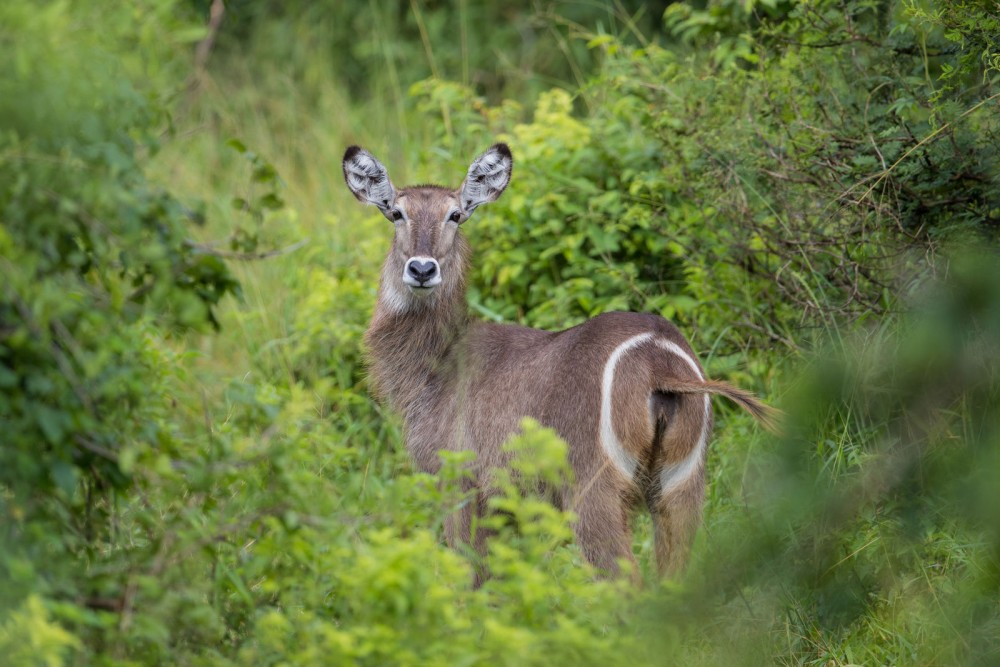
Over 20 years of effective conservation management has made Majete an ideal proof of concept for the innovative outcomes-based VNU financing mechanism
Majete Wildlife Reserve has undergone a remarkable transformation over the past two decades since African Parks signed a partnership agreement in 2003 with the Government of Malawi to manage and restore the reserve. In this time, almost 3,000 animals from 17 species have been reintroduced, bringing large mammal numbers to over 12,000. Wildlife population growth has been so successful that it now supplies animals to help restore other parks in Malawi. Infrastructure improvements include over 350 km of roads and a state-of-the-art communication system to support conservation law enforcement. Today, more than 60 locally employed rangers and wildlife monitors work to continue conserving Majete’s biodiversity.
Collaboration with local communities has played a major role in ensuring Majete’s success as an effectively managed protected area. Community-Based Organisations (CBOs) act as bridges between park management and local people, ensuring inclusive decision-making around the reserve’s management to ensure that local communities see the benefits of conservation. Environmental education programmes facilitate approximately 2,000 children to visit the reserve annually, growing awareness around biodiversity conservation; and local livelihoods are supported through initiatives such as fish farming and beekeeping, benefitting thousands of community members.
Building on 20 years of these conservation efforts, Majete serves today as an ideal proof of concept for the innovative outcomes-based VNU financing mechanism.
By the end of 2024, the first transactions were concluded for Majete Wildlife Reserve with a total of 239 VNUs being issued to date to partner organisations supporting sustainability through conservation. This is significant progress in the development of VNUs as an effective financing tool for nature.
The Urgency of Broader Action
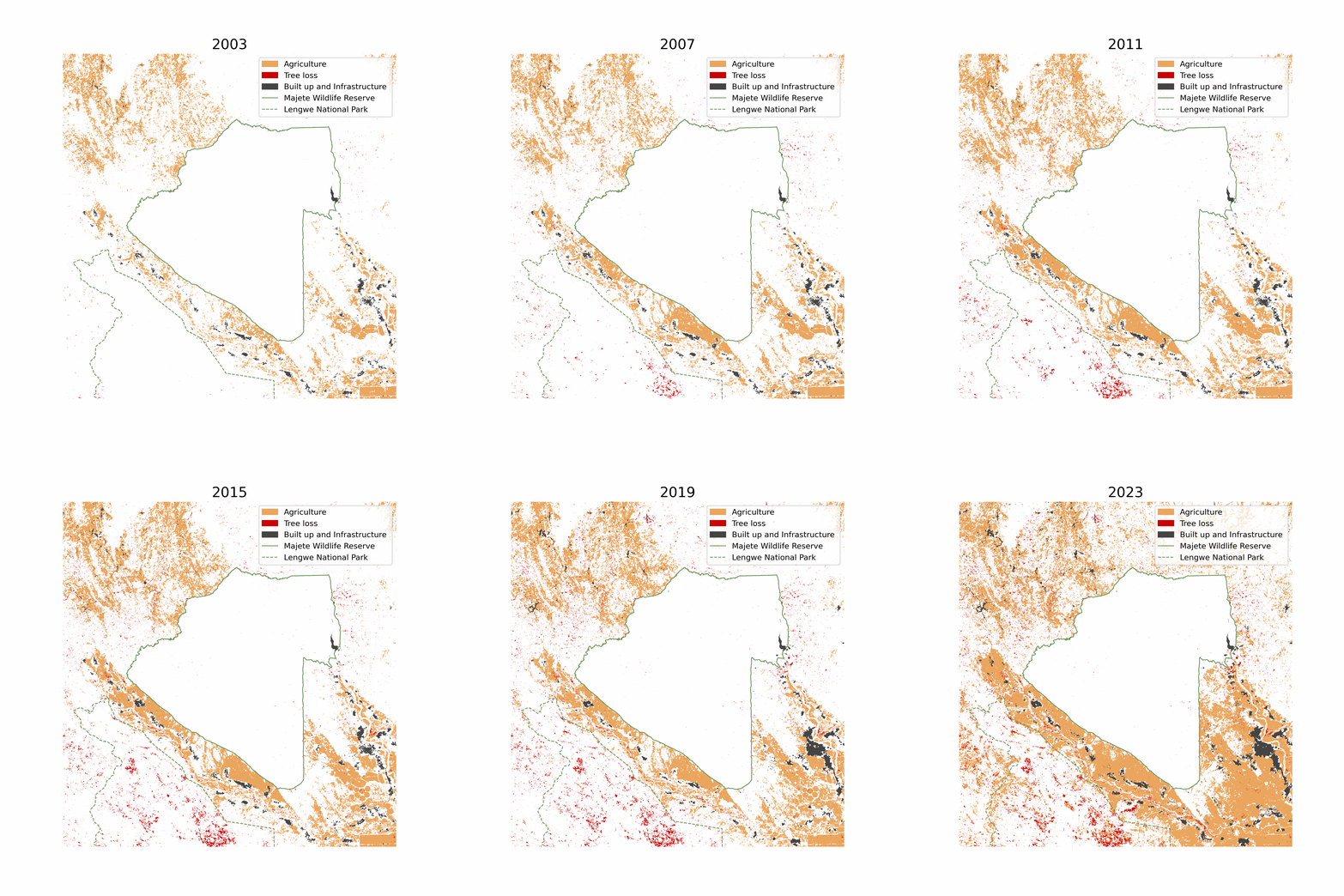
While Majete has been maintained as an almost intact habitat, the surrounding landscape tells a different story. Over the past 20 years, agricultural expansion and deforestation outside the reserve have increased dramatically. In 2023, significant tree loss and agricultural encroachment was detected within Lengwe National Park, south of Majete, not only degrading wildlife habitat, but putting pressure on vital ecosystem services also essential to local people. This highlights the pressing need for scalable management solutions to restore and conserve landscapes before they are lost forever.
Majete’s story shows that with effective management in partnership with governments and communities, nature can flourish while also benefitting people. By scaling innovative approaches like VNUs, African Parks is providing a method that balances ecological health and human livelihoods which is vital if all life in Africa is to be sustained.
To learn more about the impact African Parks has in Majete, click here to see our Annual Report