The Decade to Make a Difference

Annual Report 2024

A TIME FOR ACTION

Conserving Africa’s natural resources and ecosystems is not just the right thing to do, but necessary for socio-economic growth and humanity’s wellbeing. When effectively managed and conserved, this natural capital can drive sustainable economic development, create jobs, and build resilience against the effects of climate change.

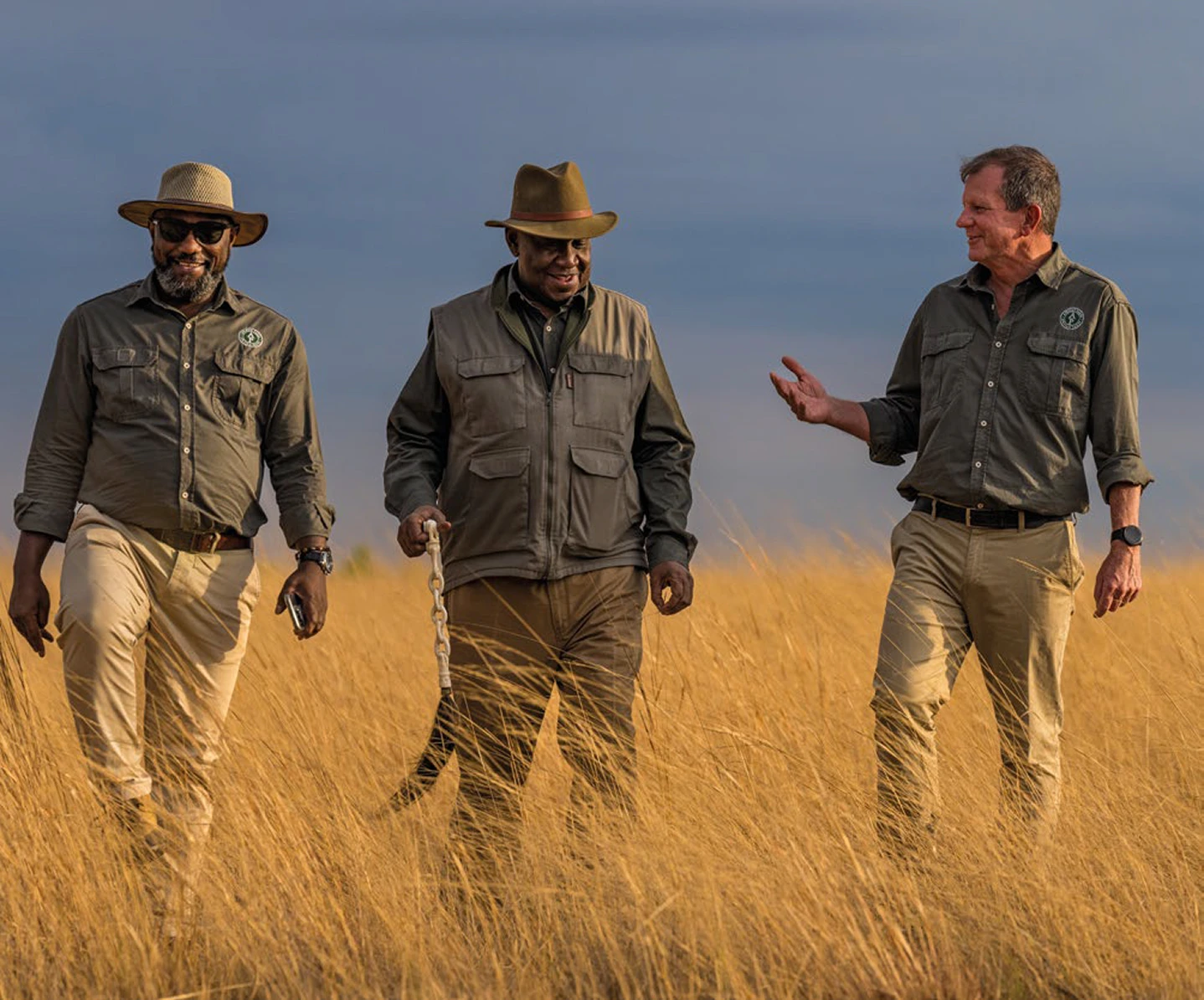
VASANT (VAS) NARASIMHAN

Chairperson of the Board of African Parks Network

BUILDING FOR THE FUTURE

Together, we are enabling investment into real change and at scale – one of the most powerful actions we can take for the future of our continent and our planet. Nowhere is this more important than in how we engage with the people living in and around the areas where we work.

PETER FEARNHEAD

African Parks CEO

Impact by Numbers

African Parks provides effective park management to ensure lasting positive impacts through long-term management partnerships with governments and communities to help conserve vital ecosystem services, improve socio-economic benefits, and establish security and governance. Here we look at our impact and where we have increased our ability over the long term to safeguard biodiversity for the benefit of both people and wildlife.

83%

of key species have
stabilised or increased

90%

drop in
elephant poaching 

11B

tonnes of CO2 stored in
African Parks-managed protected areas

2K

scholarships and vocational
training provided

99K

people supported
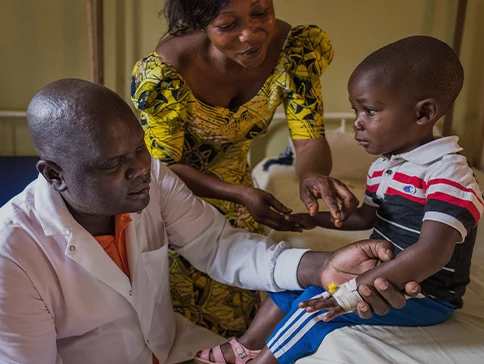
with healthcare

500K

community members reached through
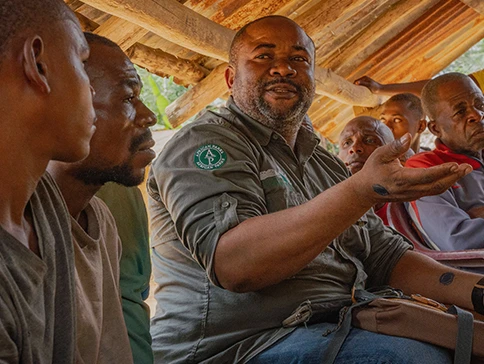
community meetings and events

27K+

beneficiaries of community
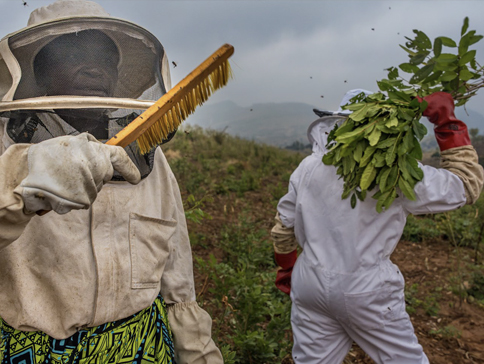
socio-economic projects

5,896

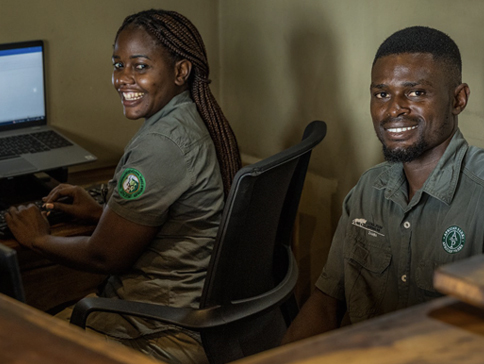
full-time employees
97% of park staff are nationals

636K

tourist visitors over the past 5 years
65% of which are locals

Overview of Executive Summary

Key Achievements

In 2024, African Parks celebrated landmark achievements, including confirming the world’s largest land mammal migration in South Sudan, alongside the President of the Republic of South Sudan who announced the results. A new 10-year partnership was signed for Ethiopia’s Gambella National Park with the Ethiopian Wildlife Conservation Authority (EWCA) and the President of the Gambella Peoples’ National Regional State (the Gambella State). And in Liuwa Plain National Park we celebrated 20 years of partnership between the Zambian Government, the Barotse Royal Establishment and African Parks.

Challenges

In 2023, African Parks commissioned an independent investigation into alleged abuses by seconded eco-guards against local communities near Odzala-Kokoua National Park, Republic of Congo; the investigation continued through 2024. During the course of the year, safeguards were strengthened, an ethno-anthropologist was appointed and an Indigenous Peoples Plan developed. Communication channels and grievance redress mechanisms were worked on and improved across the African Parks portfolio, while efforts to mitigate human-wildlife conflict across the parks continued, including implementation of local park policies and standardising the approach to incident monitoring.

Innovative Conservation Initiatives

In 2024, 376 rhino were translocated under the Rhino Rewild initiative, the majority to locations within South Africa and 153 are awaiting their move to Garamba and Akagera national parks. Improved and more effective management has boosted the rhino population growth at the facility. A pioneering biodiversity conservation project using environmental DNA was launched across five parks, with over 8,000 samples collected by 160 trained staff. Supported by top universities, the initiative will provide vital insights into ecosystem health and guide future conservation efforts.

Community Development and Impact

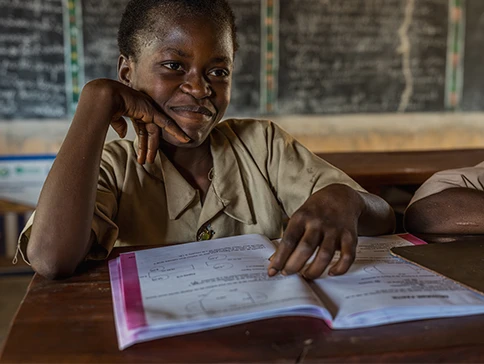
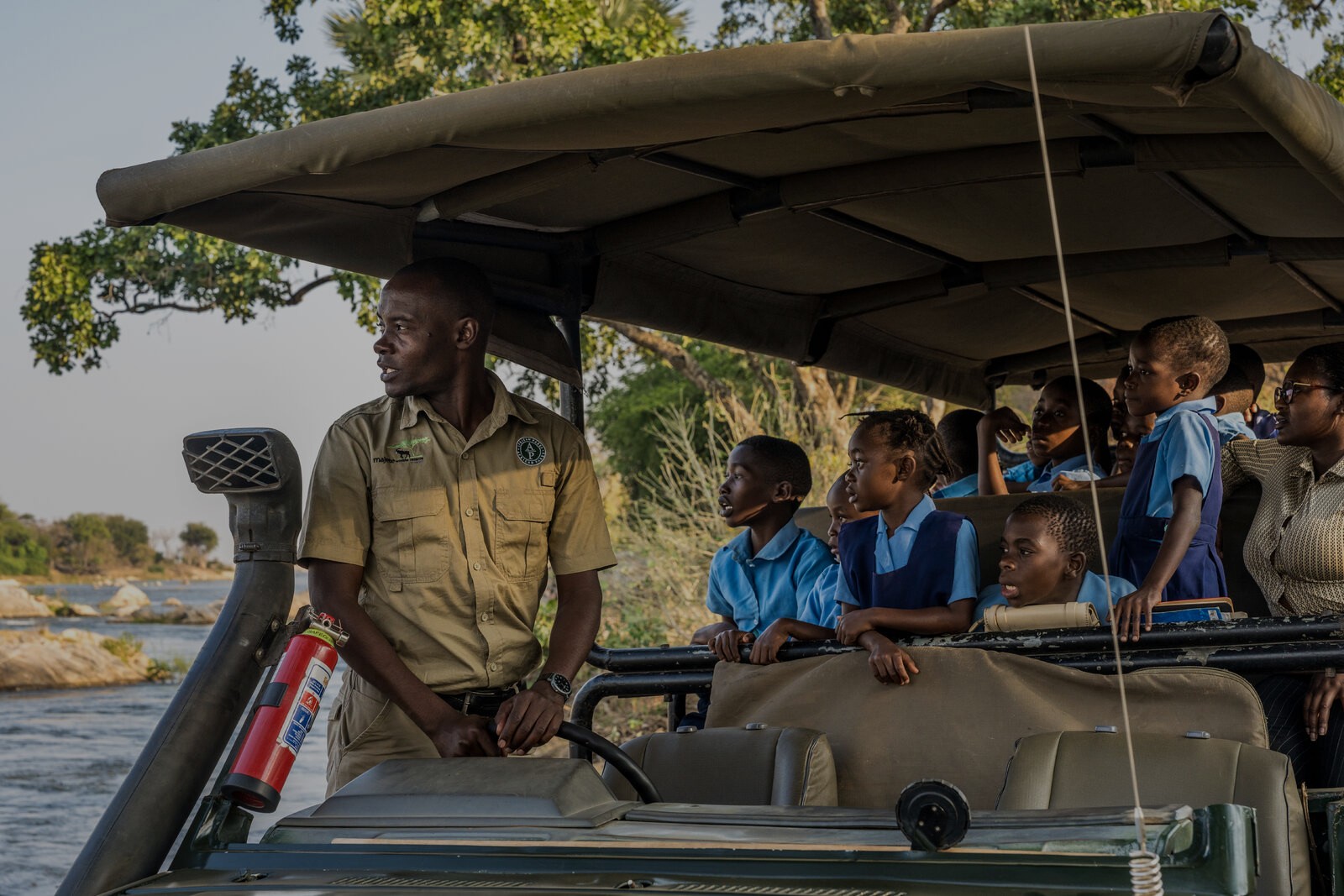
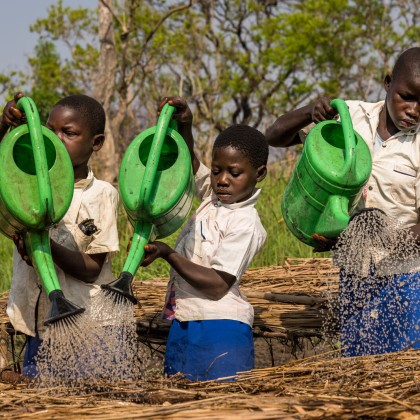
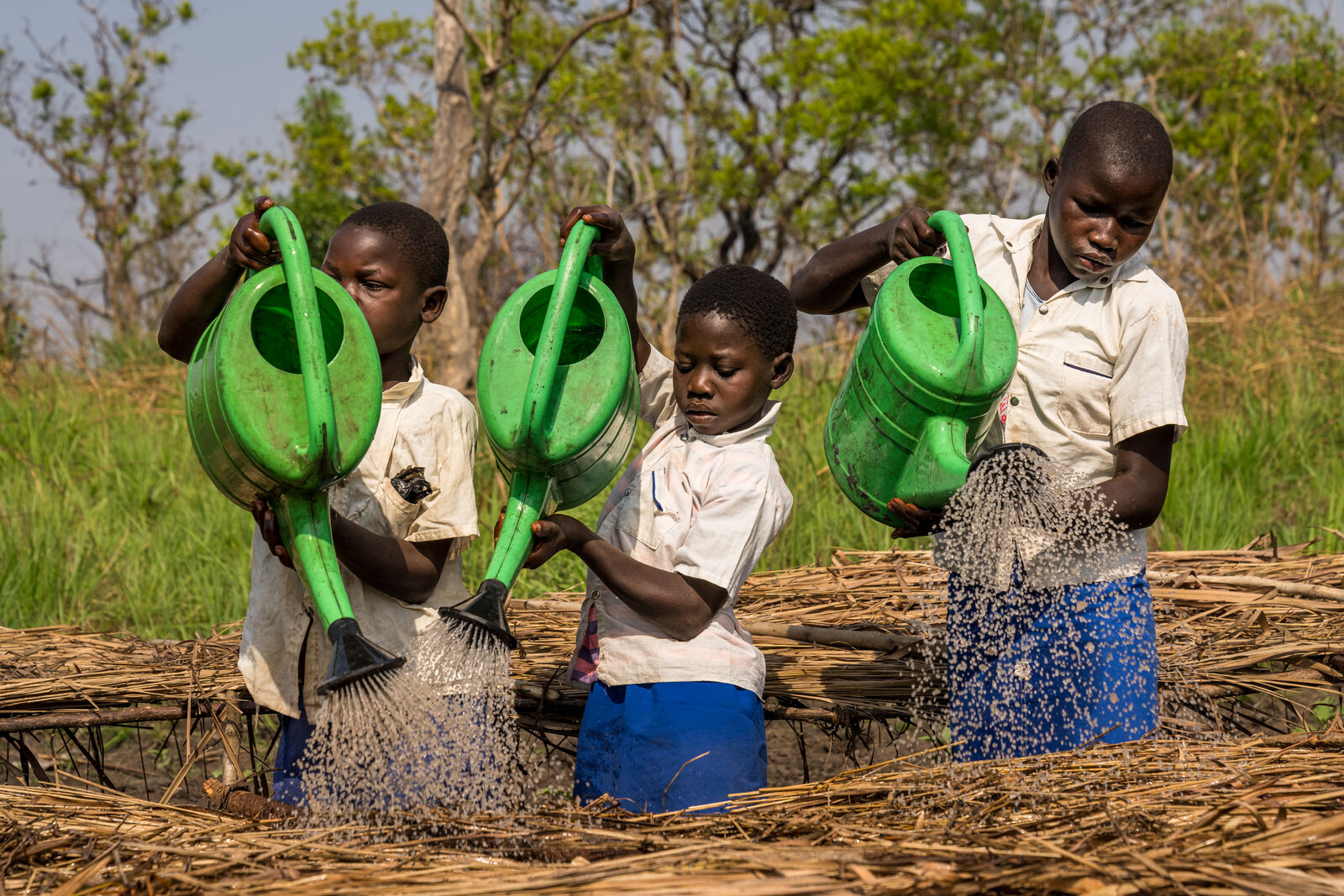
Over 34,000 people were reached through environmental education, wildlife clubs, and park visits during 2024, nurturing a future constituency for conservation. More than 250 schools were supported, and scholarships and vocational training courses were provided. Park-supported socio-economic initiatives benefitted some 27,000 community members, generating US$4.9 million for communities, with over US$102 million spent on local procurement. Drought relief programmes provided daily meals to over 5,000 children. 

Park Revenue Generation

Park revenue improved, with 230,000 park visitors (65% of which comprised host-country nationals) and park revenue rising by 13% to over US$14 million. Growth in tourism revenue – driven by improved and diversified products, marketing, and digital presence – is helping to drive sustainability, generate vital income for the parks, create jobs, and support local economies and livelihoods.

Related Stories

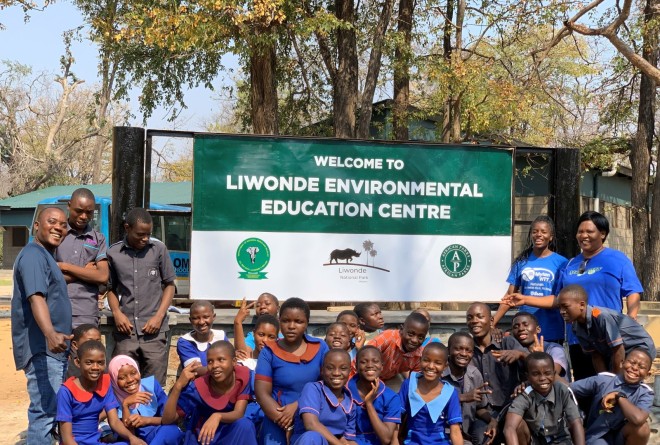
  • Liwonde’s Beacon of Education
    Blog | 26 March 2025

    Liwonde National Park’s Environmental Education Centre is more than a renovation, it’s a knowledge and love of nature that is lived and shared


  • Unearthing Ennedi’s Cultural Heritage
    Blog | 24 February 2025

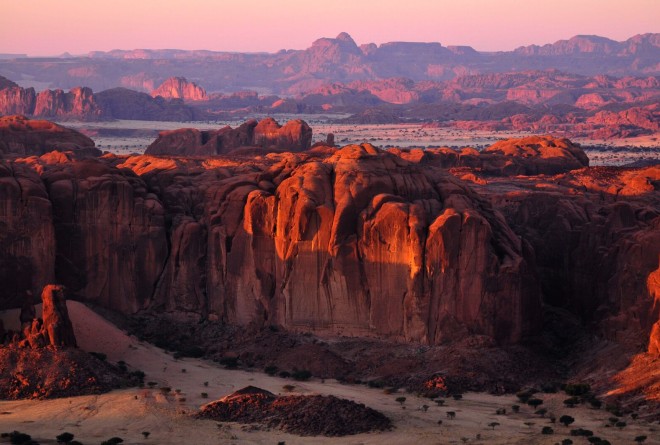
    Ennedi Natural and Cultural Reserve (ENCR) in north-eastern Chad contains a remarkable archaeological heritage in addition to its many desert-adapted species of wildlife. Ancient records...
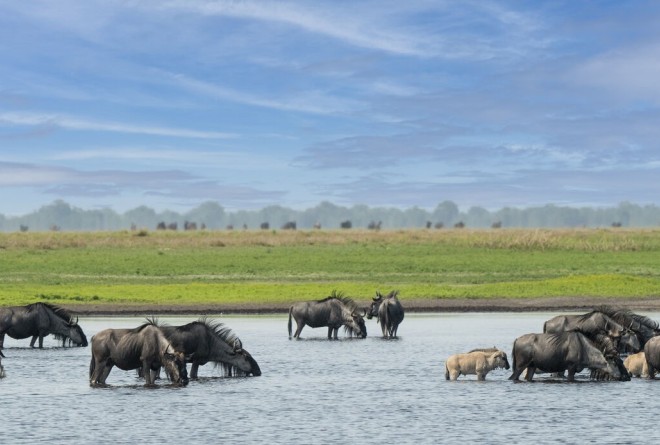
  • Liuwa Plain – a shared landscape
    Blog | 08 November 2024

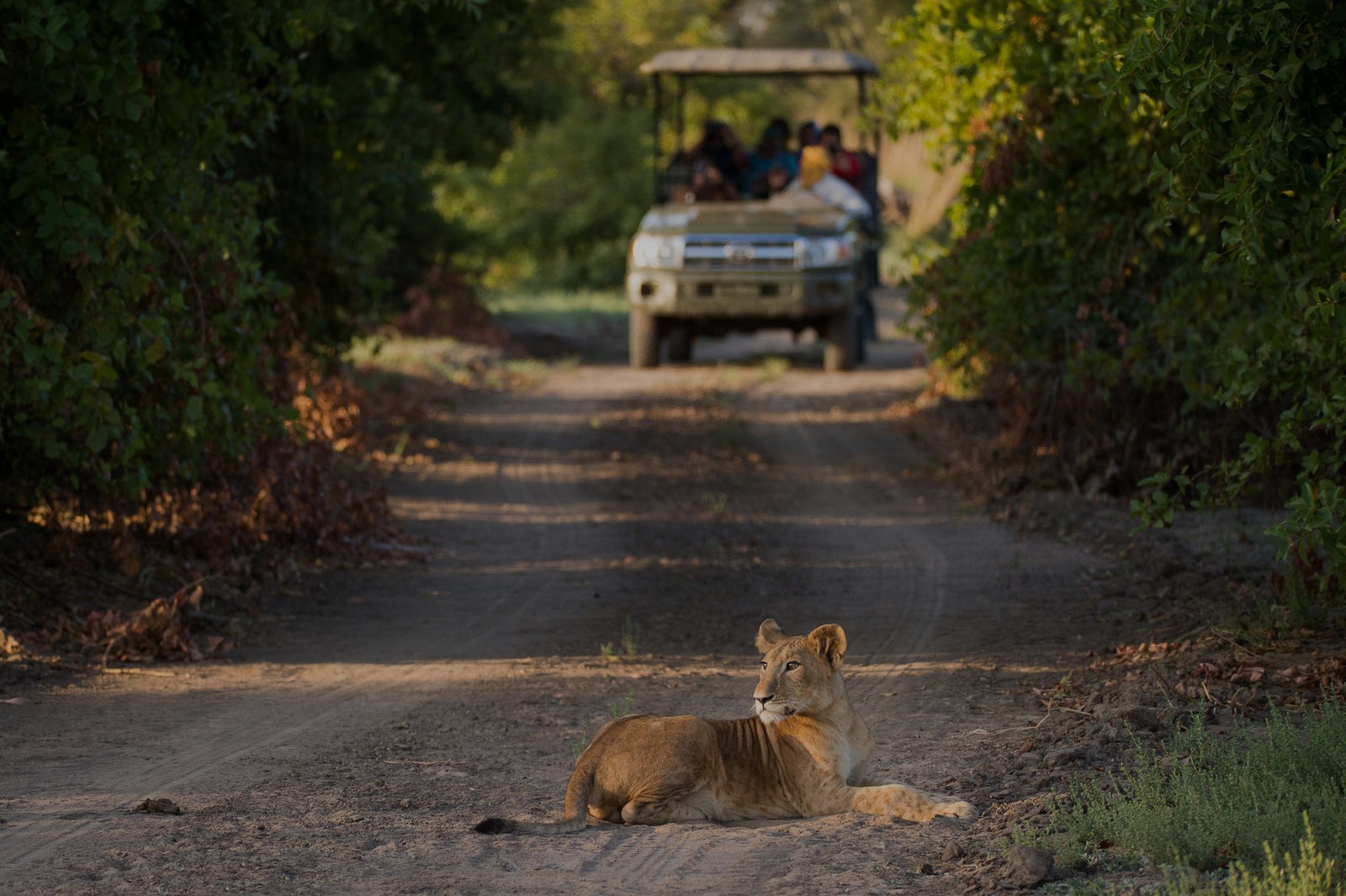
    For centuries, the Lozi people in Zambia have coexisted with wildlife in Liuwa Plain. Over the past 20 years, a partnership between the Barotse Royal...

Be the first to see impact in action

Join our community and stay connected on the latest news and stories.

×