One year ago today, the first rhino stepped out of captivity and into a new chapter — one rooted in the hope of re-establishing wild populations across Africa. Since then, African Parks’ Rhino Rewild initiative has made meaningful early progress. In its first year, over 300 rhino have been translocated — laying the foundation for one of the most ambitious rewilding efforts ever undertaken. Encouragingly, 33 calves have already been born — early signs that some of these populations are beginning to adapt to their new environments.
On 16 May 2024, 40 southern white rhino left a former breeding project — a milestone that marked the start of this long-term endeavour. One year on, we reflect not only on what has been achieved, but on the road ahead — and the continued commitment it will take to help secure a future for this species across the continent.
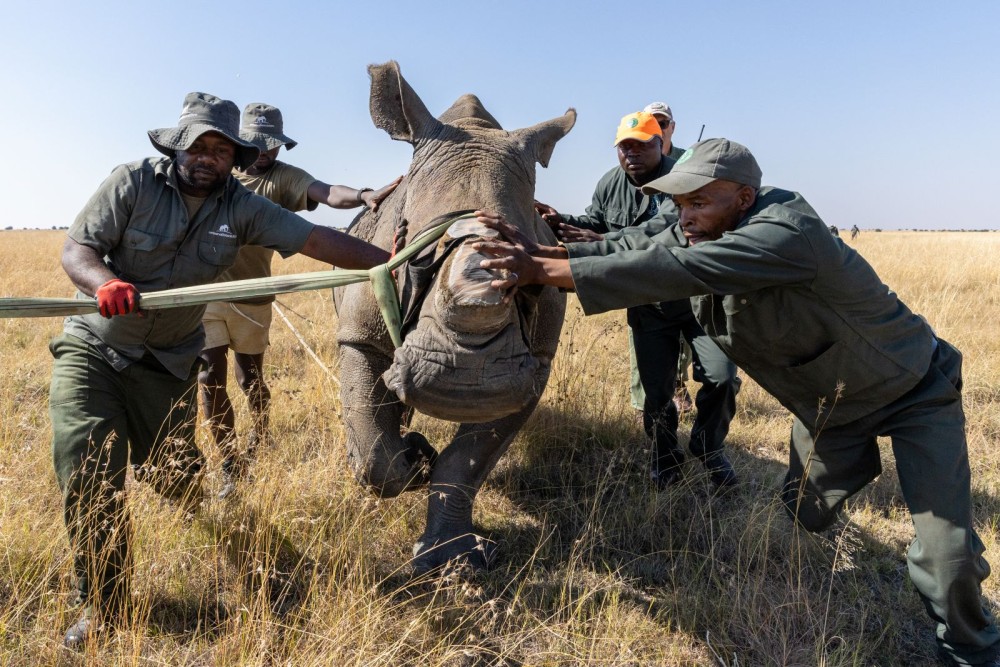
Eight months earlier, before the first rhino left for new pastures, African Parks had taken a bold and urgent step: the purchase of the world’s largest captive rhino breeding project, home to 2,000 southern white rhino. Our intention was clear – to rewild these animals over the next decade to well-managed, protected areas across Africa.
The task was immense. In the months that followed, our focus was on stabilising operations – aligning systems with African Parks’ standards, improving infrastructure, and laying the foundation for a long-term conservation vision. While we’re still in the early phases and securing adequate resources remains essential, the progress made in just one year is a testament to what is possible with bold ambition and collaborative action.
From Promise to Progress
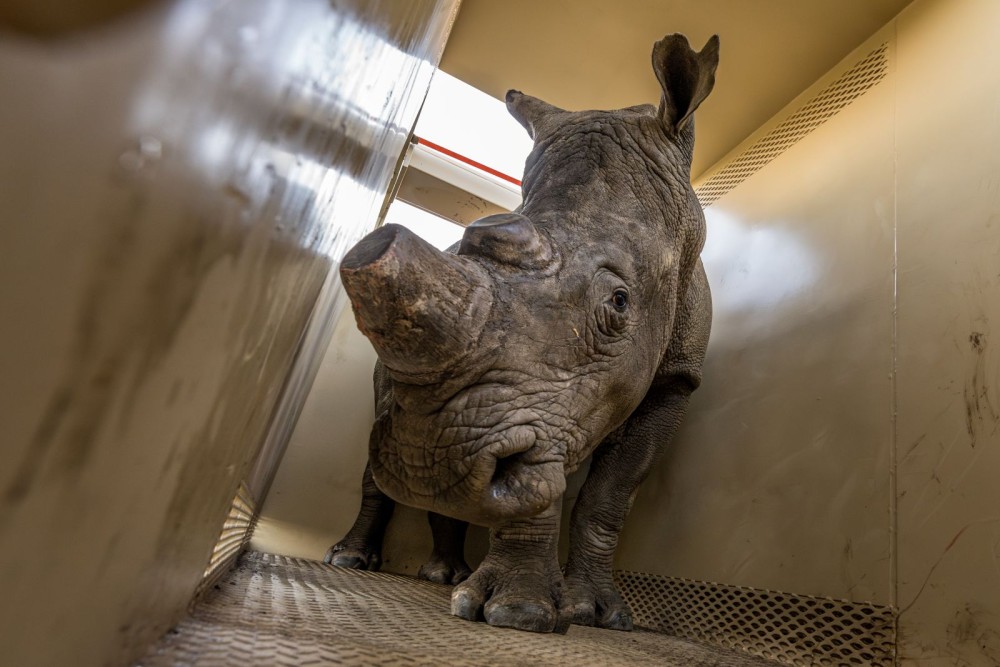
A total of 376 rhino were moved from the Rhino Rewild project site in 2024. Of these, 216 rhino were successfully rewilded to six protected areas across South Africa, while 160 were placed in a staging reserve, where they are building immunity to parasitic diseases ahead of their release into protected areas across the continent.
Of the six South African destinations, one site reintroduced rhino after a period of local extinction, while the others bolstered existing populations to enhance genetic diversity and long-term viability. Collectively, these moves contribute to strengthening tourism – a key economic driver for local communities.
These sites include the Munywana Conservancy in KwaZulu-Natal – a collaboration of community and private landowners that include the Makhasa Community Trust, the Mnqobokazi Community Trust and &Beyond Phinda and ZUKA Private Game Reserves; the member reserves of the Greater Kruger Environmental Protection Foundation (GKEPF) in Mpumalanga and Limpopo, which received 120 rhino to reinforce an existing, well-protected population; and Dinokeng Game Reserve in Gauteng, a 19,000-hectare conservation area managed through a unique partnership of 180 landowners and the Gauteng Provincial Government.
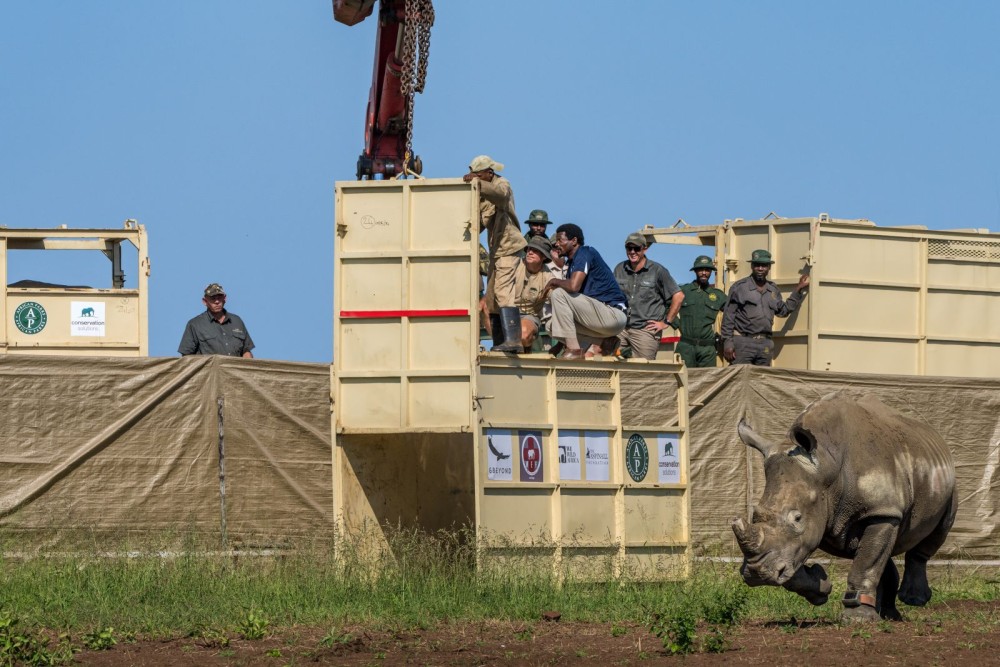
In the final quarter of 2024, additional rhino were moved to three more carefully selected private reserves. Each site underwent rigorous assessment to ensure it was “rhino ready”, offering the habitat, protection, and long-term conservation commitment needed for these animals to thrive.
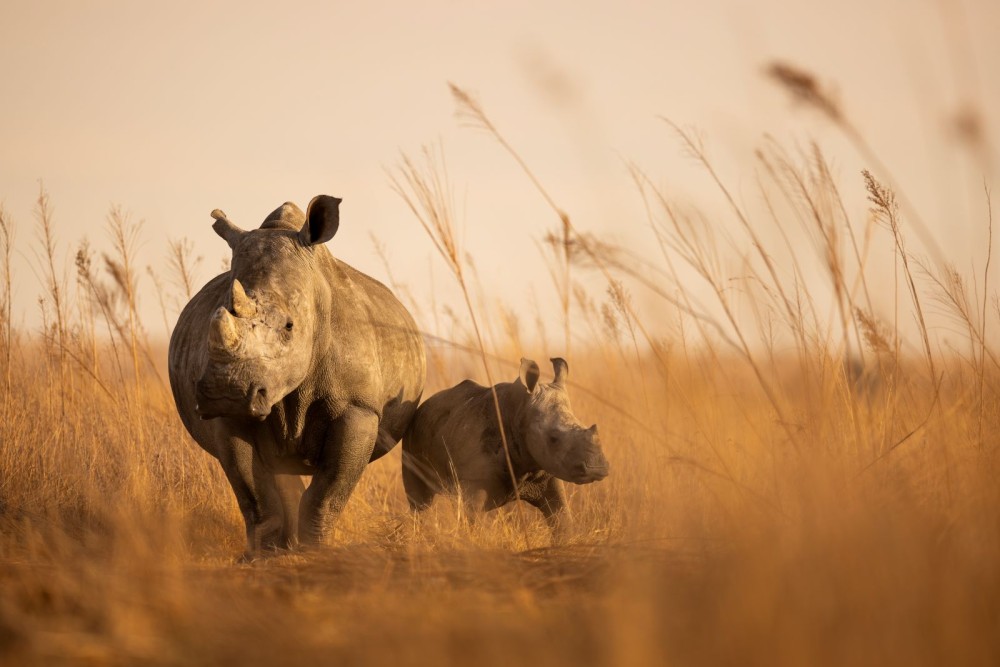
Most significantly, 33 calves have already been born in the wild, proving that these populations are not just surviving – but beginning to thrive.
Momentum Builds
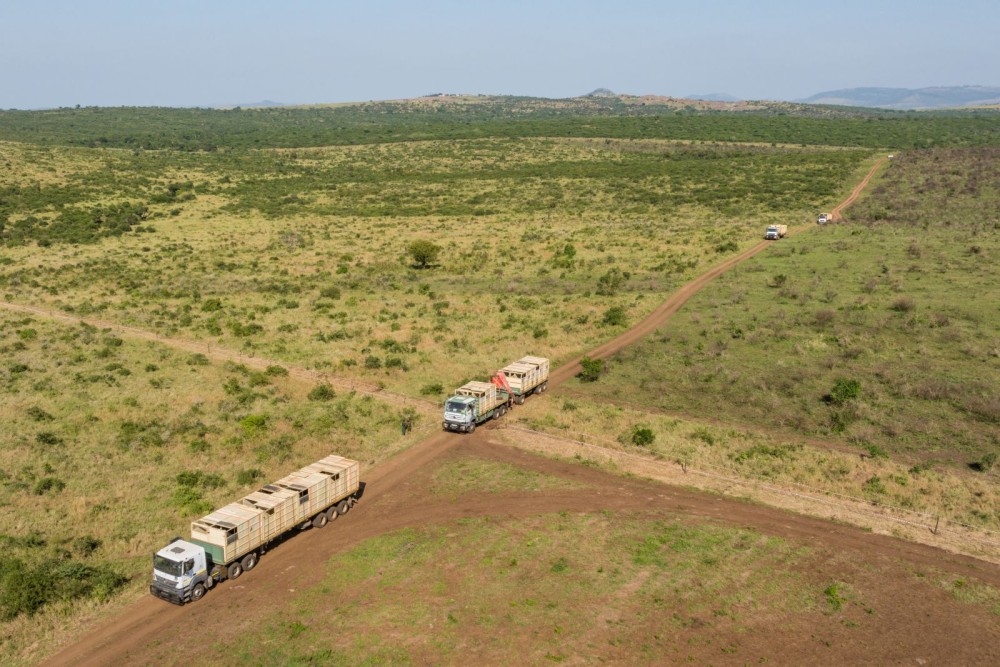
Rhino Rewild now enters an exciting new phase. In the next few weeks, we will be expanding beyond South Africa’s borders and translocating large batches of rhino across Africa. These moves will signal a turning point – not just in the number of rhino being rewilded, but in the continental scope and strategic vision of the initiative.
We’re actively exploring rewilding opportunities in other strongholds closer to home, including Namibia and Zimbabwe, and promising areas in Zambia and Mozambique. We’re also looking at key sites in East and Central Africa. These upcoming translocations will pave the way for new conservation frontiers.
A Vision for the Continent
African Parks aims to translocate approximately 300 rhino per year, working with recipient governments and conservation partners to determine suitable, secure sites. While some of these locations will be in African Parks-managed landscapes, others will be areas managed by communities, NGOs, and conservation authorities across the continent. Due to the ongoing threat of poaching, not all release locations will be made public.
Rewilding 2,000 rhino is a monumental undertaking. It requires time, strong partnerships, expert coordination, significant funding – and, of course, well-managed functional ecosystems. And with every rhino that takes its first steps into a new home, we move closer to a future where wild populations are not only sustained – but expanding.
15 May 2025