At the close of 2025, Gambella National Park marked its first full year under a new partnership between African Parks, the Ethiopian Wildlife Conservation Authority (EWCA) and Gambella Peoples’ National Regional State (GPNRS). One year on, we reflect on what it takes to begin managing a landscape of this scale – the realities on the ground, the progress already underway, and the opportunities that lie ahead.
2025 and the Year of Learning
Building a shared understanding of both people and place is central to ensuring the best conservation outcomes and approach from the park management team. In Gambella, that began with an Environmental and Social Due Diligence (ESDD) study – a process designed to understand the risks, gaps and opportunities, drawing on Ethiopian legislation and international safeguard standards, including the World Bank’s Environmental and Social Framework, IFC Performance Standards, and IUCN requirements.
As part of the study, the ESDD engaged 265 people across 21 villages, combining community voices with historical and operational analysis.
The assessment confirmed the extraordinary ecological value of Gambella: a landscape of global biodiversity importance and a key component of the transboundary migration system shared with Boma and Badingilo in South Sudan. It also identified strengths that can support inclusive conservation, including community willingness to engage and the park’s early integration of environmental and social safeguards into decision‑making.
In response, an Environmental and Social Action Plan (ESAP) was developed – a framework to establish how the park is managed, how risks are addressed, and how engagement with communities is approached in a way that is respectful, inclusive and mutually beneficial.
Through this plan, practical steps are now being implemented to strengthen monitoring, support informed decision-making, and build the foundations for long-term, sustainable management of Gambella.
Community Development
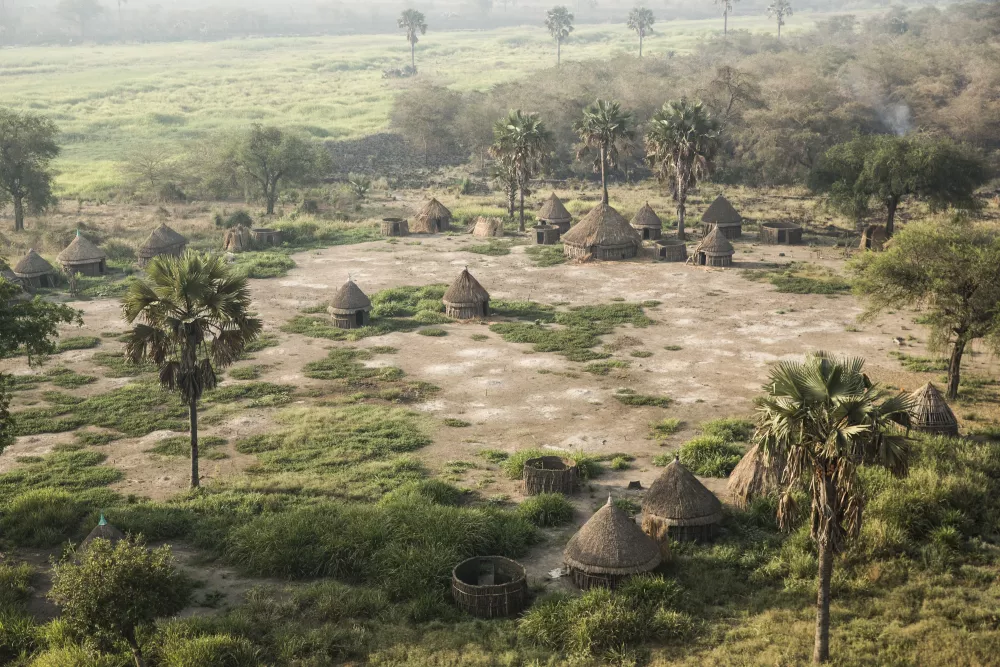
As the partnership began, early engagement focused on building a shared understanding of roles and responsibilities across the landscape, working alongside government and local stakeholders. Through a series of structured consultations, conversations focused on sustainable resource use, conservation responsibilities, benefit-sharing and conflict resolution, laying the foundation for a shared approach to managing the landscape.
A key step has been the establishment of Community Committees in 12 villages around the park. Comprising both men and women, these committees have received training in conservation governance, conflict mitigation and park-community collaboration. They are now playing an active role as representatives, mediators and connectors between the park and the communities they serve.
Already, these committees are helping to deepen the park’s understanding of local networks, relationships and decision-making structures. This growing insight is strengthening communication, highlighting areas of alignment, and supporting a more connected and collaborative approach to managing Gambella.
Human-Wildlife Conflict (HWC)
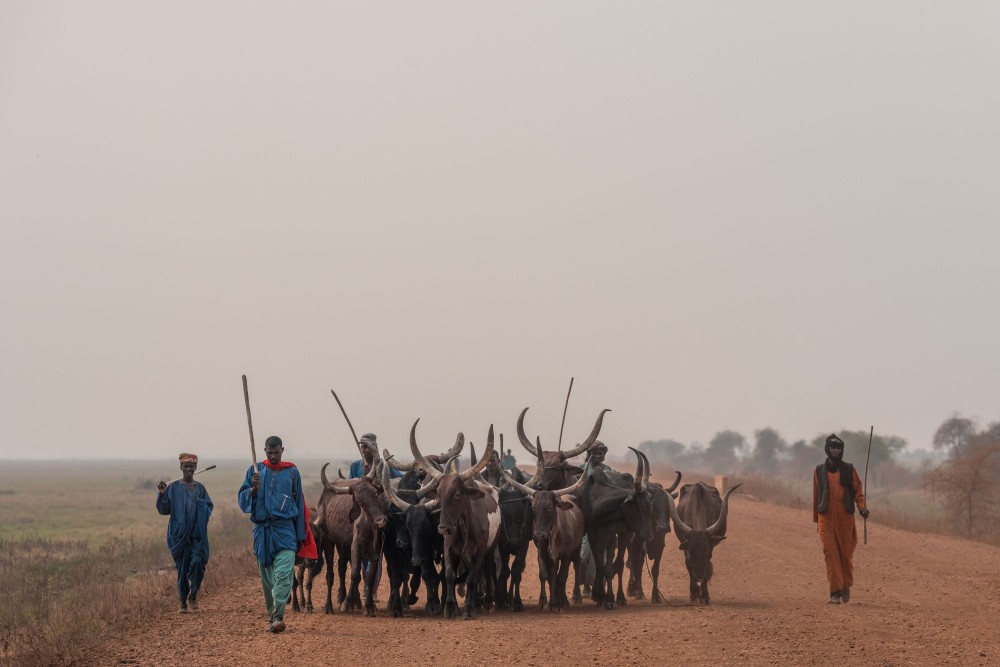
Initial conversations with community members highlighted concerns around crop losses linked to wildlife, as well as livestock losses attributable to predators. There is a clear need for more research to better understand the scope of the challenges involved, and to identify workable solutions that balance conservation with community wellbeing.
Reducing human-wildlife conflict is fundamental to effective protected area management, supporting both ecological integrity and the wellbeing of communities living alongside the park.
Initiating Operations
Managing a protected landscape is as much about understanding the terrain as it is about building systems to support it. Distances are vast, access can be difficult, and every aspect of park management, from infrastructure and staffing to supplies and planning, needs to be carefully put in place.
As with the park’s community work, early assessments focused on understanding what was already in place, where the gaps lay, and what needed to happen first.
From there, the work has been steady and deliberate: establishing core administrative, and operational functions, securing the locations and equipment needed to run them, and building the foundations that allow the park to function day to day.
People are at the centre of that effort. Across departments, from field operations to finance, teams are being built and strengthened. Local recruitments, who have completed the Gambella ranger training programme, are already a visible presence in the park, carrying out monitoring and law enforcement, and beginning to shape what this work looks like on the ground.
Biodiversity Conservation
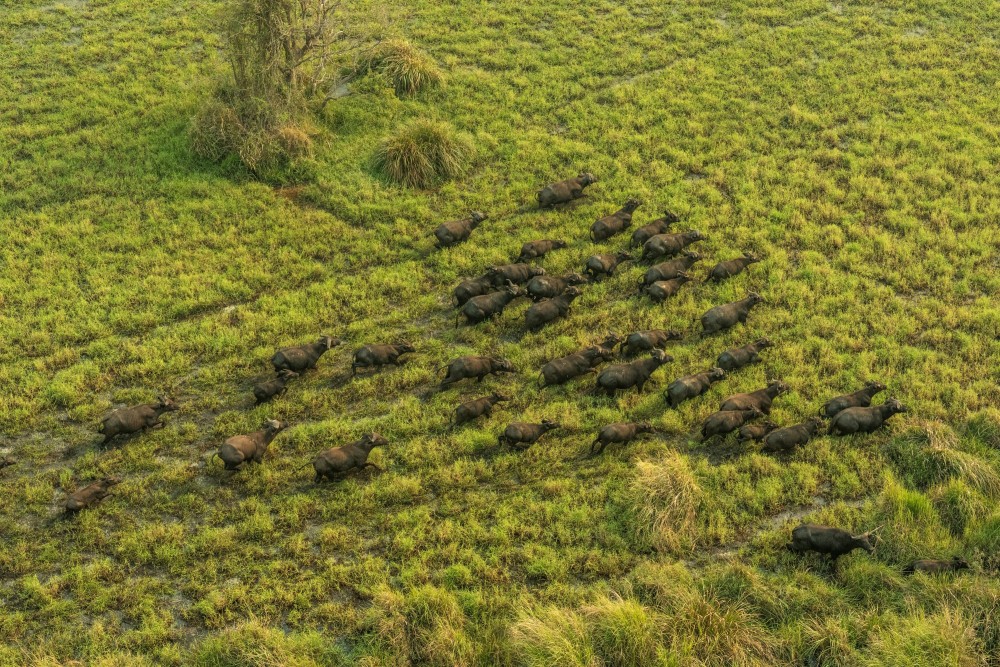
At its core, managing a protected landscape is about maintaining ecological integrity. When ecosystems are healthy, they improve livelihoods, support access to natural resources, and create the conditions for long-term opportunities.
In Gambella, the first year of work focused on understanding the current state of the park and where support is most needed. As with many landscapes that have experienced periods of limited investment and capacity, this initial phase has highlighted a number of priorities. These include:
- Strengthening foundational capacity across the park
- Establishing robust monitoring systems to generate reliable data
- Building a clearer ecological baseline from which to measure change over time. Early aerial surveys and transects have already contributed to a better understanding of wildlife populations and distribution, providing important reference points for future management.
- Cementing conservation partnerships with specialist NGOs to support skills and knowledge, fundraising networks and awareness platforms.
Looking ahead to 2026
If 2025 was a year of learning, 2026 is one of action. With a growing understanding of Gambella’s landscapes, wildlife and communities, the focus is shifting towards strengthening day-to-day management and reducing pressures that impact biodiversity.
The insights gathered over the past year are beginning to translate into more targeted monitoring, more informed decision-making, and a more coordinated, landscape-level approach that brings together community development and conservation. At the same time, that early sense of curiosity about Gambella, its scale, its movement, its complexity, remains just as important, continuing to guide how the park is understood and managed.
Looking ahead, there is also increasing attention on the long-term development of tourism. As knowledge of the park deepens, so too does the opportunity to share it more thoughtfully, in ways that support local livelihoods, contribute to the park’s financial sustainability, and invite others to experience this landscape with the same sense of perspective and respect.