About The Author
Visiting a park in the early stages of African Parks’ management is always a special experience. Projects and systems are still taking shape, but the foundations are visible, spirits are high, and there is tangible excitement about the future. Gambella, tucked against the South Sudanese border in western Ethiopia, was no different.
Hot and hazy at this time of the year, its raw, habitat-rich beauty – particularly the Duma Wetlands, home to the endangered Nile lechwe and the unmistakable shoebill – more than rewarded the challenging travel and photography conditions. Explore the images below for an insight into the landscapes, people and wildlife that shape this complex and dynamic park.
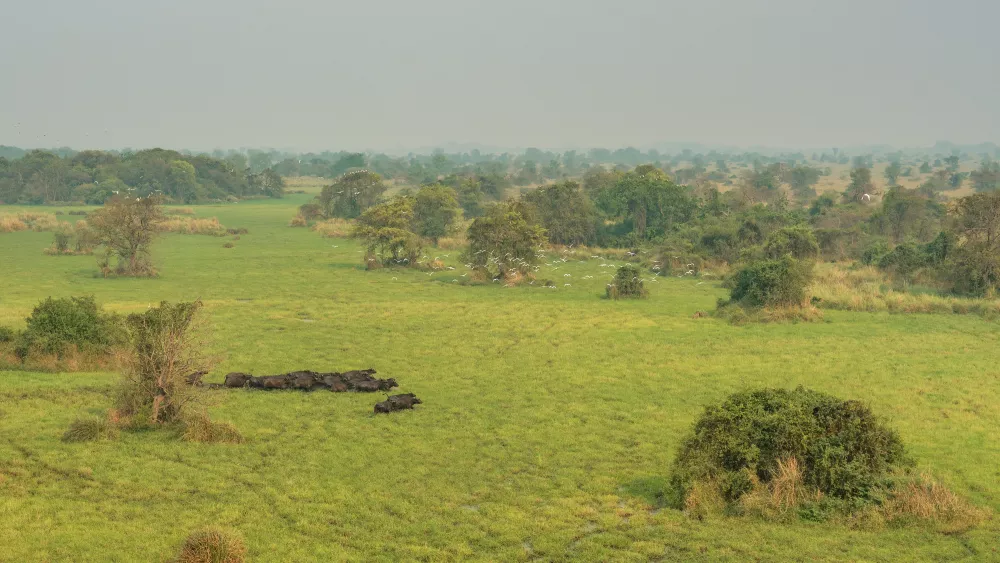
A buffalo herd in the Duma Wetlands, the heartland of Gambella National Park. This wetland is home to some of its most iconic wildlife, including shoebill and Nile lechwe.
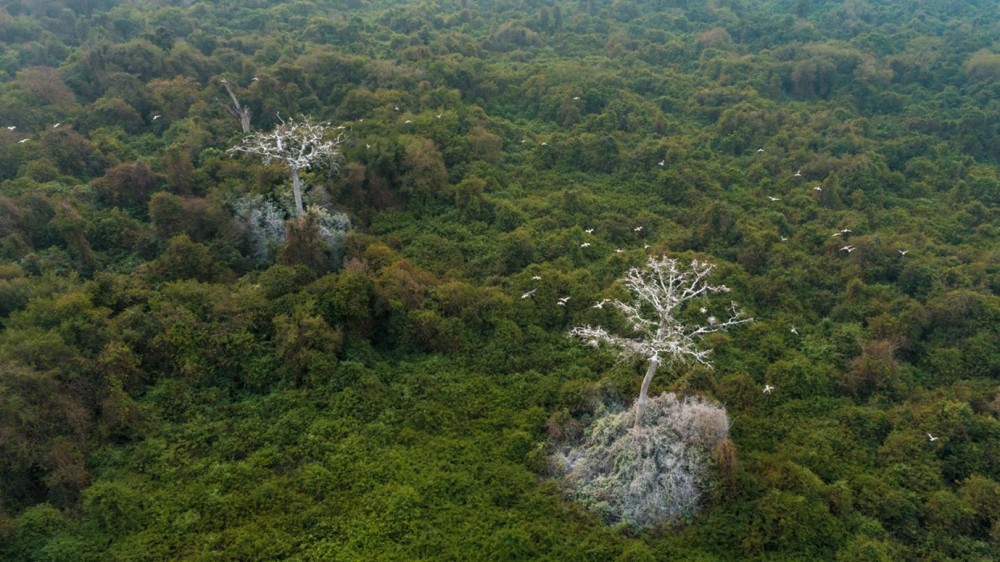
Great white pelicans leave their roosts early in the morning in search of fish in nearby waterways, lakes and puddles.
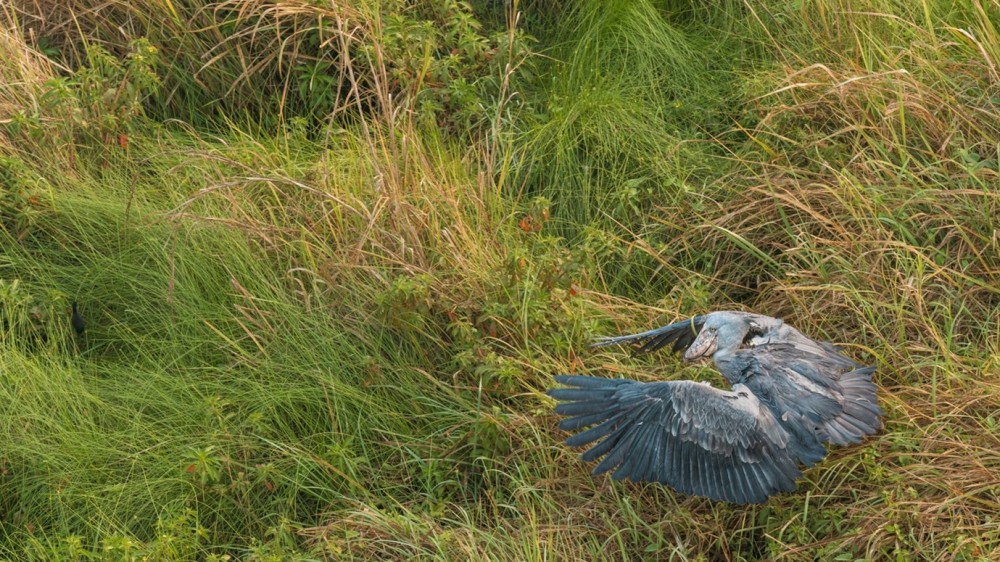
The landscape connecting South Sudan and Gambella National Park is home to a significant proportion of Africa’s shoebill stork population.
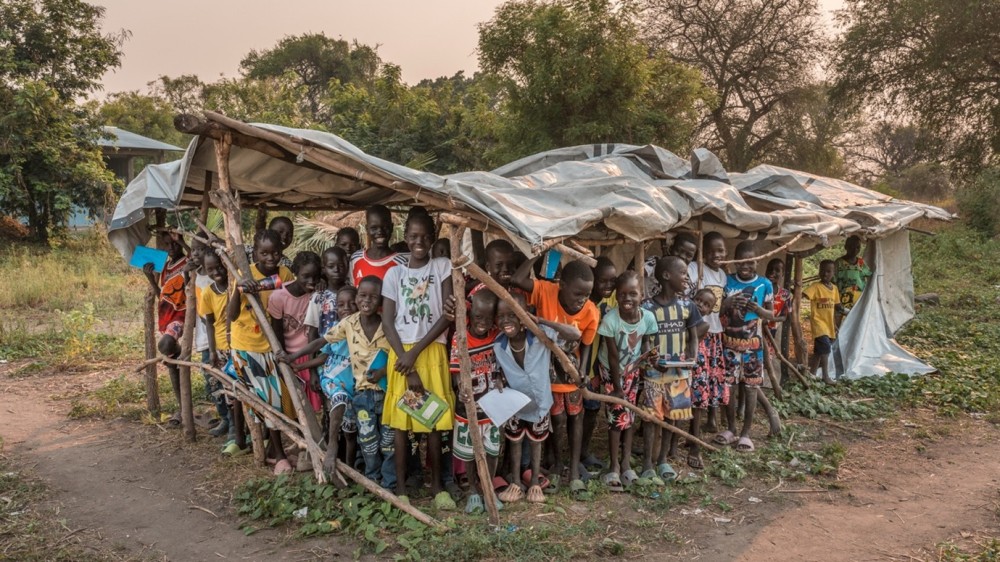
Education comes in many forms in the region, sometimes even in makeshift “classrooms” like this nursery school. Supporting education, and the facilities they require, is a key focus for the Gambella team.
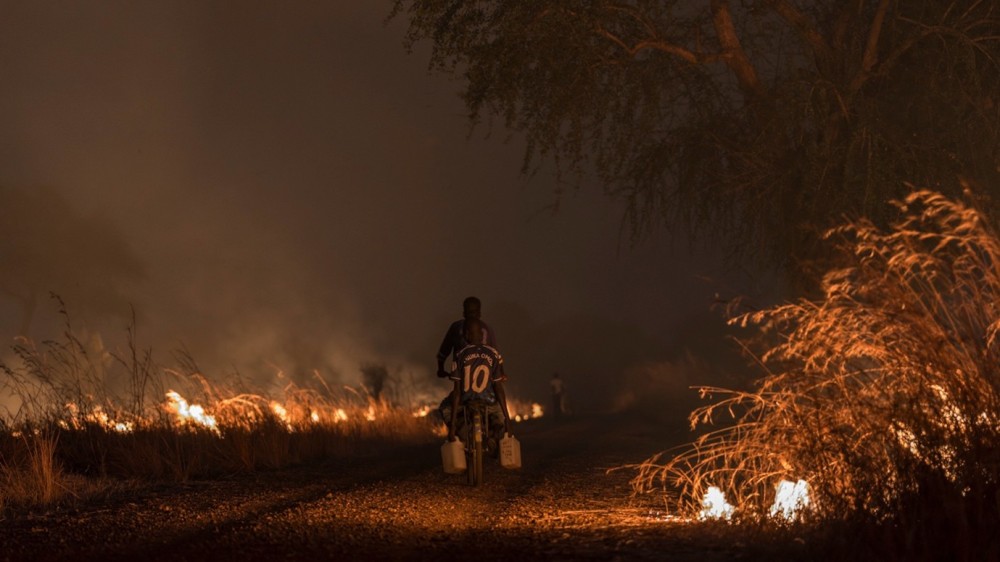
Fire is a common way for local pastoralists to ensure fresh grazing for their livestock and prevent larger, out-of-control bushfires. The Gambella team will work alongside communities to support sustainable fire management practices.
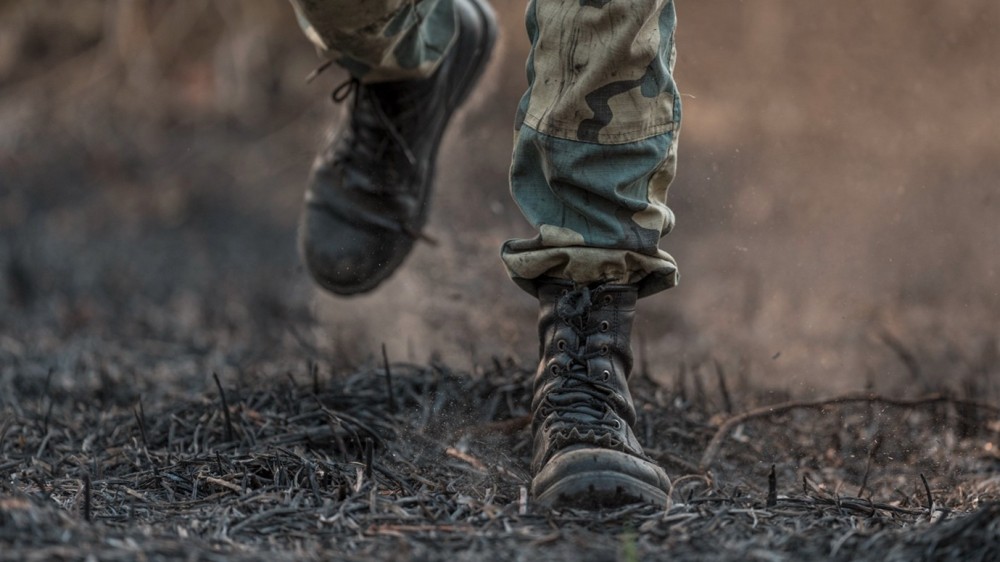
Rangers are already active across the park, monitoring wildlife and maintaining a presence on the ground. Most illegal hunting inside the park is for bushmeat, while agricultural expansion and cattle herding present additional pressures.
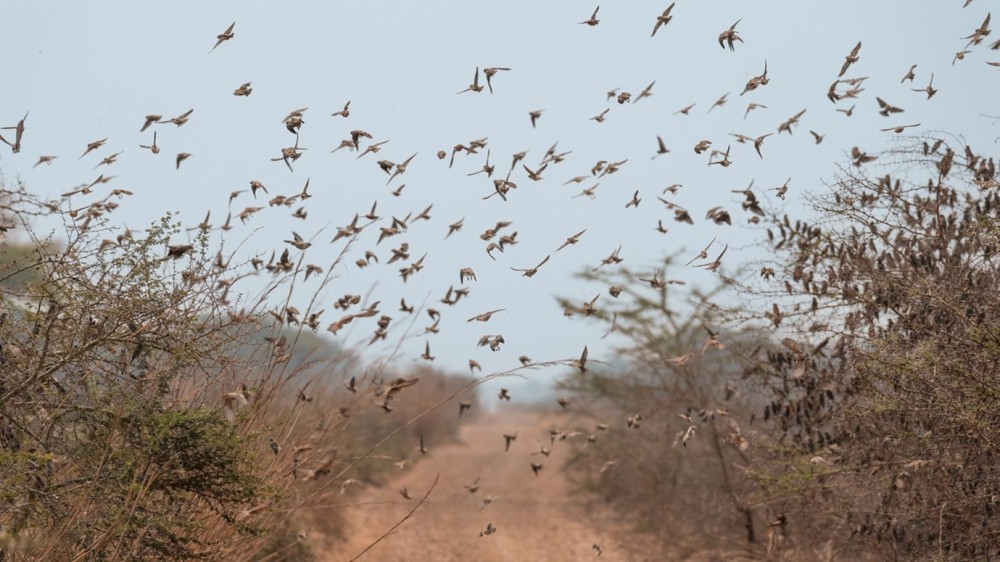
Red-billed queleas congregate in increasingly large flocks as the dry season progresses.
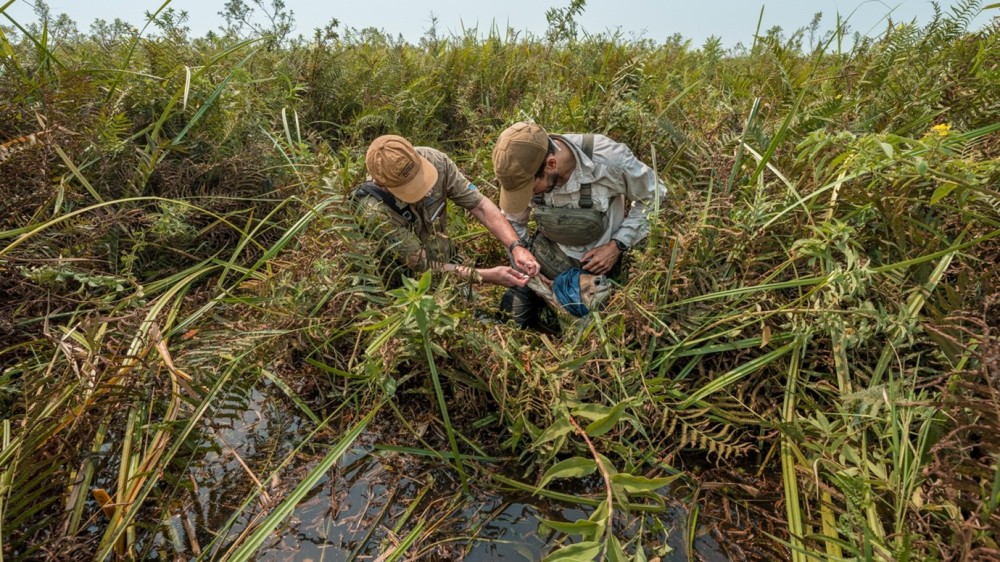
Dr Hans Bauer, Gambella Conservation Manager, and Dr Richard Harvey, Veterinarian, collar one of the park’s endangered Nile lechwe.
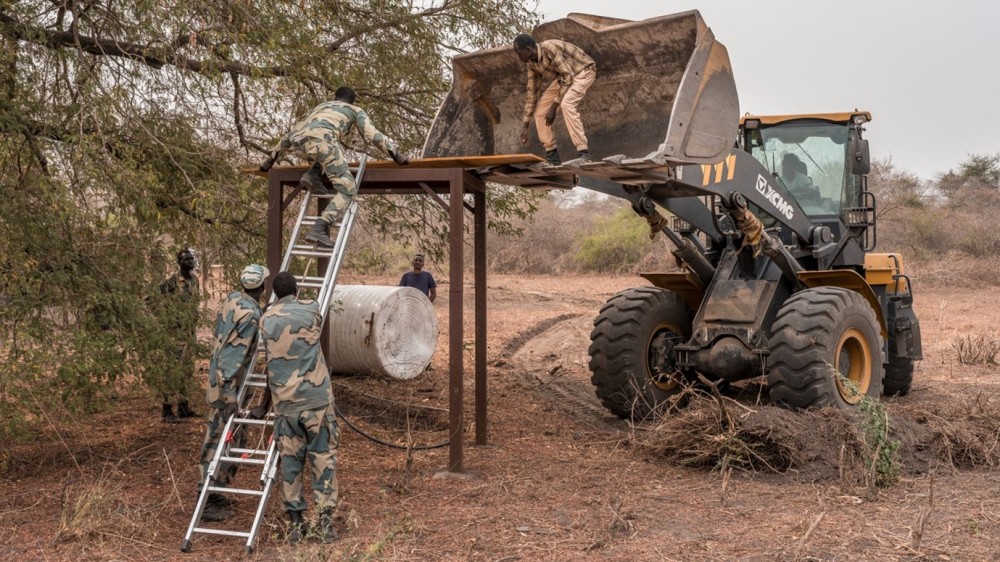
Construction at Puju Camp, a strategic ranger outpost and the temporary base for activities into the park.
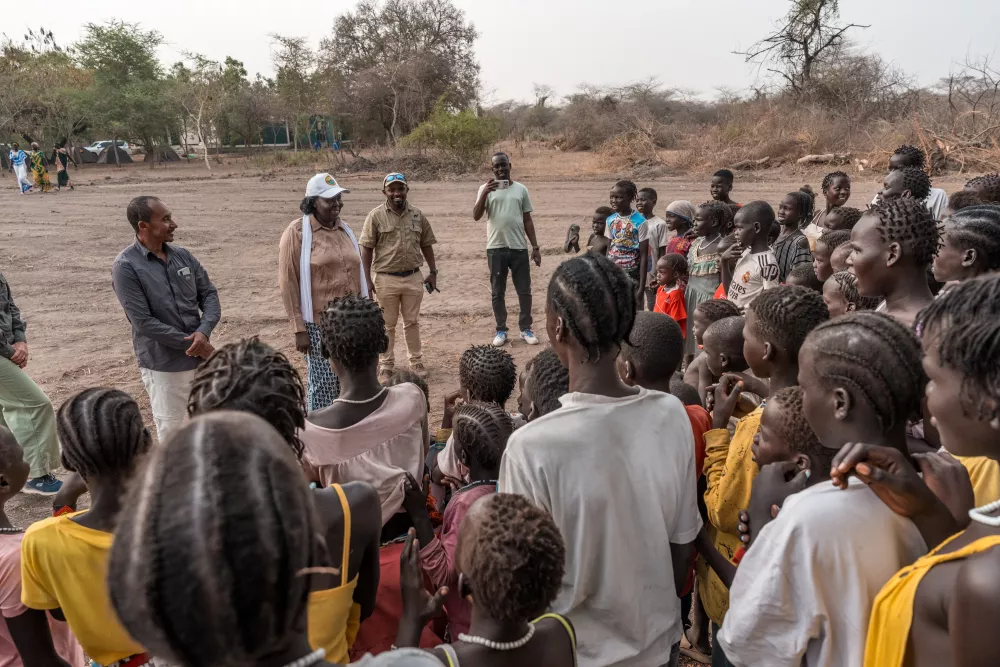
African Parks Regional Operations Manager Dudu Douglas-Hamilton and Park Manager Habteyesus Mateos visit the Puju ranger outpost with H.E. Ms Alemitu Omod – President, Gambella Peoples’ National Regional State. and Ethiopia’s Director General of Wildlife, Kumara Wakjira, to discuss common goals.
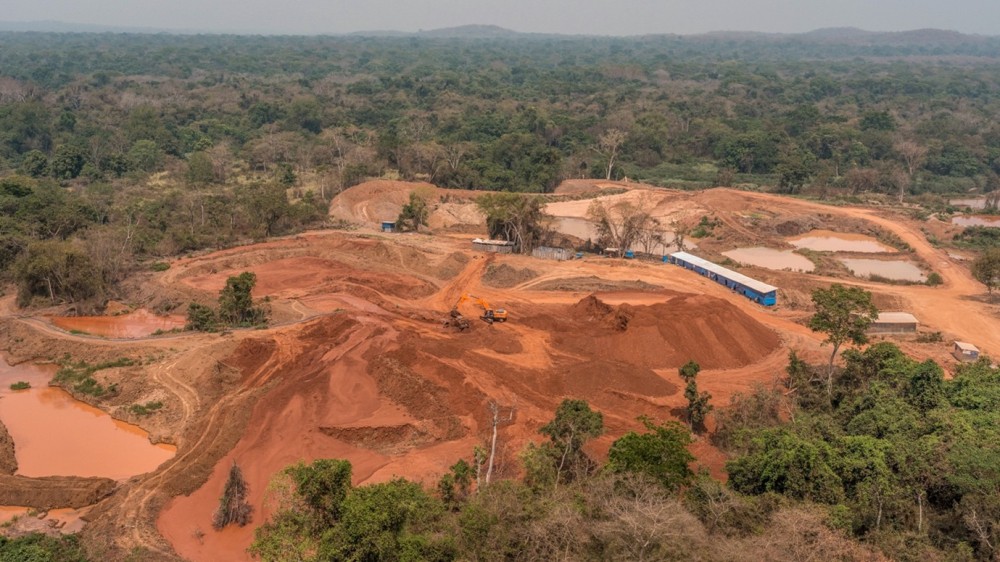
Gold mining is an important source of income for thousands of people living near the park, but also a severe environmental threat. Balancing those needs will be a key priority for the Gambella team and state government in coming years.
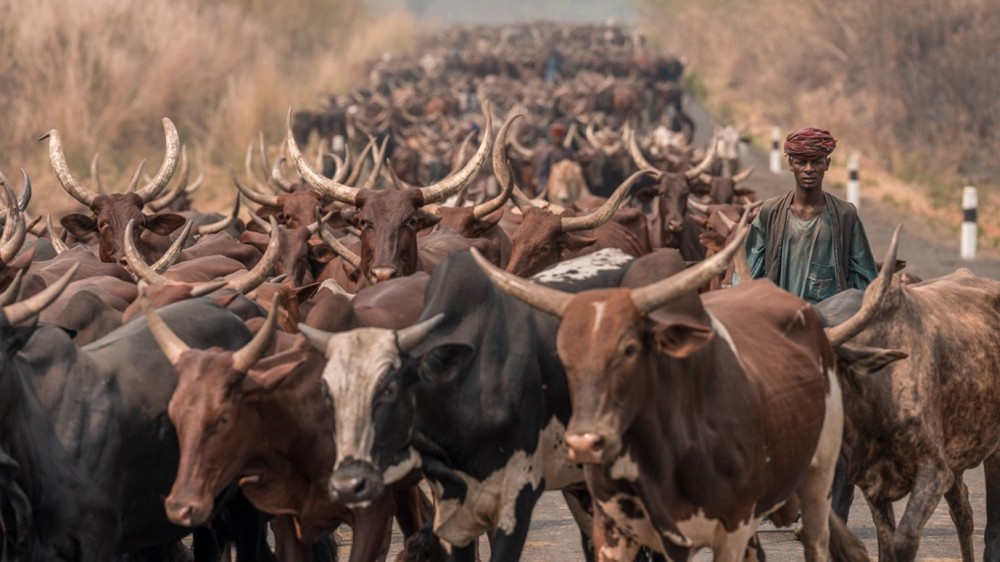
Thousands of transhumance herders move through Gambella state every year with their livestock, seeking fresh grazing, water and, at times, refuge from conflict elsewhere.
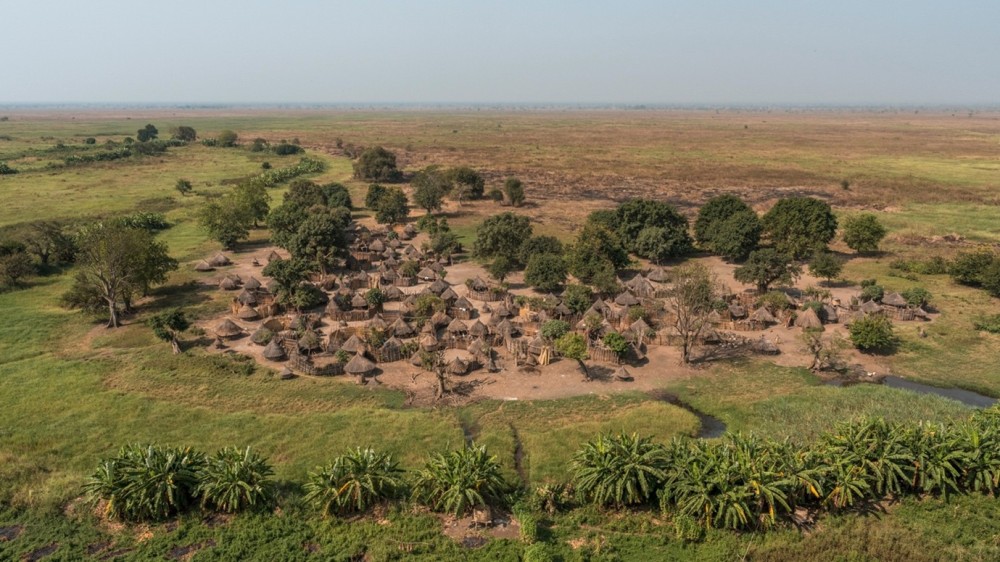
A small village, surrounded by banana trees, on the border between Ethiopia and South Sudan.
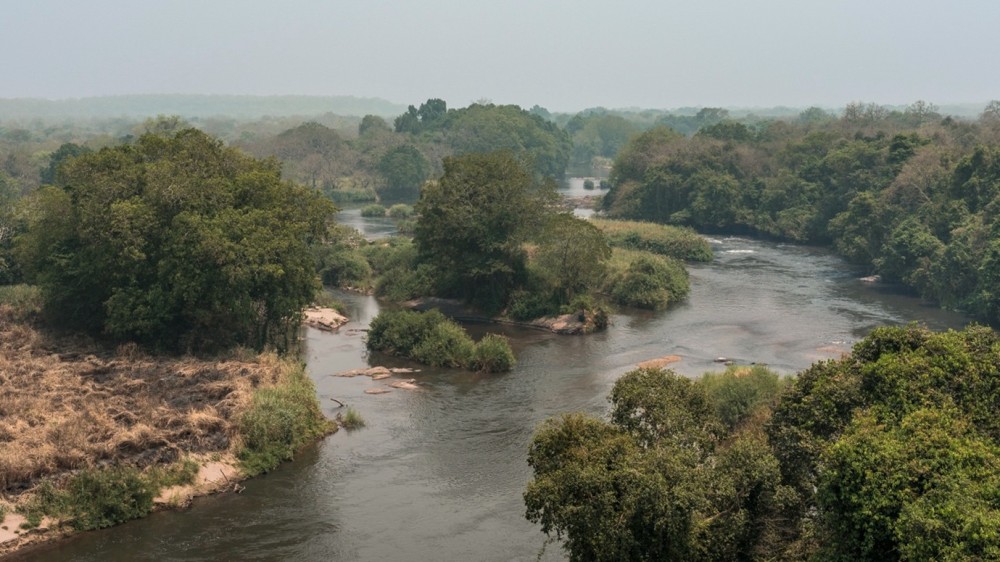
Three major rivers flow through the Gambella ecosystem, including the Gilo River, which forms a natural barrier along its southern edge.
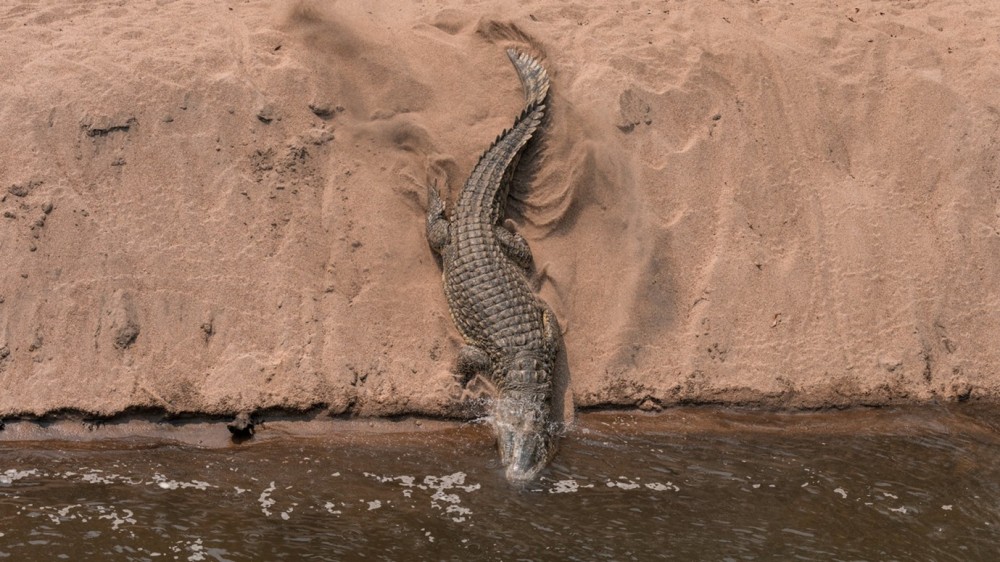
One of the Gilo River’s many reptilian inhabitants. The Nile crocodile feeds primarily on a high concentration of fish.
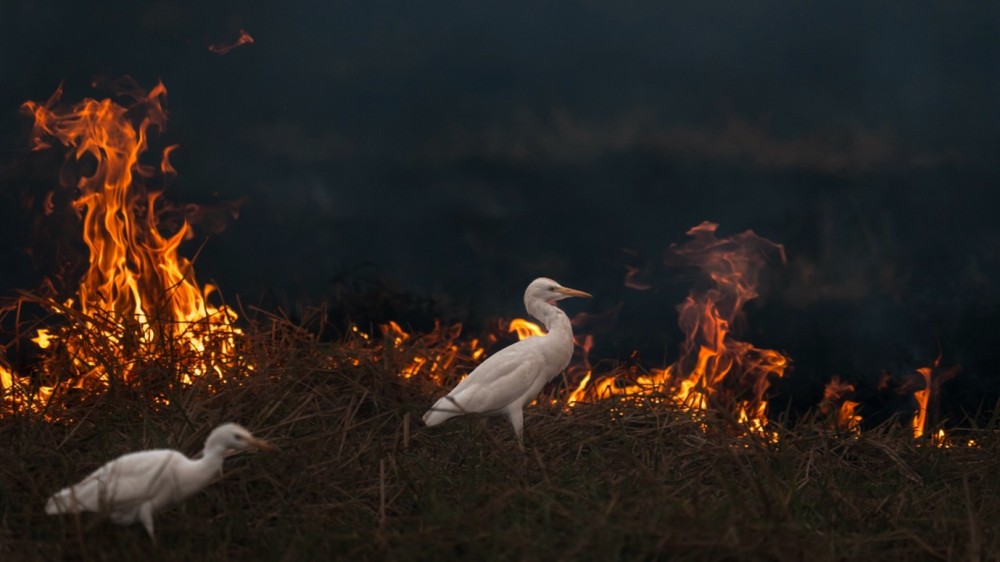
Cattle egrets are quick to make use of the bonanza of insects that fires stir up across the vast grasslands around Gambella.
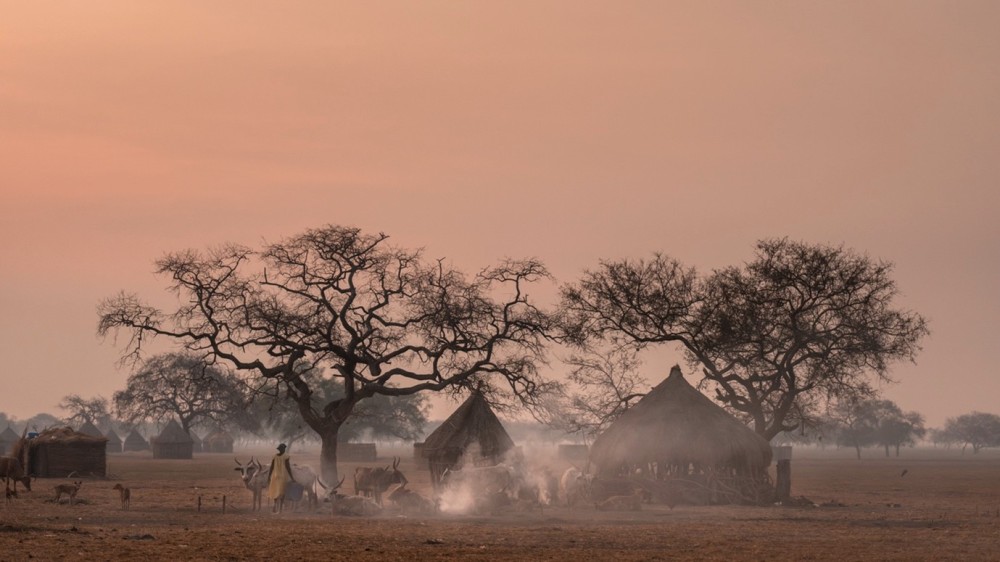
A Nuer settlement near the northern boundary of Gambella National Park. Primarily pastoralists, the Nuer are the largest ethnic group in Gambella State.
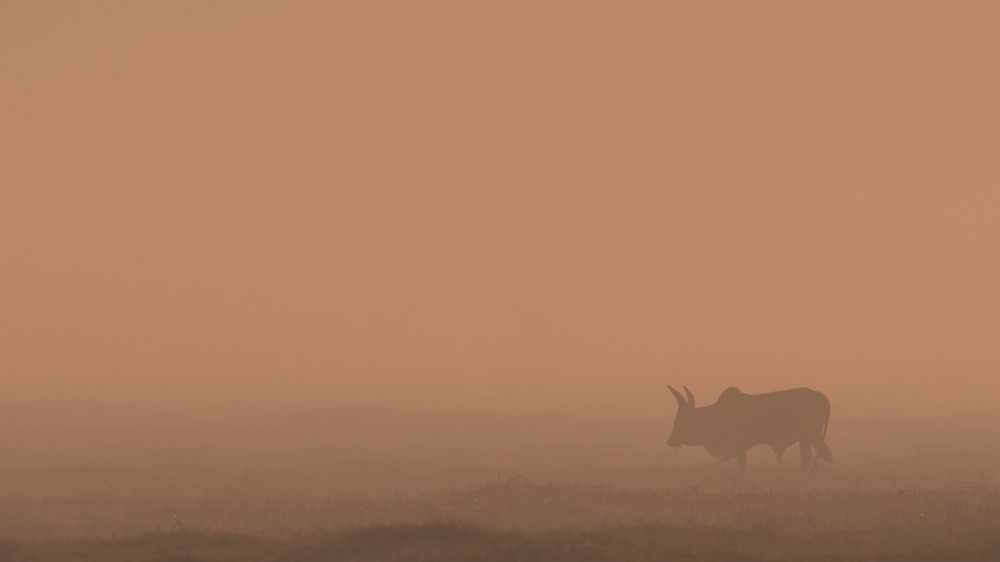
In Nuer culture, bulls are given different names depending on the condition of their testicles, specifically whether they are intact or have been removed. A bull that still has its testicles is called “Tut” and is considered the true bull belonging to the owner. A bull that has been castrated is called “Thak.”
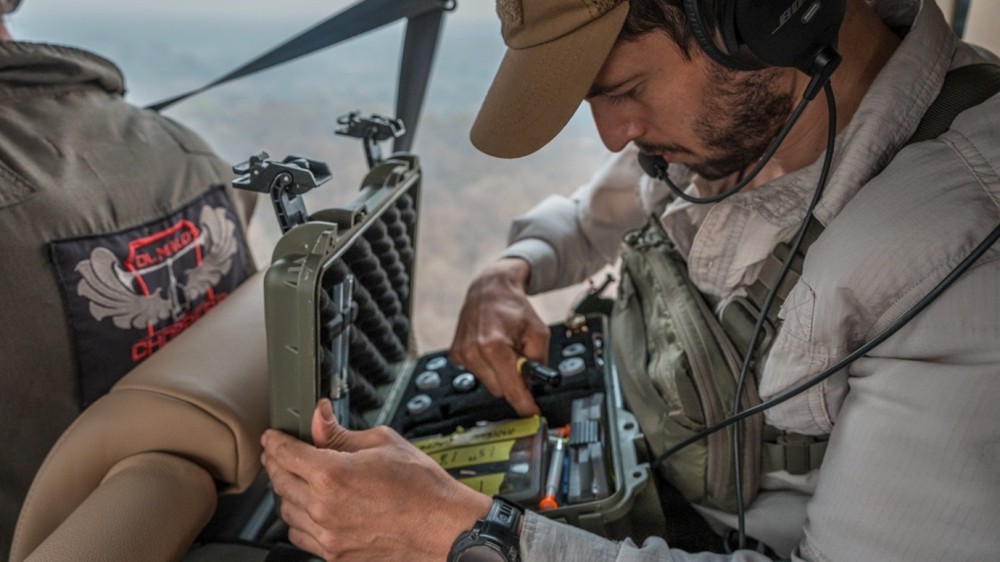
Dr Richard Harvey prepares his darts inside the helicopter as part of the February 2026 collaring operation, during which 34 animals were fitted with collars or trackers.
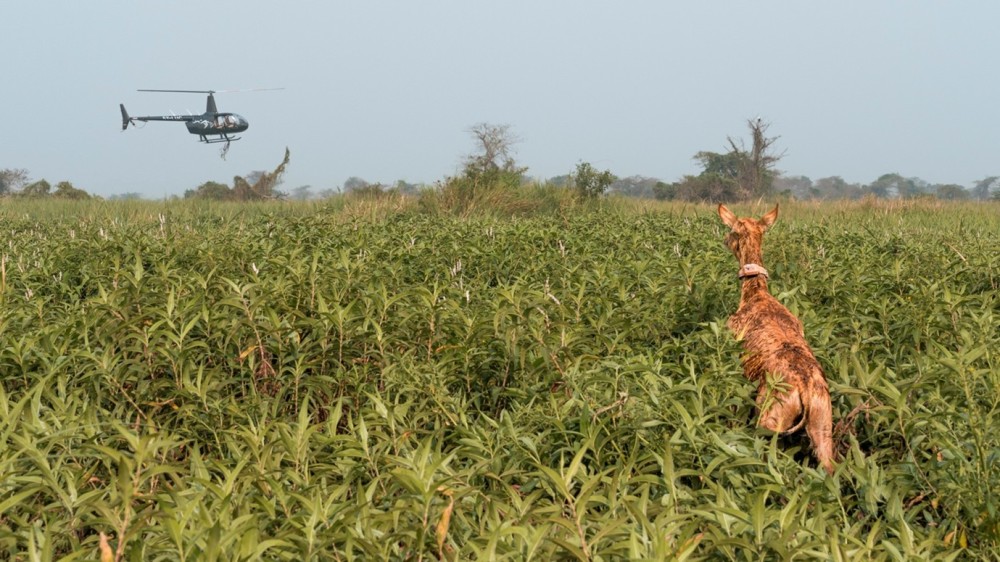
A female Nile lechwe, collar safely fitted, jumps back into the Duma swamps in Gambella National Park while the helicopter hovers in the background.
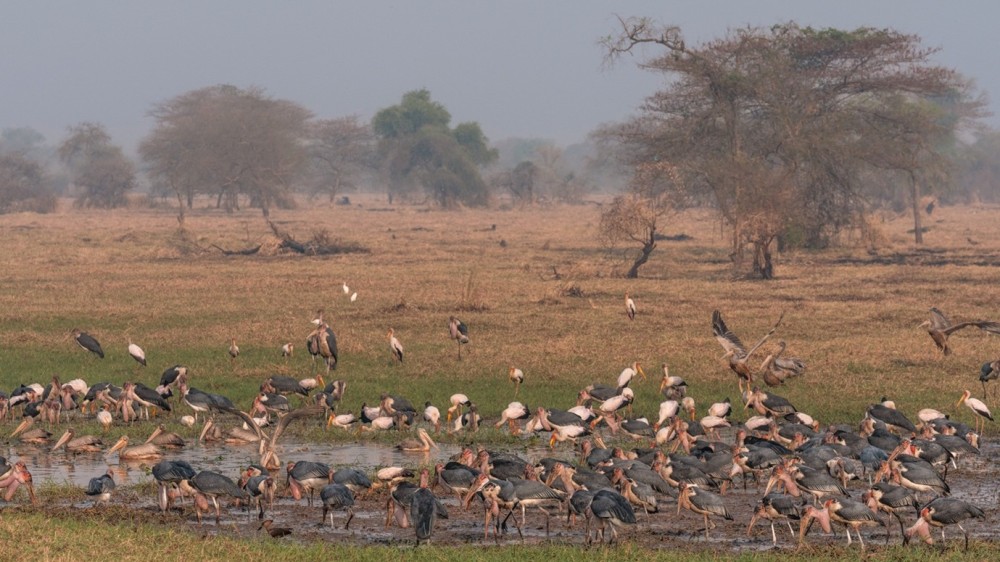
Storks and pelicans congregate at a small pond just outside the park. As the dry season progresses, water bodies shrink, increasing concentrations of fish and amphibians into smaller and smaller water bodies.
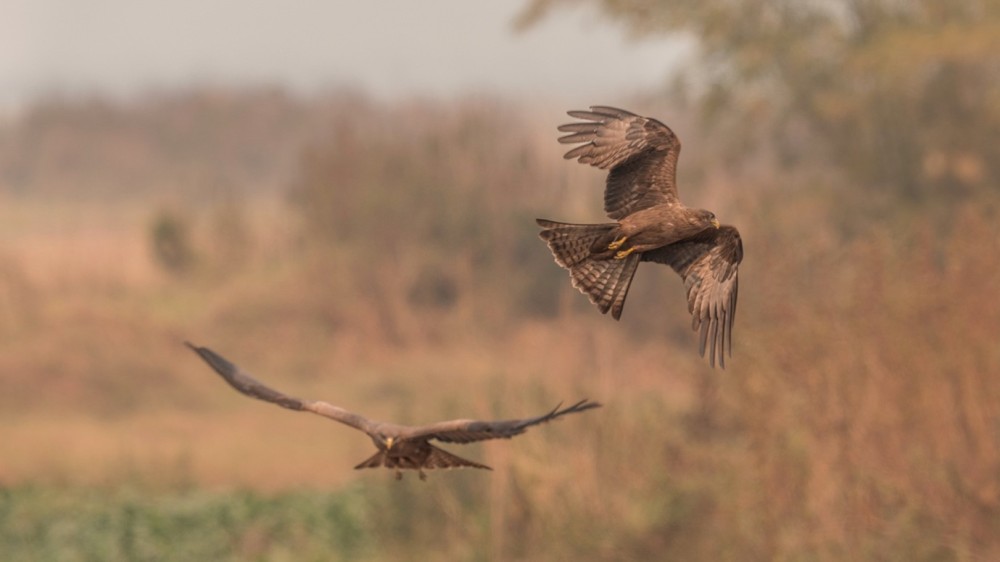
Gambella National Park is home to over 300 bird species, with several dozen species of raptors – including these red kites.
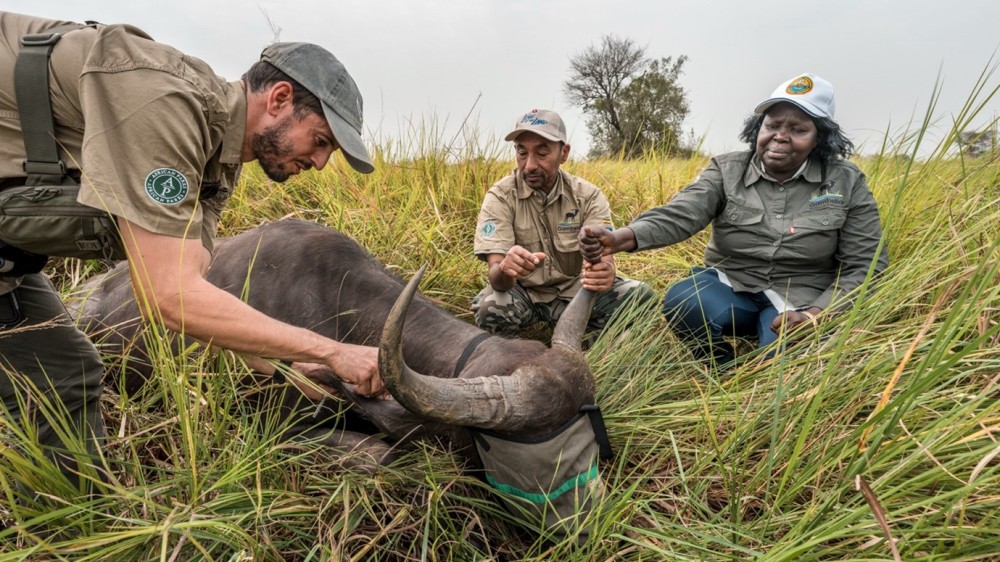
H.E. Ms Alemitu Omod – President, Gambella Peoples’ National Regional Stateand Ethiopia’s Director General of Wildlife, Kumara Wakjira, assist Dr Richard Harvey as he collars a female buffalo – subsequently named in honour of Umod.
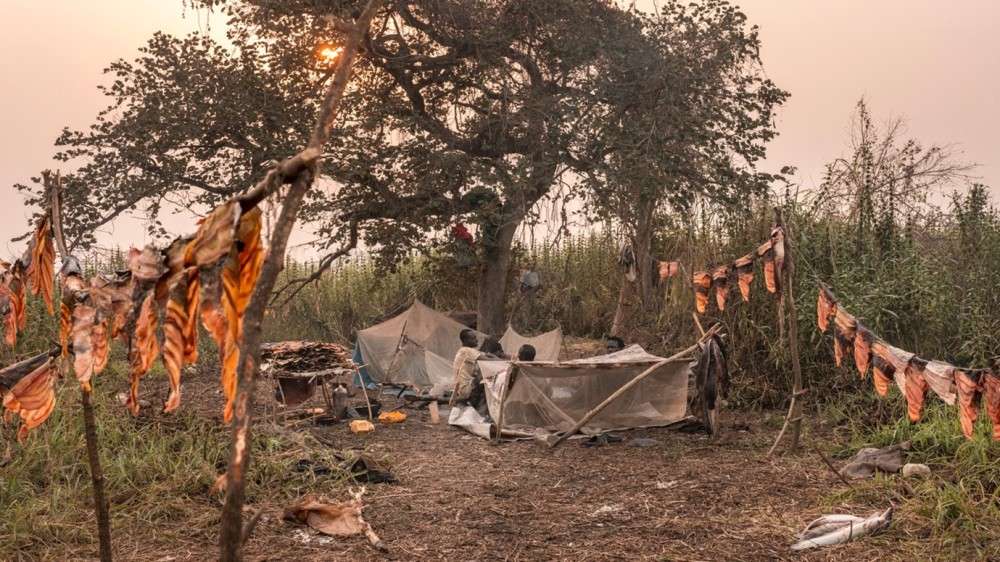
An Anuyak fishing camp at the outer edge of the Duma swamps, just outside the national park. The drying meat is from catfish, which are abundant throughout the wetlands.
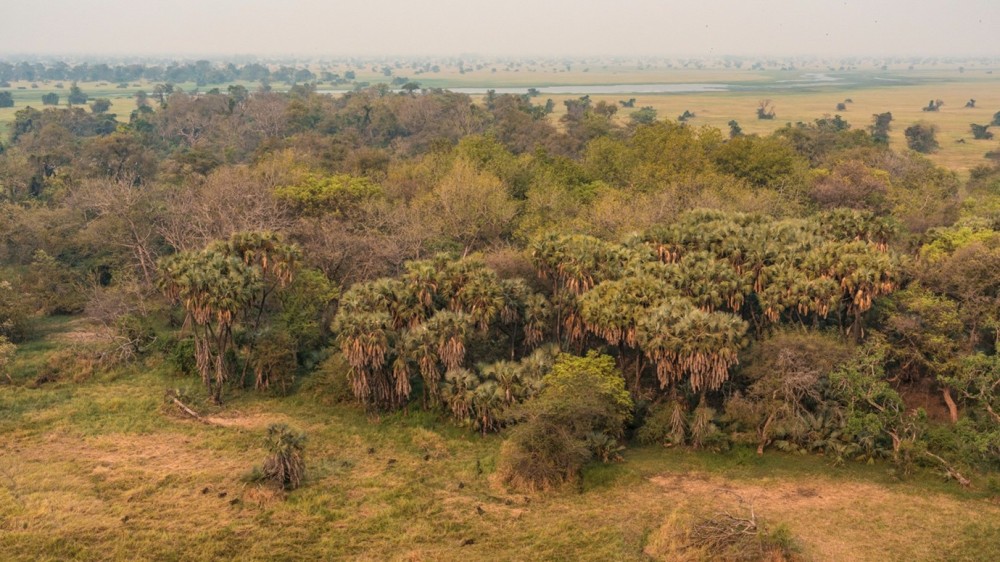
A troop of baboon seek out dry ground and potential food sources on a permanent island in the Duma Wetlands.
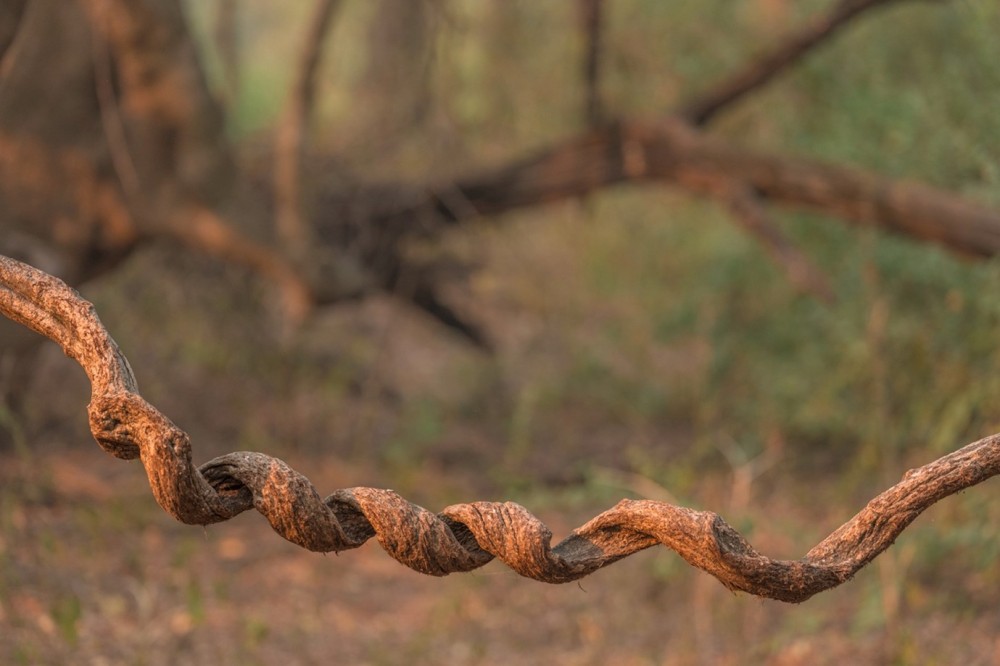
Vegetation detail in one of the park’s permanent dry areas.
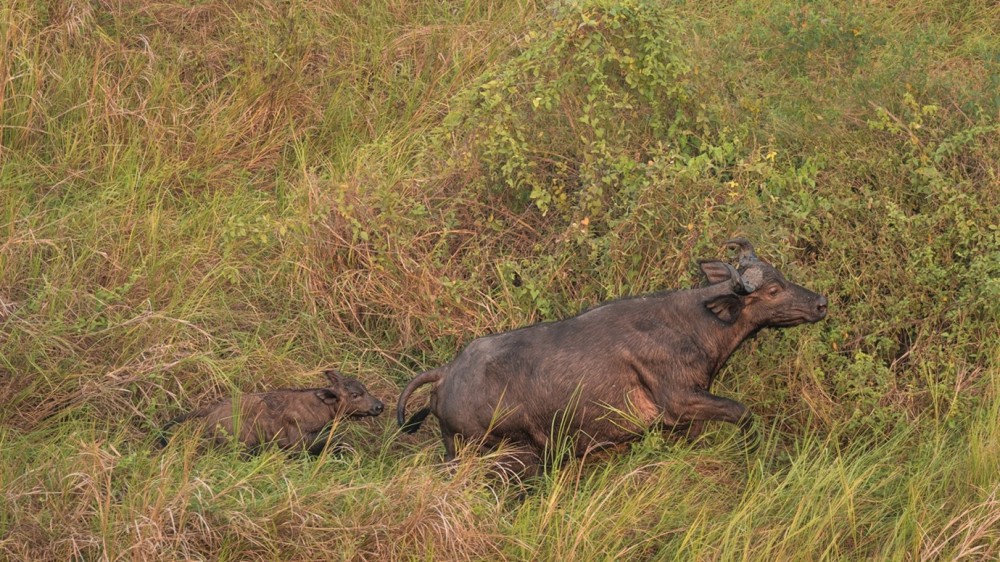
A female buffalo and her calf move through the wet terrain inside the park. With no road access, the terrain provides a refuge for wildlife for much of the year.
For me, places like Gambella National Park – undeveloped, but with so much potential – represent the most exciting aspect of conservation work in Africa. It would be a worthy conservation endeavour in its own right; as the missing piece of the Great Nile Migration puzzle alongside the vast Boma Badingilo Jonglei Landscape in neighbouring South Sudan.. While African Parks’ tenure here is only in its infancy, the quality and dedication of the team bode nothing but well for the future, and I for one can’t wait to come back again.