In less than a year, the world’s largest captive rhino breeding project has undergone a remarkable transformation. Since African Parks assumed management, the focus has shifted from rhino farming to rewilding – with early results showing improved survival, stronger population growth, and renewed purpose for both people and animals.
In September 2023, African Parks assumed operational control of the world’s largest captive rhino breeding project, home to 2,000 southern white rhino. This marked the beginning of an extraordinary transformation rooted in a bold new vision – one that was solidified three months later, when formal ownership was transferred on 11th of December 2023.
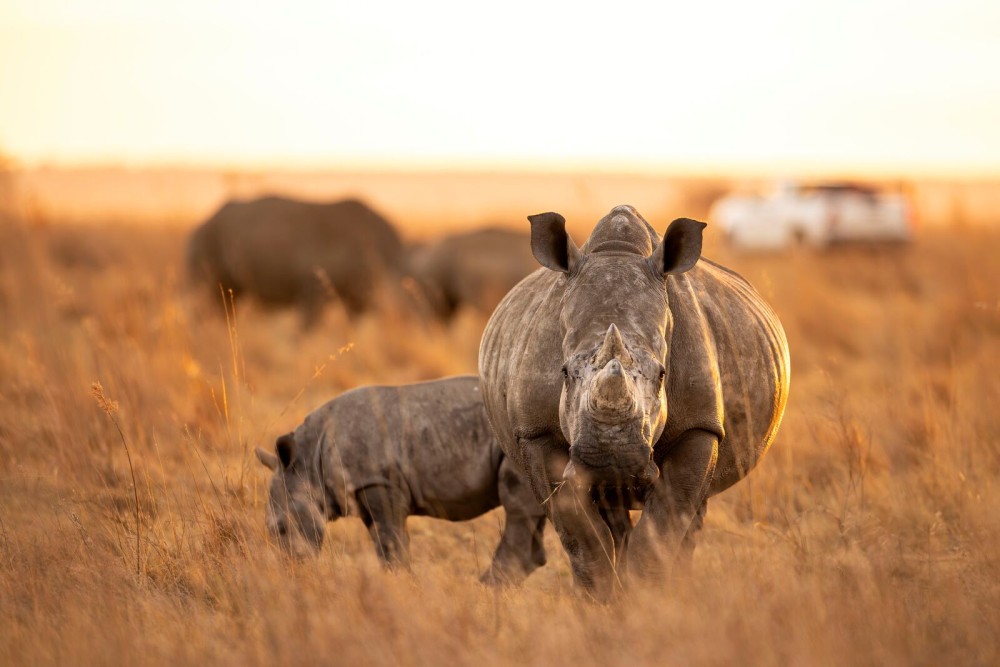
This was never just about saving rhino. It was also about redefining what this farm could be: not a holding facility, but a catalyst for rewilding. At the heart of this was a clear ambition: to return these animals to well-managed, protected areas across Africa over the next decade. Since then, the shift has been as profound as it has been practical – from improved rhino welfare and strengthened protection to staff empowerment and a complete transformation of infrastructure and management systems.
The results speak for themselves. Since African Parks assumed management, the rhino population growth rate has risen to 7.8%, up from just 1.3%. Birth rates have also increased, while the number of orphans has dropped by 55% – a clear indicator of improved herd stability. Together, these figures reflect a project turned around, and a stable foundation from which the rhino can begin their journeys to new homes.
Smarter Rhino Management
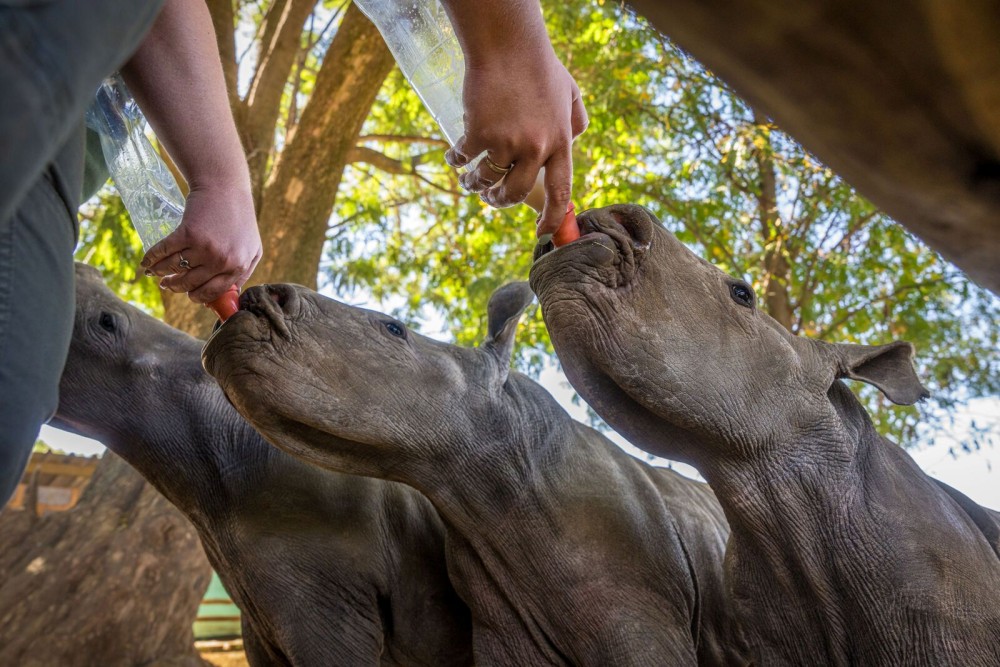
One of the most significant areas of change concerned the management of the rhino themselves. Previously confined within numerous internal paddocks, rhino were subjected to unnecessary stress due to social and spatial constraints. Removing internal fencing allowed for more natural movement and grazing patterns – benefitting both the animals and the landscape.
Feeding practices were also reconsidered. Instead of the costly cycle of mowing, storing, and redistributing grass, African Parks worked with local companies and experts to design a new custom feed mix. The change brought better nutritional control, reduced operational costs, and meant eradicating late-night shifts, improving the wellbeing of both rhino and staff.
Investment in People and Place
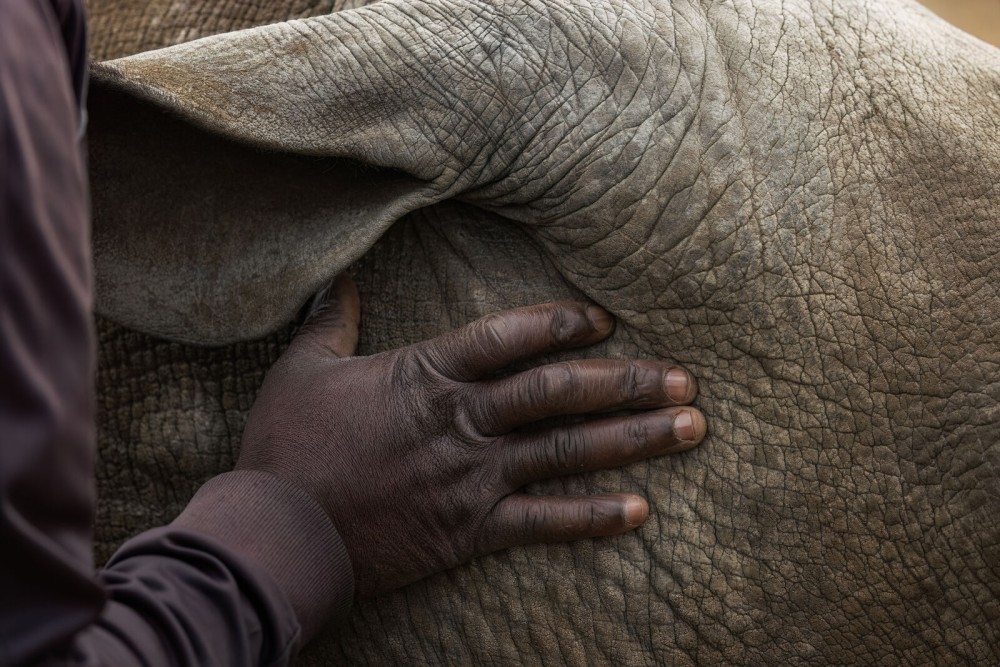
Staff welfare was a key priority – and continues to be so. From running water and functioning showers to upgraded staff housing, offices, and communal infrastructure, the project site has been reshaped into a place where people feel part of a bigger mission.
At the heart of this is buy-in: not just employment and labour, but shared purpose. Over 120 staff members – many of whom once worked under a very different model – are now fully invested in a new vision, one that centres not on captive breeding, but on giving rhino a future in well-managed, protected areas where they belong.
A New Era of Protection
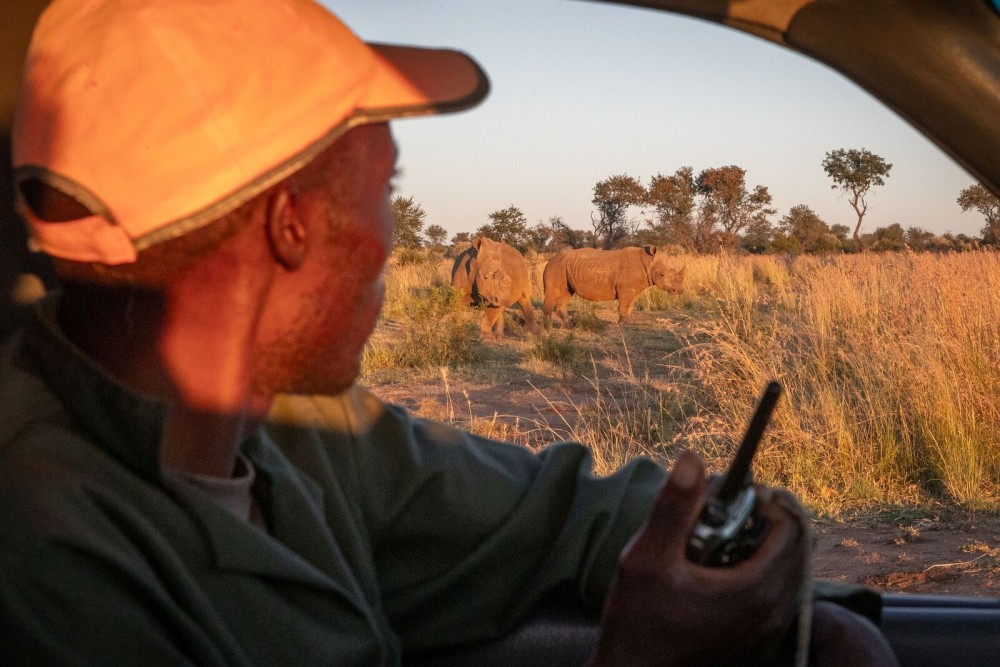
With the risk of keeping a large group of rhino in one place, strengthening security was also a priority. When African Parks arrived, law enforcement on the farm was largely passive – heavily reliant on technology. A partnership with the Southern African Wildlife College enabled a full ranger training programme, resulting in a law enforcement team that grew from just 10 to over 35, including nine women, significantly improving the project’s overall security capacity.
Today, these rangers are out on active patrol, visibly present, and fully aligned with African Parks' field protocols and standards.
A Vision Realised

The most powerful shift hasn’t just been in structure, systems, or savings. It’s been in purpose. What began as a captive rhino breeding farm has become a hub of conservation – fuelled by a shared belief that more than 2,000 southern white rhino can and should return to the wild.
There’s still a long journey ahead. But the turnaround is real. And thanks to the work already done – and to everyone who played a role in the transition – that journey now begins from a place of strength.
15 May 2025