Across Nyungwe and Akagera national parks, small businesses are reshaping lives and how people view conservation. From fishing to mushroom farming, community cooperatives are creating sustainable income, while helping conserve Rwanda’s vital biodiversity.
A Tradition Rebuilt for Today
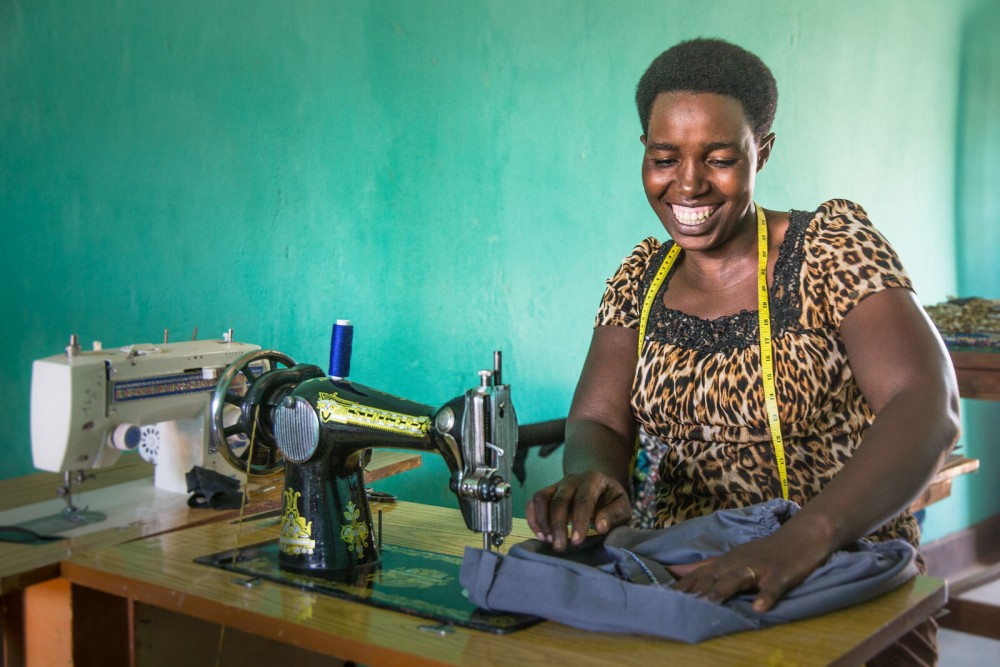
A cooperative, as the word denotes, is a farm or business that is owned and run by a group of people, all of whom share the profits of their work. In Rwanda over the past two decades, such initiatives have been formalised as a tool to improve rural incomes, create jobs, and foster reconciliation, bringing together farmers, fishers, artisans, and entrepreneurs to pool resources, share skills, and improve access to markets.
Around Akagera and Nyungwe national parks, they offer something more: a practical way to replace unsustainable resource use with sustainable initiatives, creating long-lasting livelihoods, while building a sense of shared ownership around protected areas.
Fish and Farming in Akagera
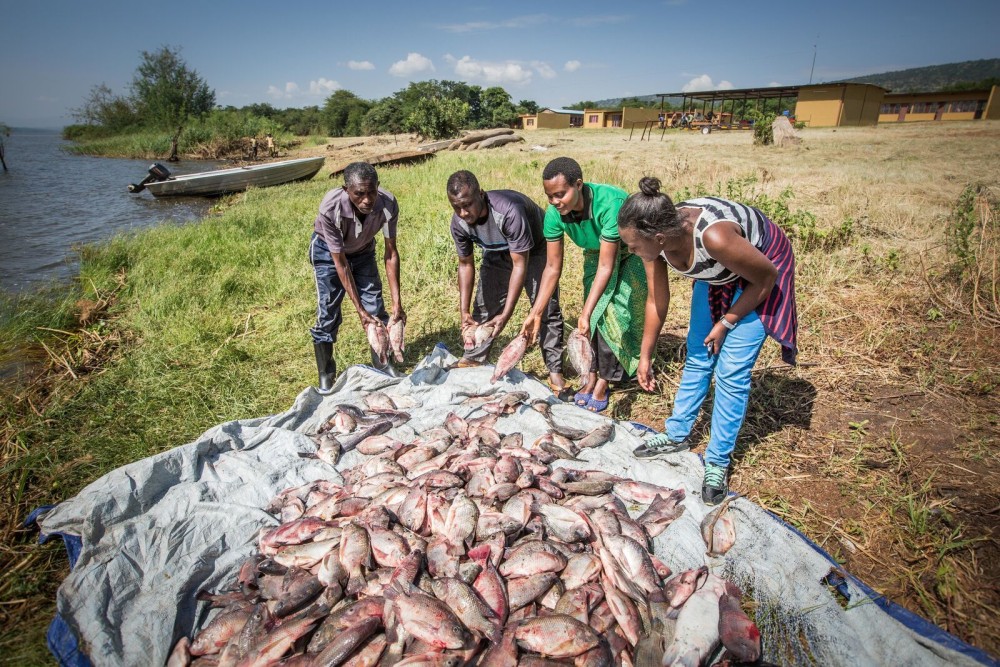
In Akagera, the COPECO Gishanda Fishing Cooperative is just one of several initiatives that give communities a stake in conservation. The cooperative employs dozens of fishers from surrounding villages, offering a reliable income while maintaining sustainable fish stocks in the park’s lakes; over 100,000 fingerlings were released into Lake Gishanda to replenish it, for example. Gishanda Fish Farm was established in the same year and uses sustainable farming methods such as solar power, providing new skills and jobs. Thanks to the farm, two nearby villages have access to electricity for the first time, and a borehole supplies clean water to Umunezero Primary School, improving conditions for 370 students.
“Harvesting more than 130 tonnes of fish annually from Akagera’s lakes has transformed my life and that of my cooperative members,” says Nsengiyumva Innocent, a member of COPECO Gishanda Fishing Cooperative. “It has also helped alleviate malnutrition in our community, as we now supply over 100 kg of fish every day at affordable prices. I am proud to see my neighbours access fish from the park in a legal and sustainable manner.”
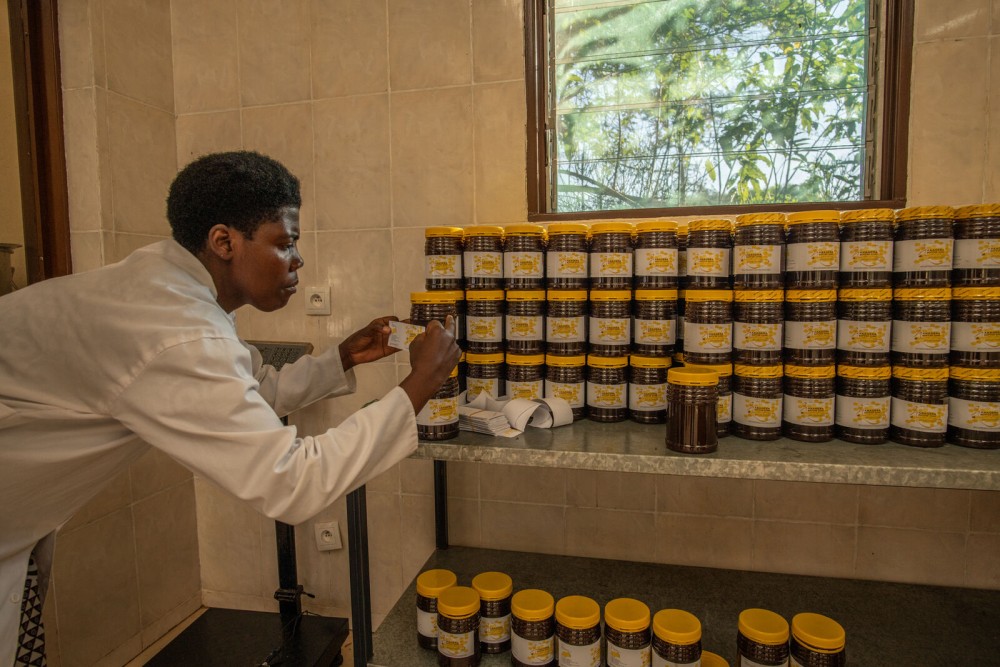
Around the park’s buffer zones, ten beekeeping cooperatives (with more than 375 members) practice sustainable honey harvesting. Builders' cooperatives, consisting of more than 200 members, collaborate with the park on various activities, including infrastructure repair and maintenance, invasive species removal, darting operations, and fire management. Collectively, these two cooperatives generate approximately USD 200,000 annually, contributing to the local economy through taxes and community spending. This economic activity has led to significant employment opportunities and is a strong multiplier effect in the community.
Reinforcing the link between community wellbeing and conservation, Akagera plays a key role in Rwanda’s Tourism Revenue Sharing (TRS) scheme, a government initiative that channels a portion of tourism income directly into surrounding communities. Through this programme, and aided by the reinvestment of park revenue, local infrastructure and micro-businesses receive support.
Nyungwe: Mushrooms, Guides, and a Growing Green Economy
Today, Nyungwe supports 34 cooperatives across five districts, with 16 focused on initiatives such as pig rearing, fish farming, and community-based tourism. Another nine provide employment opportunities through service-related activities, including freelance guiding, porter groups, and casual worker cooperatives, while another project manages the public washrooms (toilets and a kiosk) at the main road that crosses the park. The Cyamudongo Community Tourism Promotion Cooperative earns income from its coffee shop and accommodation, while 27 park-supported freelance community guides organised themselves into a cooperative that offers authentic and professional experiences for visitors.
“Completing the zipline adventure training really built my skills to deliver safe, fun experiences. As a community freelance guide, this opportunity has not only boosted my confidence but has also boosted my income and helped support my family,” says Ngezahayo Pacifique.
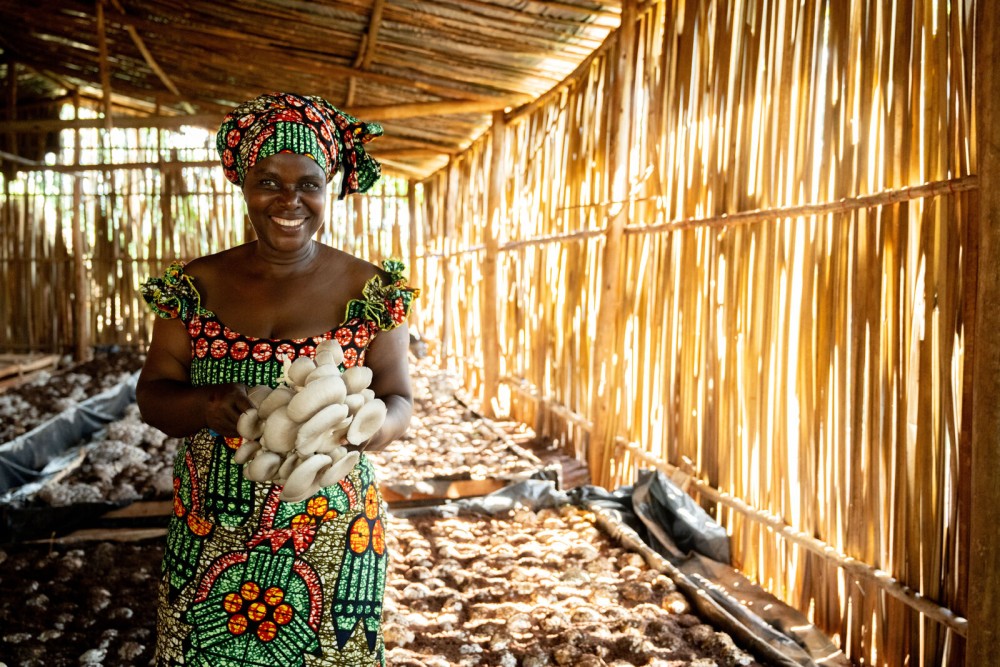
A standout is the mushroom farming project launched in November 2023. By early 2024, the first tubes were produced, and in just over a year more than seven tonnes of mushrooms were harvested – a promising source of income for surrounding communities.
Partnering for People and Nature
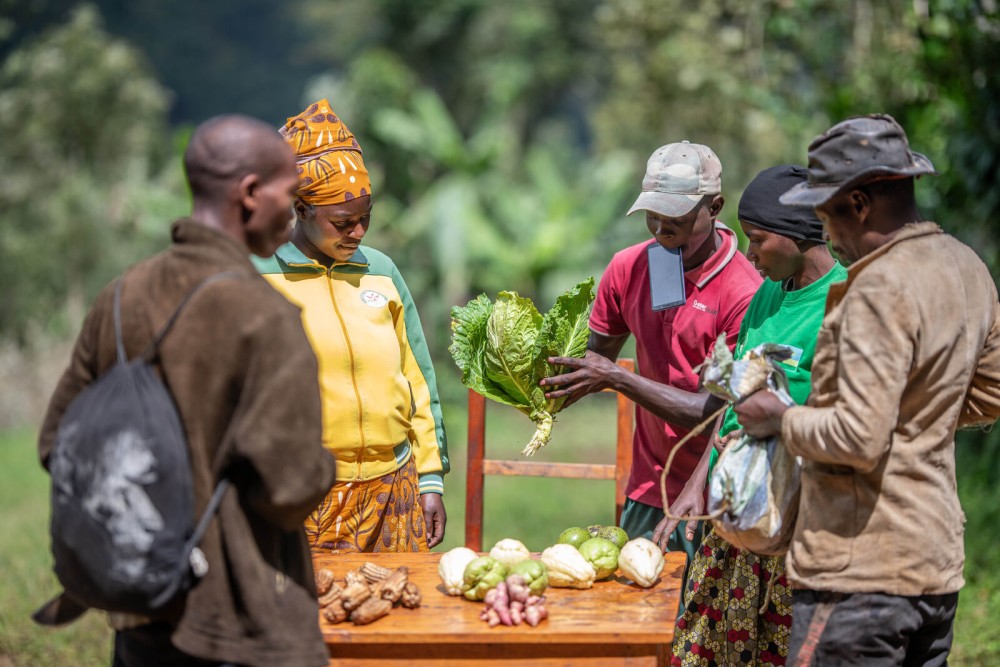
These cooperatives are more than business enterprises. They are bringing the sense of collective ownership innate to the cooperative movement into conservation. They are helping neighbours become partners with the parks, linking people and protected areas in ways that benefit both.
“I thank Nyungwe for supporting Terimbere Nyungwe Cooperative. It has created a strong framework for collaboration between members and the park, making it easier to have more engaged and resilient beneficiaries," says Regis Nyirinkindi.
These cooperatives reflect Rwanda’s strong national framework for community enterprise – one that African Parks is proud to support as a reflection of its mission to conserve Africa’s wild landscapes through community partnership and shared benefit.
13 January 2026