In March 2025, travel guide and blogger Emma Badger visited Iona National Park in Angola and shared her reflections, photographs and a video. Raised exploring Malawi’s wilderness and now leading horseback safaris across Kenya, she’s experienced many of Africa’s iconic landscapes. Yet the wild, rugged beauty of Iona’s coastline left a lasting impression on her.
In the heart of south-western Angola, my journey south toward the mouth of the Cunene River began in the charming port town of Moçâmedes. This town, with its pastel-coloured Portuguese houses, immediately drew me into its history – a reminder of Angola’s colonial past. Today, Moçâmedes functions as a vital hub connecting coastal activities with the inland regions of south-western Angola.
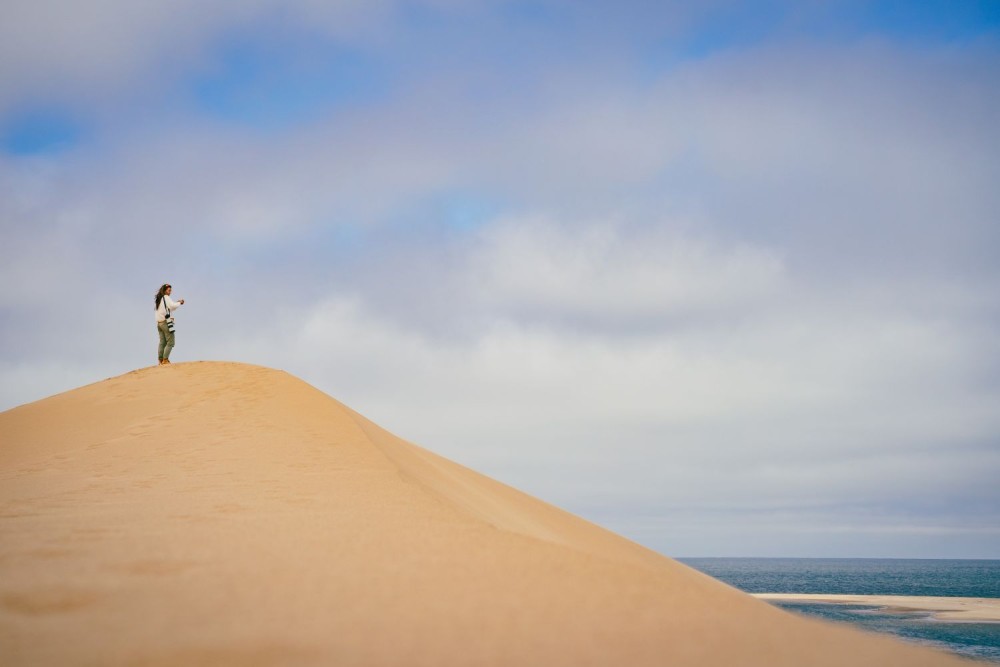
Leaving Moçâmedes, I travelled southward, passing through Tômbua, a small fishing village where we paused to reduce our tyre pressure to better navigate the sandy dunes. The island had been home to a fishing community from the late 1950s until its abandonment in the 1970s – nature has since begun reclaiming it, making it a quiet, intriguing spot for visitors.
Our gateway into Iona National Park was through the newly built Ponto Albino Gate. Established as a reserve in 1937, Iona became a national park in 1964. Over the years, it has endured great challenges. Yet recent efforts, including a 2019 agreement between African Parks and the Angolan government, have fuelled hope for its revival.
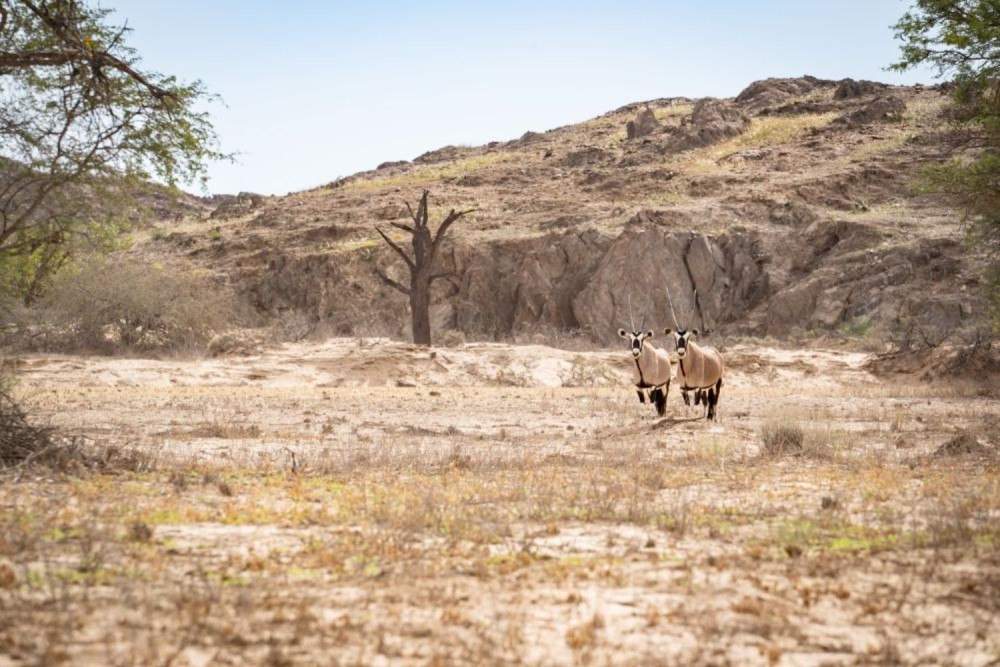
As we ventured deeper, the landscape unfolded before us: vast, shimmering deserts with mirages dancing in the heat. The terrain gradually morphed into rolling sand dunes, shaped by the relentless winds. Along the way, we discovered verdant oases, perfect for grazing animals like the oryx.
Driving along this coastal stretch, where the tide comes in only every few weeks, demanded precision and patience. Pedro Monterosso, the park manager, and guide and driver Mauro Michel – who grew up in Angola’s Namibe province and has been involved in the project since its inception – guided us safely across the shifting sands and tumultuous waters, expertly avoiding driftwood carried by the ocean.
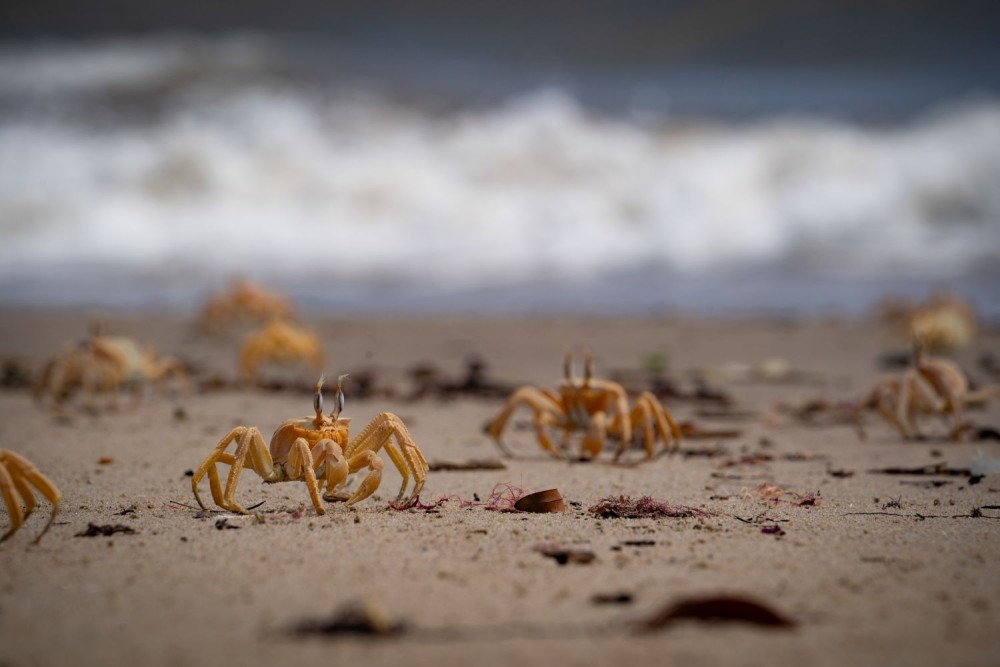
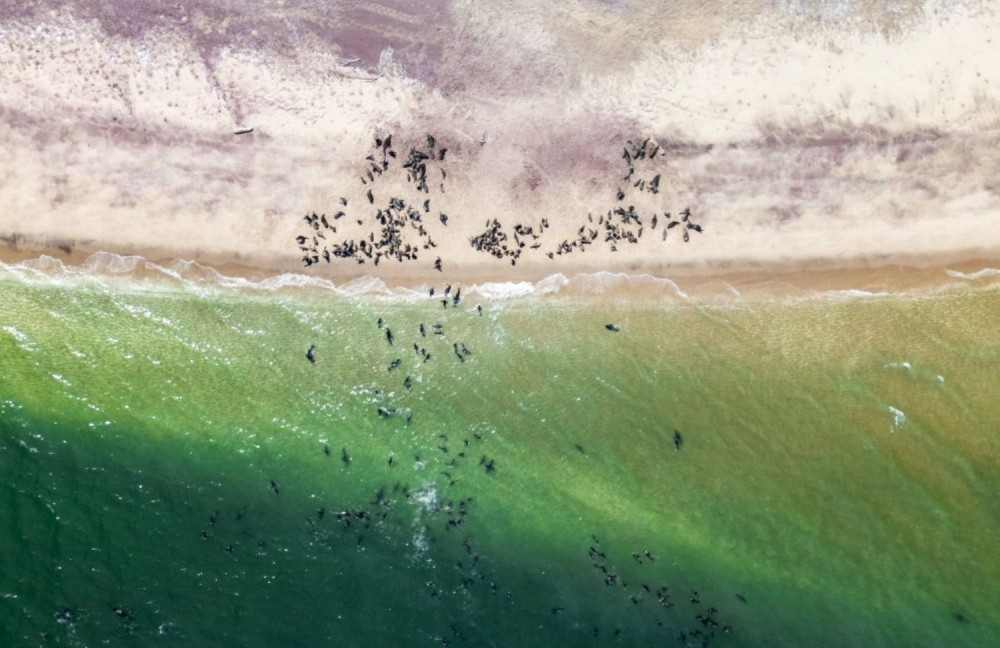
This coast teemed with life: colonies of seals, thousands of crabs scuttling along the shore, and flocks of greater flamingos on every peninsula. Overhead, pelicans and cormorants soared effortlessly, above migrating Southern Right and Humpback whales. The waters are alive with marine species, and it was evident almost immediately that Iona’s biodiversity is remarkable and worth protecting.
As we approached the Cunene River’s mouth, signs of scavenging appeared – black-backed jackals feeding on seal carcasses, and fresh tracks suggesting the elusive brown hyaena was nearby. Scattered whale bones on the dunes served as stark reminders of the vital feeding grounds this region offers.
After several hours exploring the coastline and watching the birdlife, we reached the police outpost at Foz do Cunene. Here, the river meets the Atlantic, a striking mix of clear blue waters and rushing, sandy currents. Heavy rains earlier in the year had increased the river’s flow, so we didn’t spot any crocodiles or turtles, but the scene was nonetheless powerful.
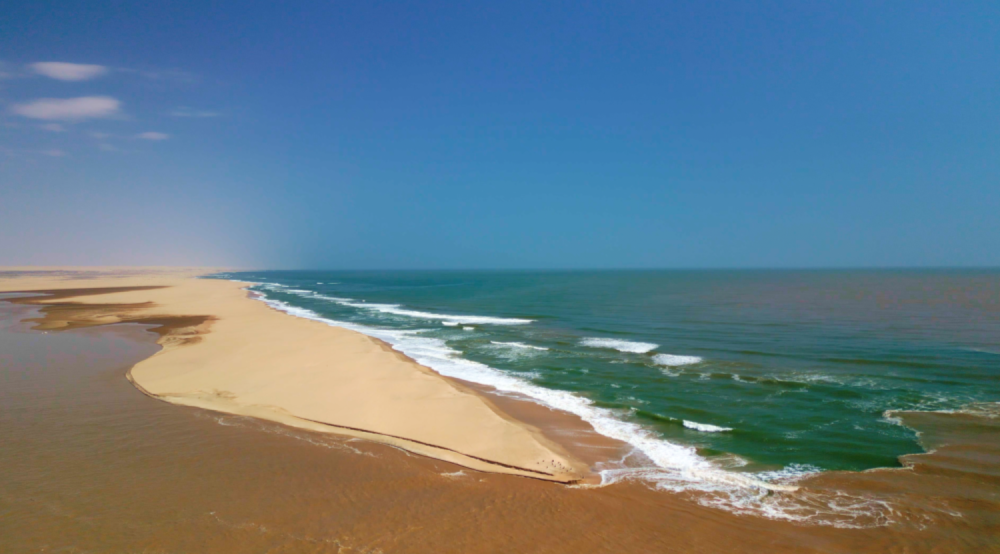
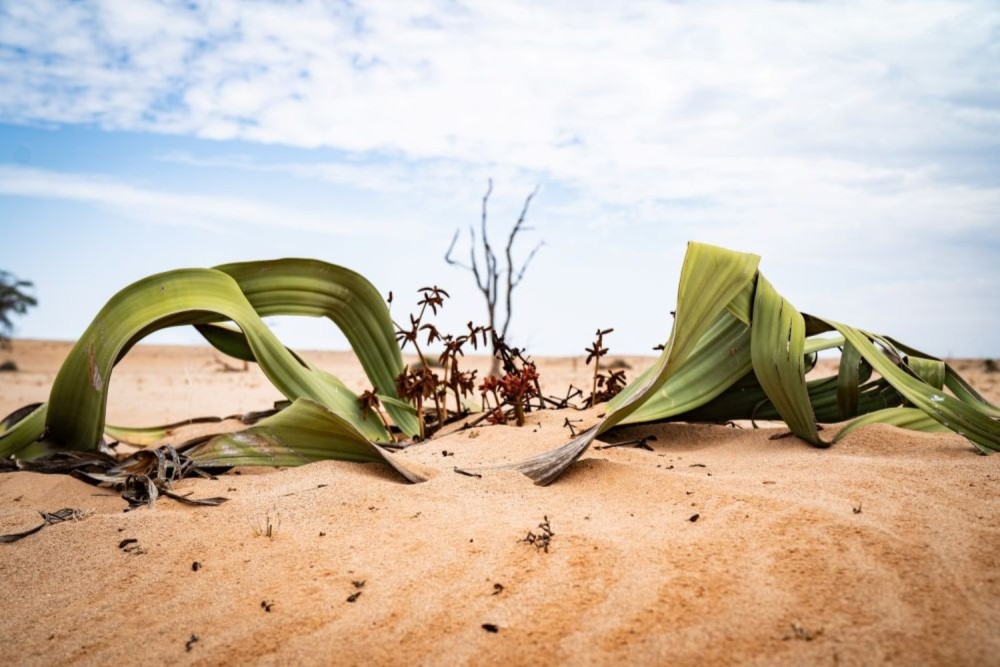
The interplay of river and ocean sustains this vibrant ecosystem, especially with the cold Benguela Current bringing moist air that nurtures hardy plants like Welwitschia – plants I was eager to see. Seeing my first Welwitschia in the wild filled me with awe; by the end of my ten days in the park, I had encountered thousands of these ancient plants.
We paused to observe springbok and a thriving group of oryx with their calves, grazing in the marshlands near the river’s mouth. Then, I took a quick detour to visit an old, abandoned water station built in the 1960s, once used to pump freshwater from the Cunene River to service Tiger Island’s sardine factory.
That evening, we descended a steep sand track to a spectacular camping spot on the riverbank, with Namibia’s Skeleton Coast just across the water. Surrounded by a vast, star-filled sky and sheltered by a large cave that retained the day’s warmth, I reflected on the day’s adventures. The stark wreck of an old Ford sedan on the roadside told stories of Angola’s turbulent history – evacuations during the Civil War, makeshift crossings – reminders of a past that has shaped this landscape.
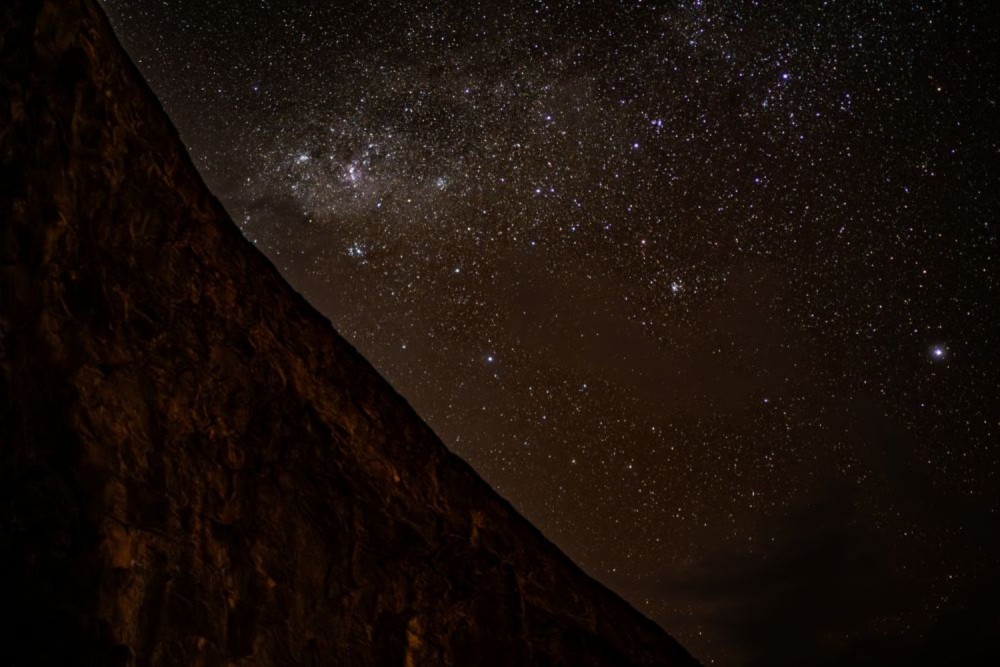
Camping in the oldest desert in the world was a humbling experience, and as I lay there listening to the sounds of the wilderness, I felt a profound connection to this rugged and largely untouched corner of Africa. The wildness of Angola’s coast, with its extraordinary biodiversity and deep history, has left a lasting impression – one that I know will stay with me for years to come.
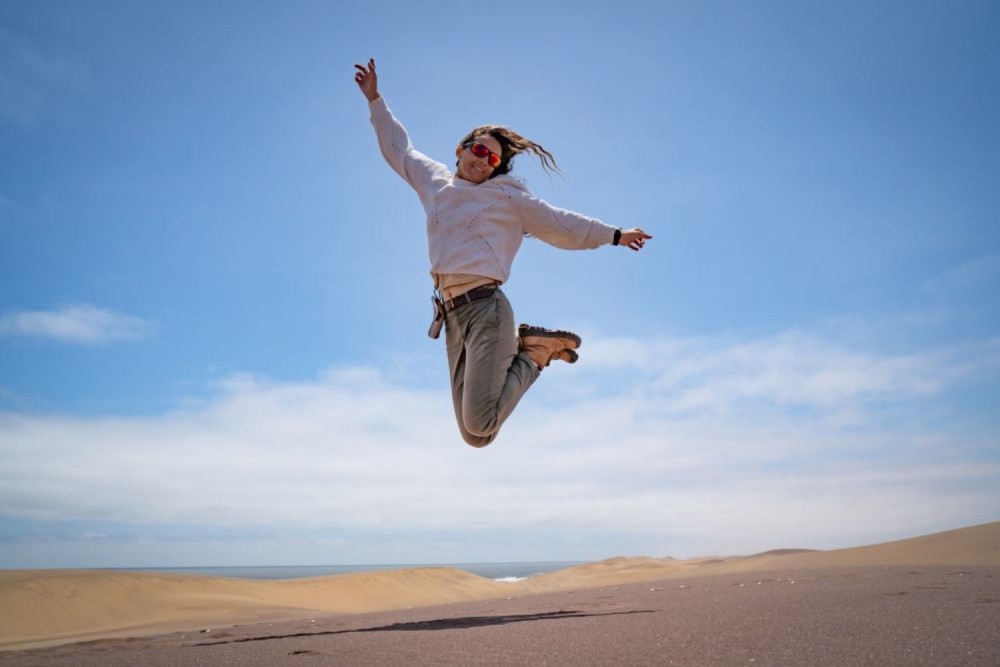
In reflecting on this journey, it’s clear that Iona National Park is not only a sanctuary for diverse flora and fauna but also a testament to the resilience of nature and the importance of conservation. This was a wilderness that challenged my perceptions and renewed my appreciation for Africa’s often overlooked gems. For anyone craving true adventure and raw beauty, I strongly encourage exploring this rugged coast – an experience that’s as wild and authentic as the landscapes it preserves.
1 July 2025 - Emma Badger, Travel Guide & Blogger
Below, Emma captures the raw beauty, biodiversity, and dynamic energy of the coastline, narrated by driver guide Mauro Michel.