Born in the West Ennedi region of northern Chad, Issakha Gonney Guirki was forced to flee his home as a child due to the Chadian-Libyan war and leave behind the landscapes and desert night skies that inspired his love for nature.
The same conflict that uprooted his family had a devastating effect on local wildlife - but now Issakha’s story has come full circle: he has been able to return to Ennedi and play an active role in the restoration of the ecosystem and the reintroduction of key species.
Issakha’s chosen career was not a conventional one. He recollects that he was under some peer group pressure to choose a different path, given that he had already studied physics and mathematics. However, he was convinced that the country’s greatest treasure was its ecosystems and the wildlife they contained.
“I have this love for conservation and for nature,” explains Issakha, “Where I come from, we don’t have big, nice buildings, but at least we have nature that we can care for and conserve,” he adds.
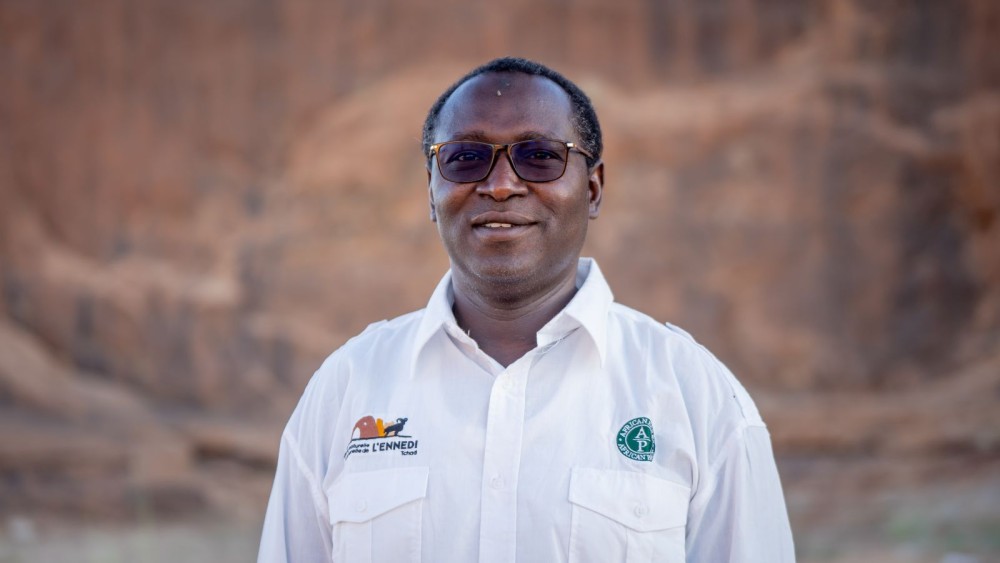
Appointed by the Chadian government as Delegate for the Environment in Ennedi, Issakha contributed to the successful inscription of the Ounianga Lakes and the Ennedi Massif on UNESCO’s World Heritage List in 2012 and 2016, respectively. Following the formalisation of the management partnership between African Parks and the Government of the Republic of Chad in November 2017, Issakha was appointed Deputy Director of the Ennedi Natural and Cultural Reserve and, in 2022, was promoted to his current role as Director.
“For me, it’s with great pride that I can contribute to all that you can see nowadays thanks to the support, the expertise of African Parks, and also to the generosity of the Chadian Government.”
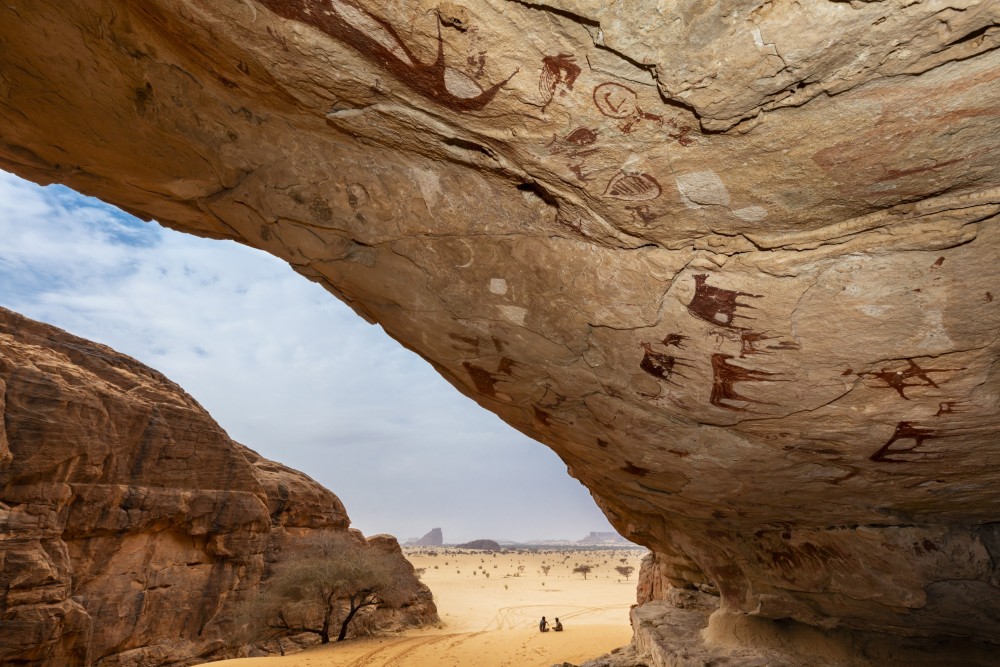
Much of Issakha’s role is focused on helping restore and conserve Ennedi’s ecosystem and heritage – such as the many cave art sites in the reserve – as well as on the ongoing efforts to reintroduce extirpated (locally extinct) species. “African Parks has this vision to restore the ecosystem and bring back these species who disappeared in this area, including taking the first steps to reintroduce addax in 2023 and the red-necked ostrich in 2021 and 2022.”
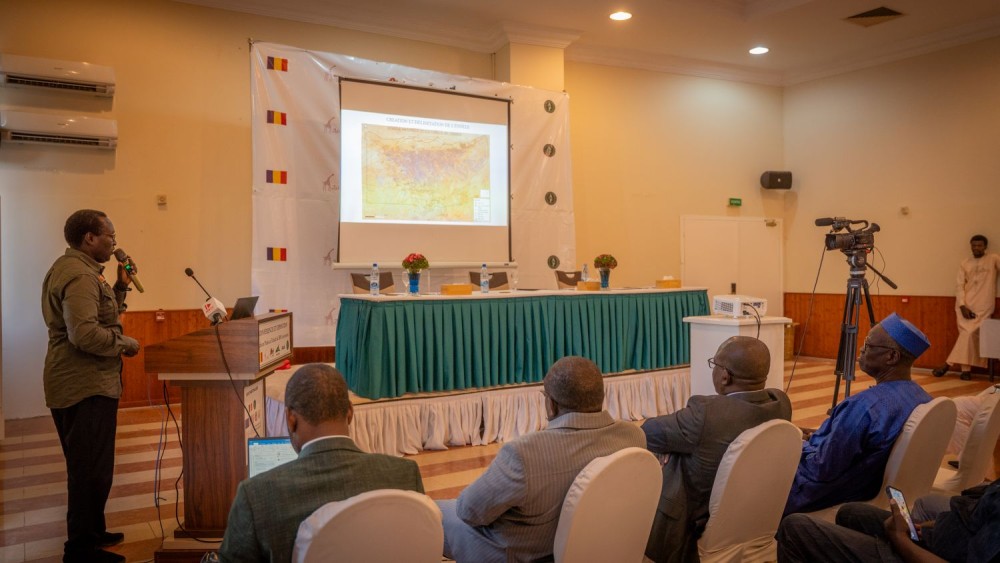
Around 30,000 people live in the ENCR, including semi-nomadic herding groups who travel with their livestock across the massif. These communities play an integral role in Ennedi’s conservation where the commitment of local people is essential to ensure the long-term protection of the landscape. This is why Issakha and his team give special importance to conservation and environmental awareness, through developing comprehensive environmental education programmes and socio-economic initiatives. He’s convinced that he is working for today’s youth, and that the best possible legacy of his passion for Ennedi will be to inspire the next generation of Chadian conservationists and reserve managers.
“I always encourage the youth of Ennedi to continue to conserve and to participate actively alongside African Parks for the restoration of the ecosystems for future generations,” explains Issakha.
21 May 2025