Garamba National Park offers a practical example of how conservation and local development can reinforce one another. Through environmental education, sustainable livelihood initiatives and community-led programmes, the park is helping create opportunities for neighbouring communities while supporting the long-term conservation of the landscape.
Garamba National Park currently employs 518 national staff, of whom 362 come from surrounding communities, representing 70% of the total workforce. This strong local integration reflects the park’s commitment to neighbouring populations.
Learning and Leadership
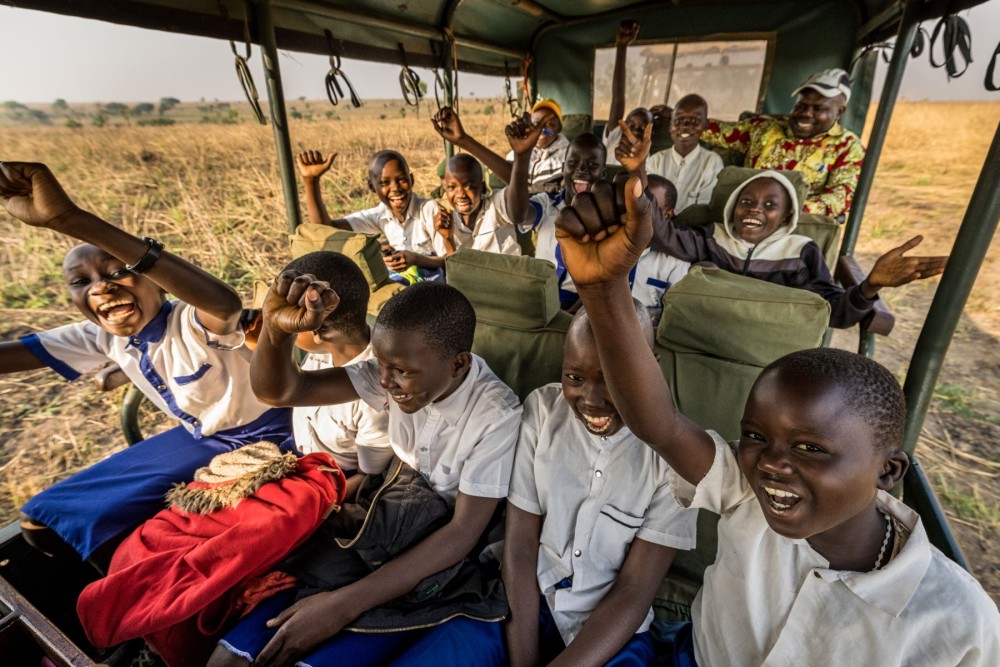
Each year, the park opens its gates free of charge to schools from neighbouring villages. Around 1,500 pupils take part in educational outings, boarding park vehicles for experiences that turn classroom theory into lived experience: wildlife observation, ecosystem discovery, and awareness of the importance of conservation. These young “nature ambassadors” bring their learning home, encouraging conversations about the sustainable use of natural resources.
The value of these programmes is also recognised within the education sector. As Djabir Assani Alfred, Provincial Director of National Education and New Citizenship for Haut-Uélé II, explains: "Taking students to visit the Park stimulates in them a love for nature and for the park. The environmental education activities carried out in schools allow them to improve their understanding of environmental issues and to learn sustainable practices from an early age."
The education goes beyond schoolchildren. Women, youth, customary leaders and elders also take part in awareness sessions and recurring dialogue committees that help strengthen local governance and community ownership of conservation measures.
Supporting Livelihoods
On the agricultural front, Garamba has rolled out a network of Farmer Field Schools that has certified hundreds of farmers in agroecological practices. These hands-on training initiatives include raised-bed cultivation, intercropping (maize, beans and soy), soil-conserving techniques and a gradual move away from slash-and-burn agriculture. Together, these approaches have improved yields while reducing pressure on natural habitats. Trained farmer-relays then share these practices across their villages, creating a multiplier effect that extends beyond the park's boundaries.
For Marie Noelle Lafayo Agiko, a farmer trained through the programme, the impact has been tangible. "I produce a variety of vegetables throughout the year. The profits allow me to send five children to school and have also enabled me to start raising chickens and goats." Today, she also shares these techniques with twelve other farmers in her community, helping to extend the benefits beyond her own household.
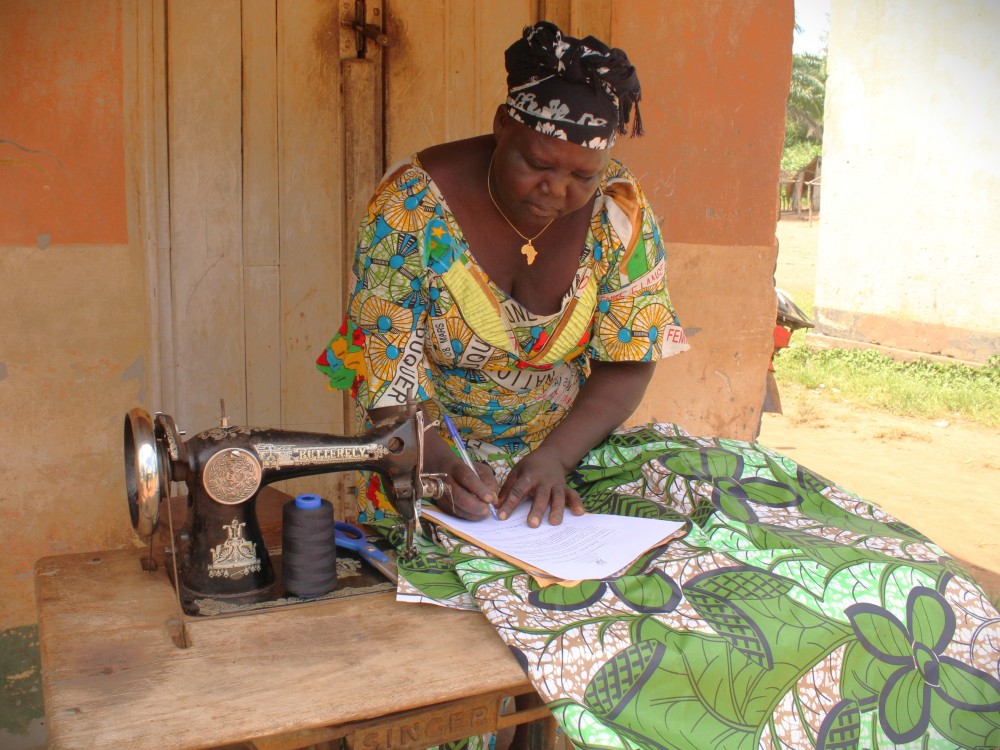
Similar benefits have been reported by other farmers participating in the Farmer Field Schools. Esperance Dedebha explains: "Not only do these techniques save me time, but they also allow me to improve my production and harvest a diversity of crops each season." The additional income has enabled her to support her household, send six children to school and purchase a sewing machine that has further augmented her livelihood.
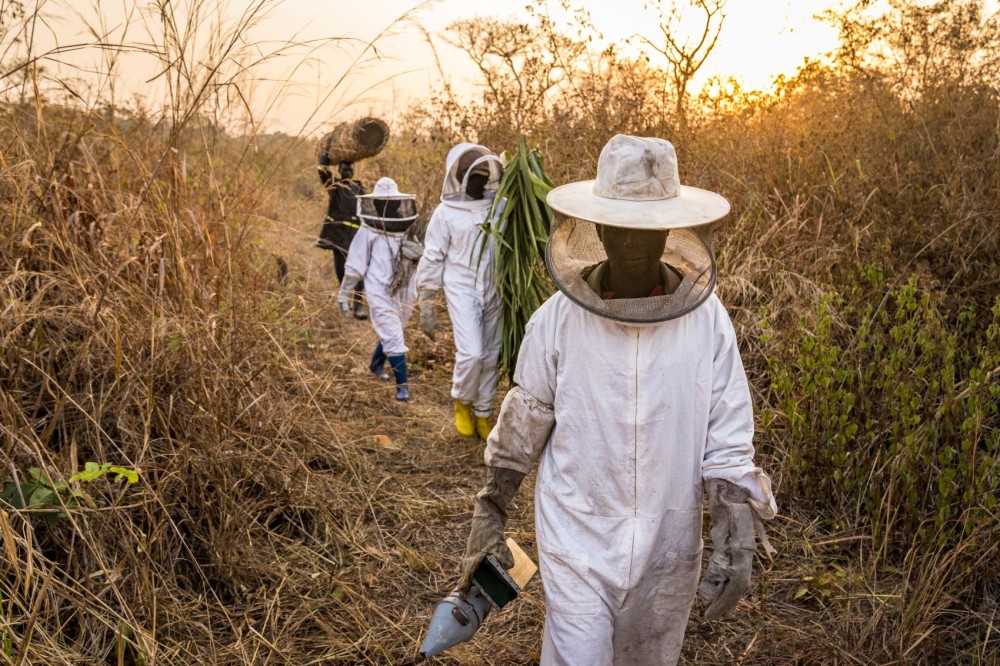
Sustainable beekeeping has become another source of income for the local economy. The introduction of modern hives and demonstration apiaries has professionalised a traditional activity, increased colonisation rates and secured honey production. Certified beekeeper-relays now teach methods that protect colonies and reduce risks from bushfires. Local honey processing and the prospect of a commercial label promise new market opportunities, while bolstering crop pollination and the resilience of farming systems.
Family-scale fish farming, developed as a sustainable alternative, demonstrates the park's capacity to offer practical solutions to food-security challenges. The construction of collective and individual ponds around the park has enabled hundreds of households to raise fish, improve food availability and diversify incomes. By reducing dependence on wild resources, these aquaculture projects are helping secure the natural resources on which communities and wildlife depend.
Strengthening Communities
Mobile clinics and integrated outreach have extended to remote communities with little access to healthcare. Each visit combines basic medical consultations and essential medicines with targeted awareness sessions on health and environmental issues, using practical messages tailored to local needs.
Alongside this, work with judicial and prosecutorial actors is supporting the enforcement of environmental law – building consistency in prosecutions and creating a more secure environment for both people and wildlife. Together, these programmes form part of a comprehensive strategy that links safety, health and infrastructure.
Finally, the park has invested in essential infrastructure such as schools, clinics, roads and mini solar grids which is helping to stabilise living conditions and improve access to services.
All these achievements help make the park an anchor of regional stability where biodiversity conservation and human wellbeing advance hand in hand.