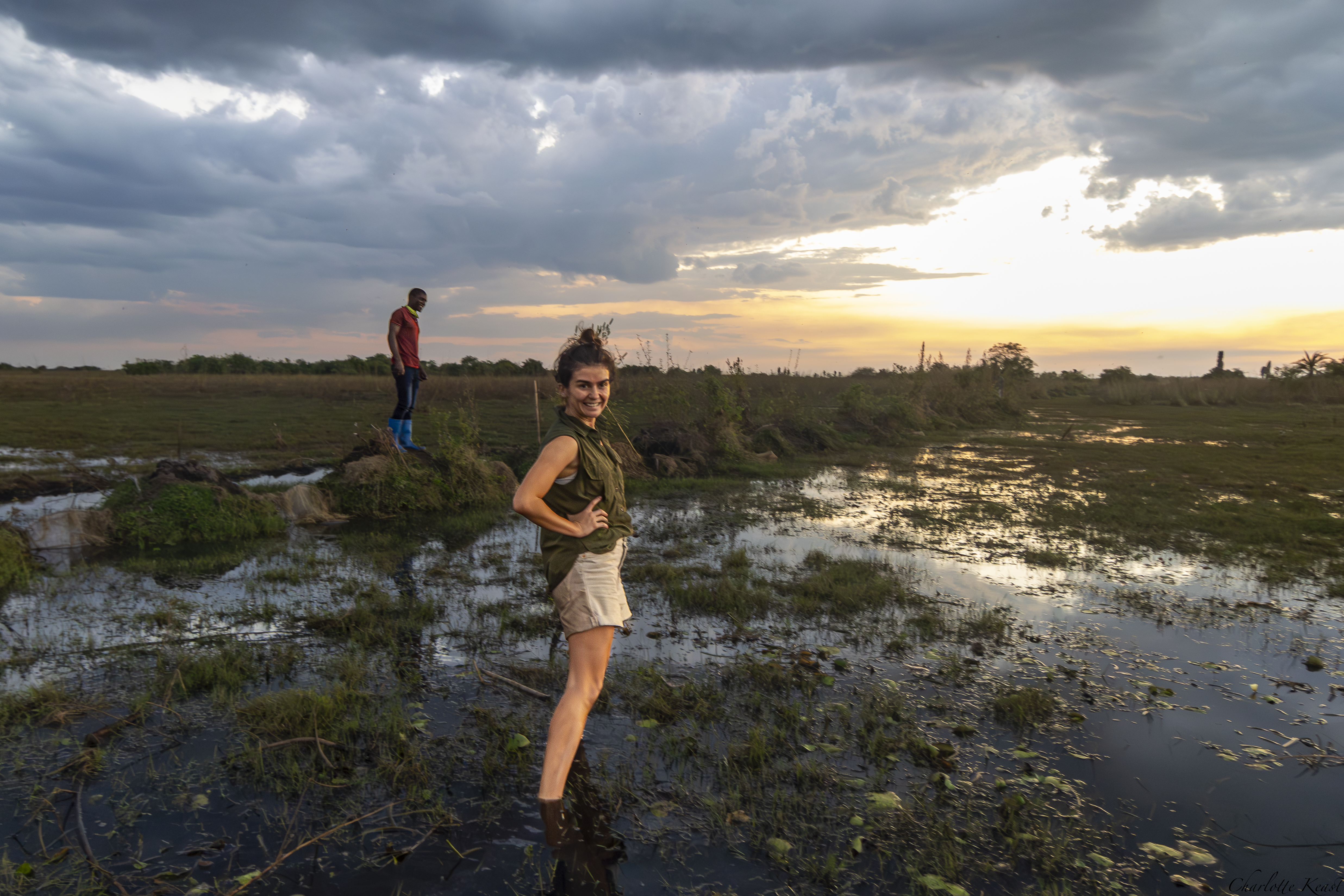
About the Author
Charlotte Keast
Where the Water Meets the Sky
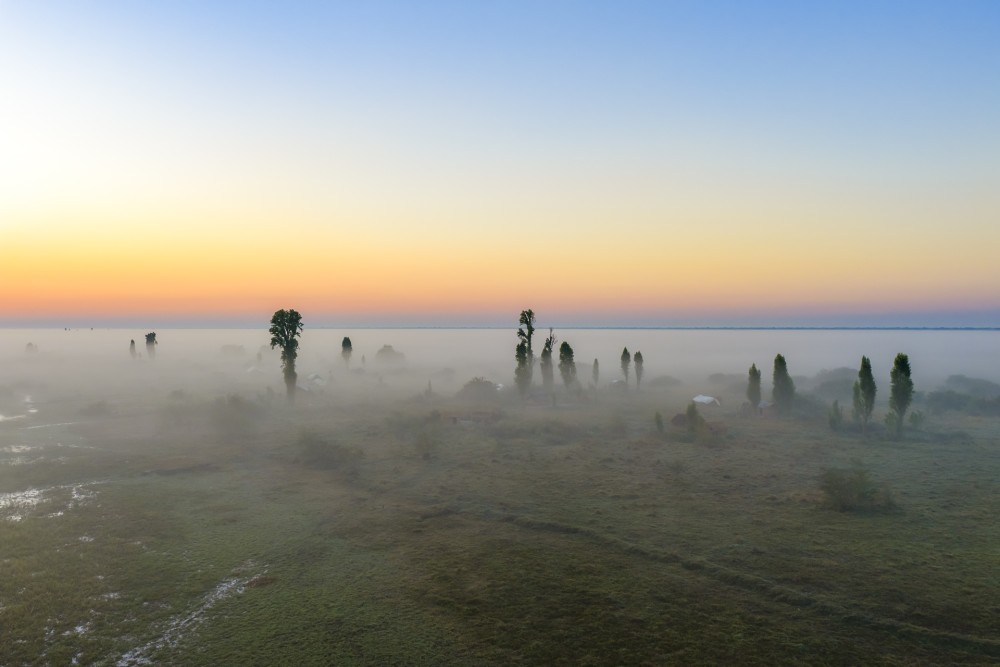
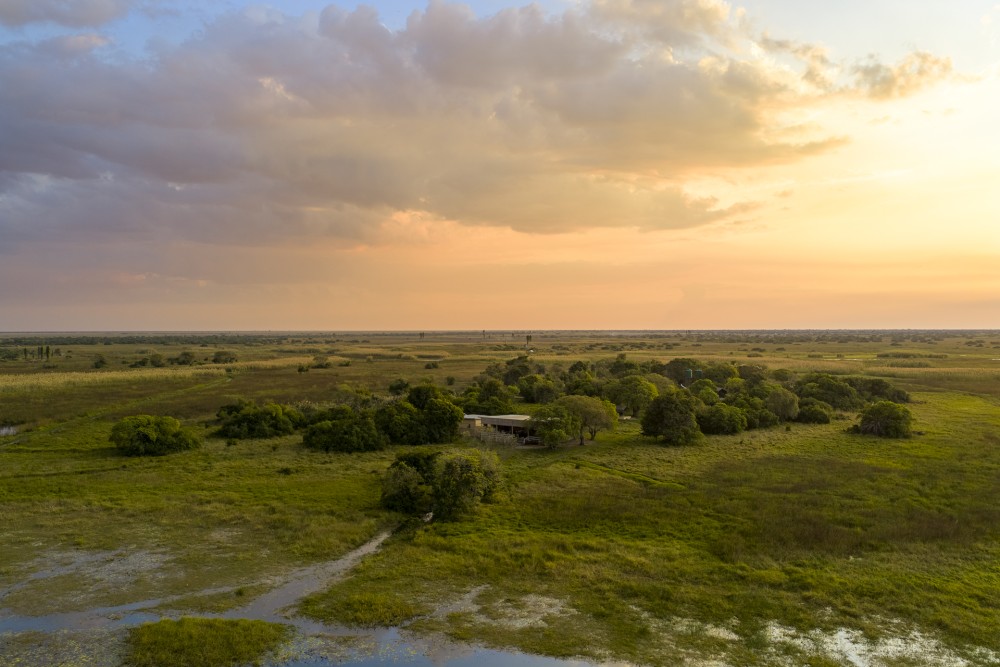
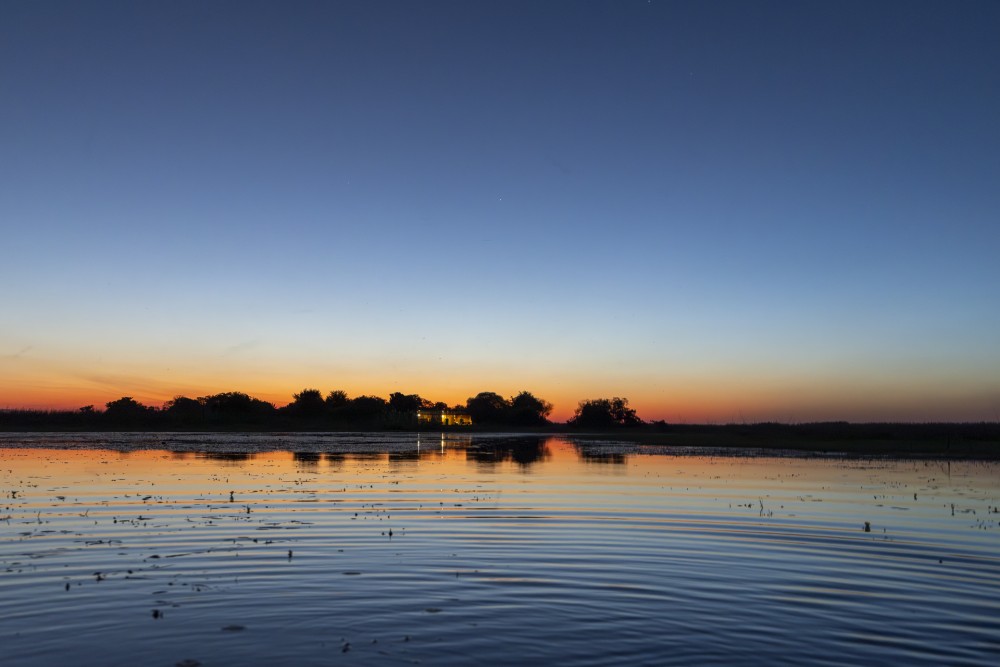
Visiting Bangweulu Wetlands I expected water and wildlife, but I didn't expect such diversity of landscapes and livelihoods woven together. Across 6,000 km² in north-eastern Zambia, the landscape shifts with the seasons: open water, floodplain, papyrus and pockets of miombo woodland.
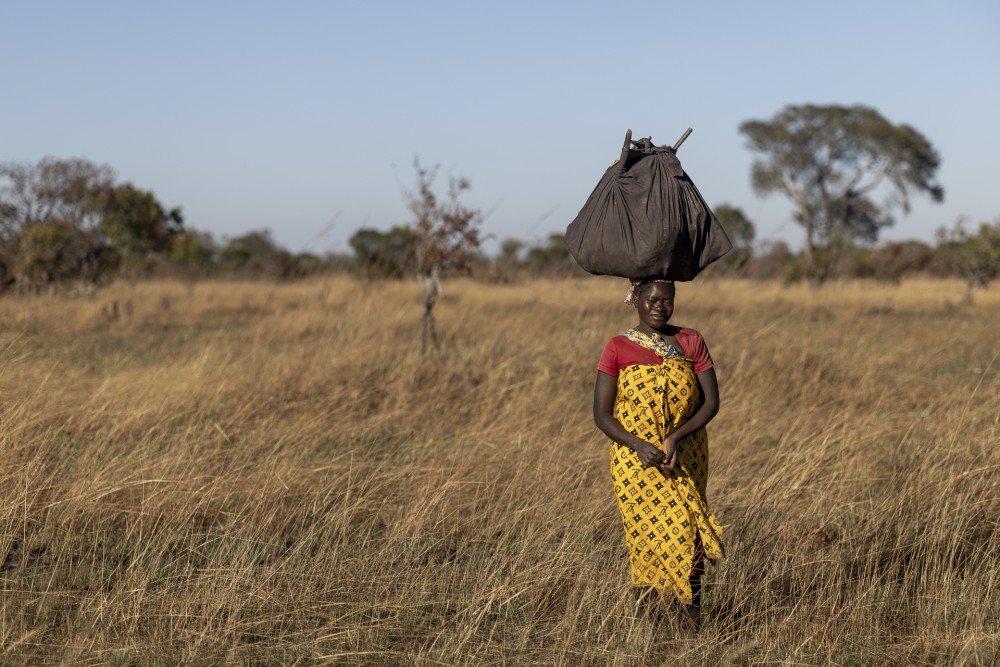
Around 60,000 people live within Bangweulu and continue to fish, farm and gather there, as they have for generations.
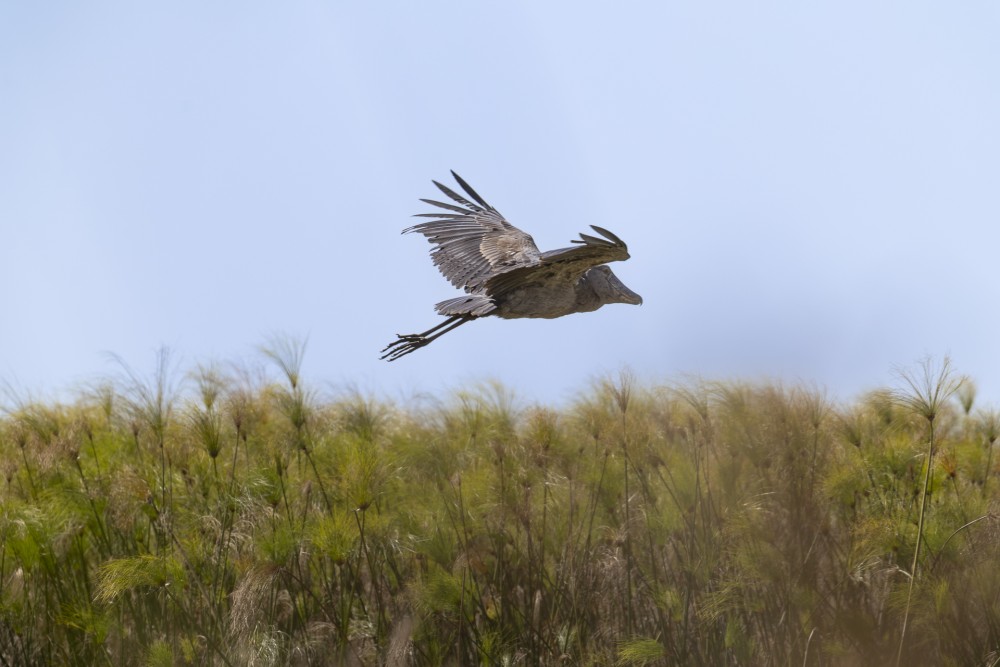
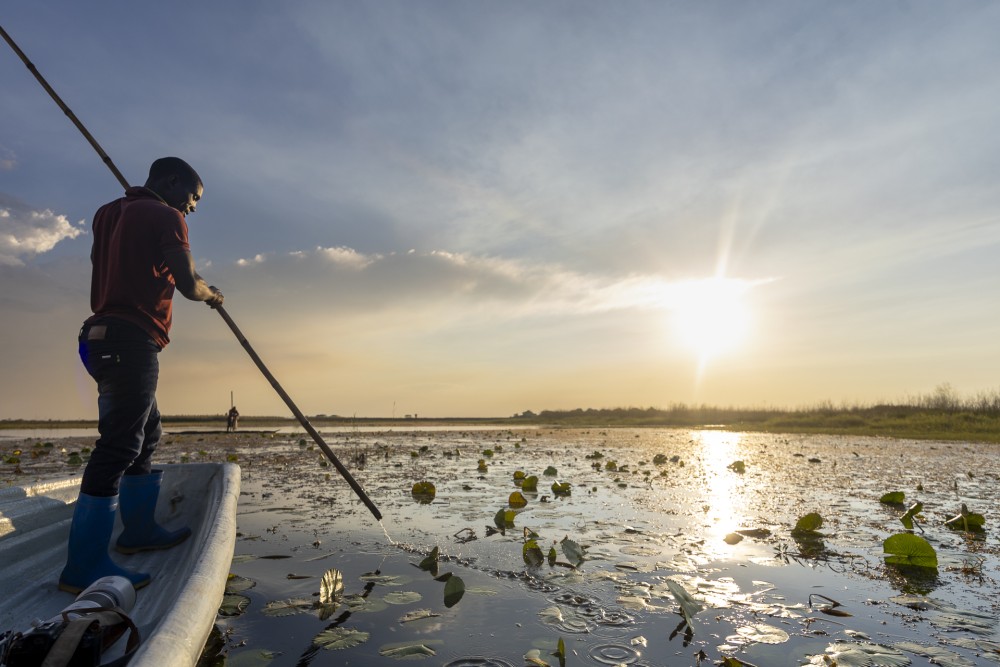
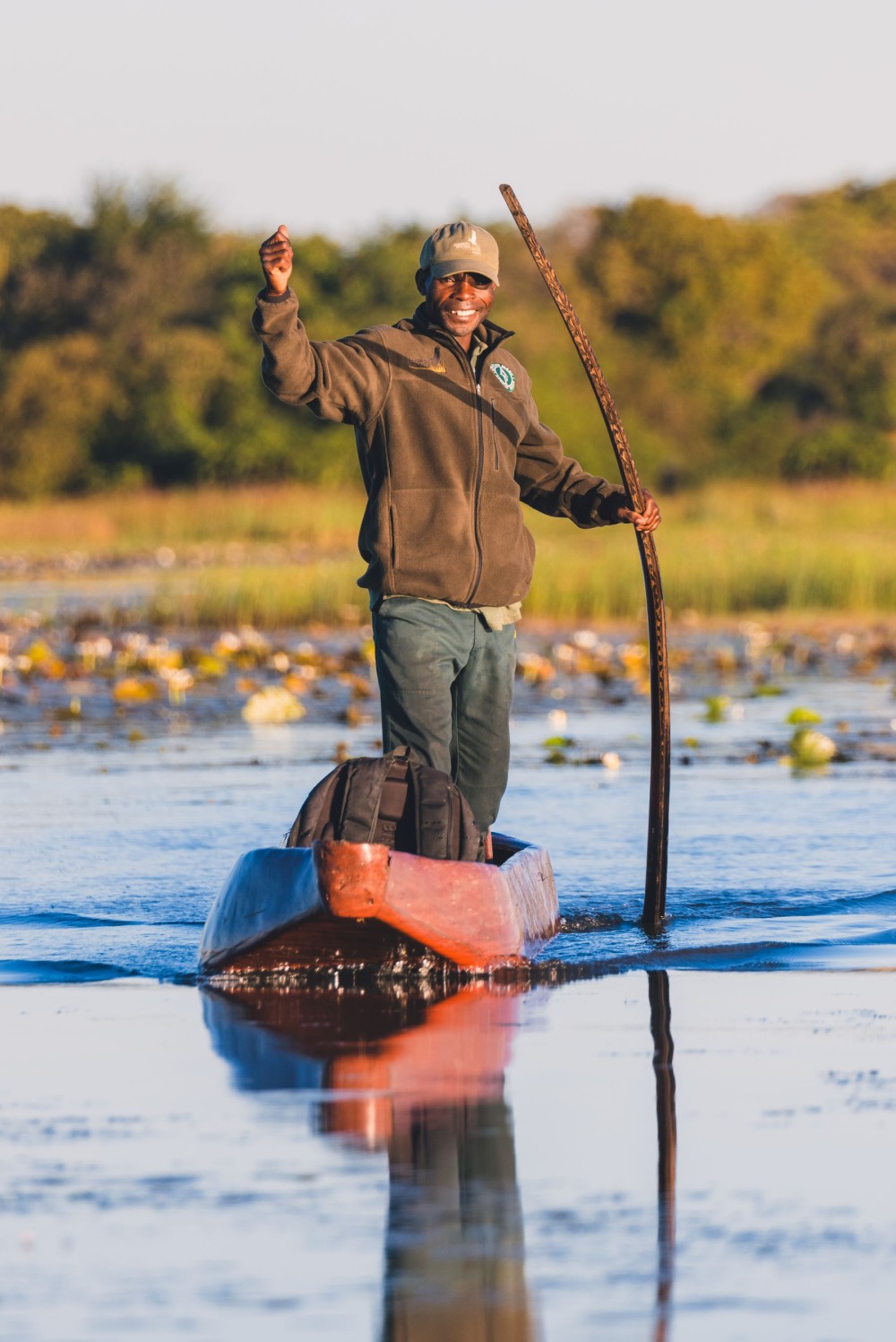
Spending every day on a mokoro let me see that breadth firsthand: a shoebill gliding overhead as a fisherman pulled his catch from a weir below. A few days later, fish from the same channels appeared at a market in town.
The following images follow those connections: the water that shapes the place, the wildlife it supports, the communities who depend on it, and the conservation work that links them.
Biodiversity in the Floodplain
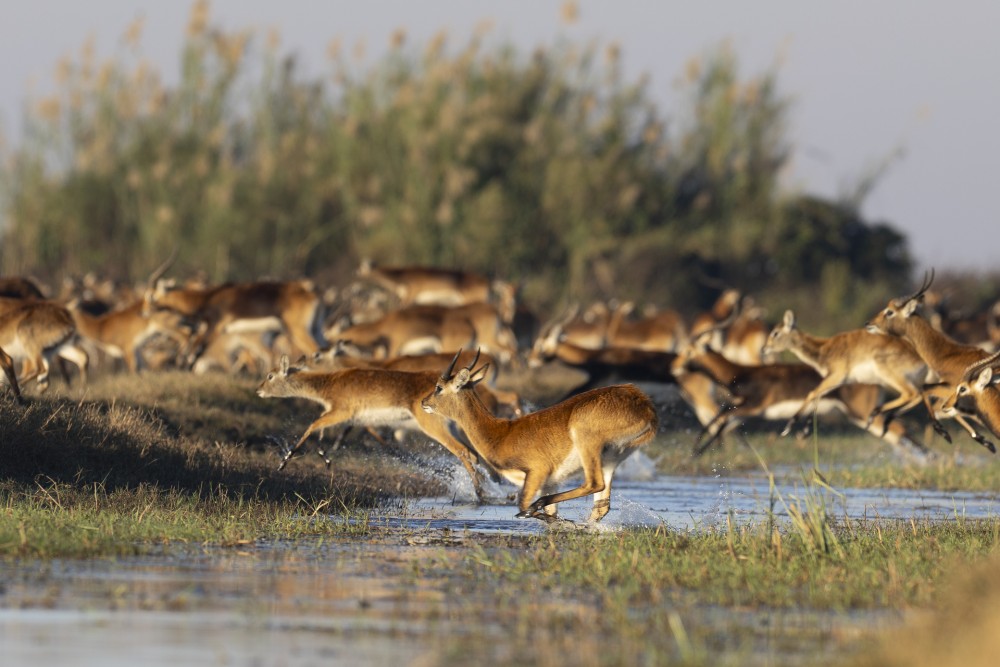
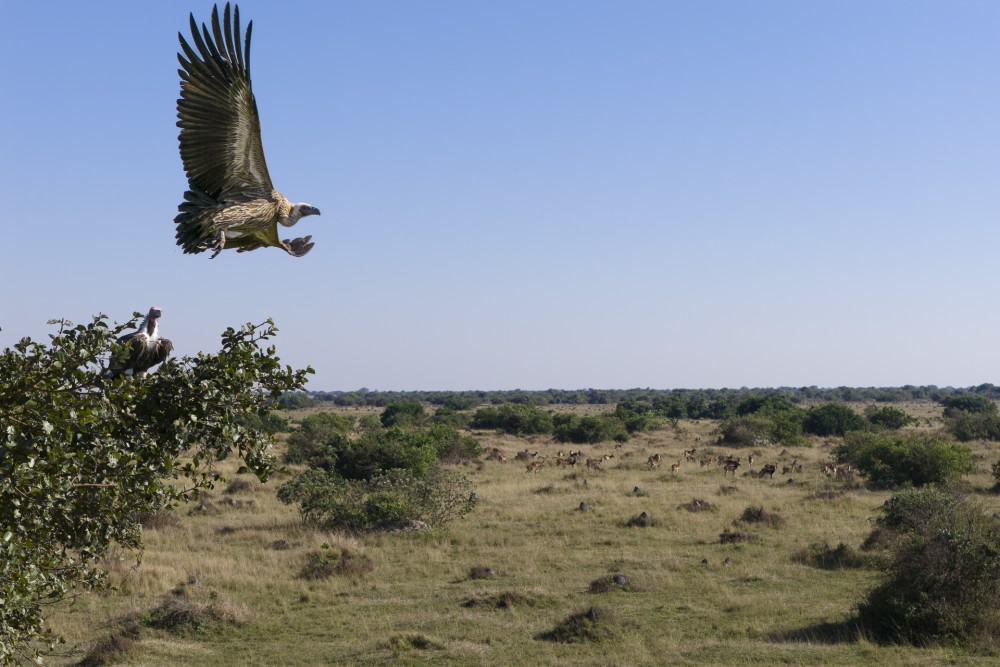
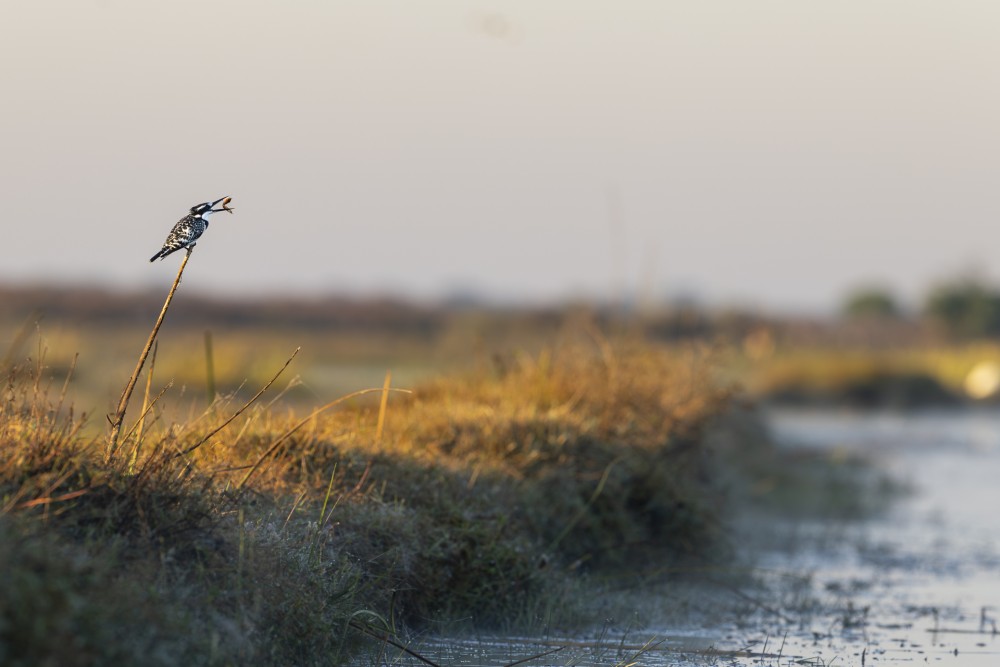
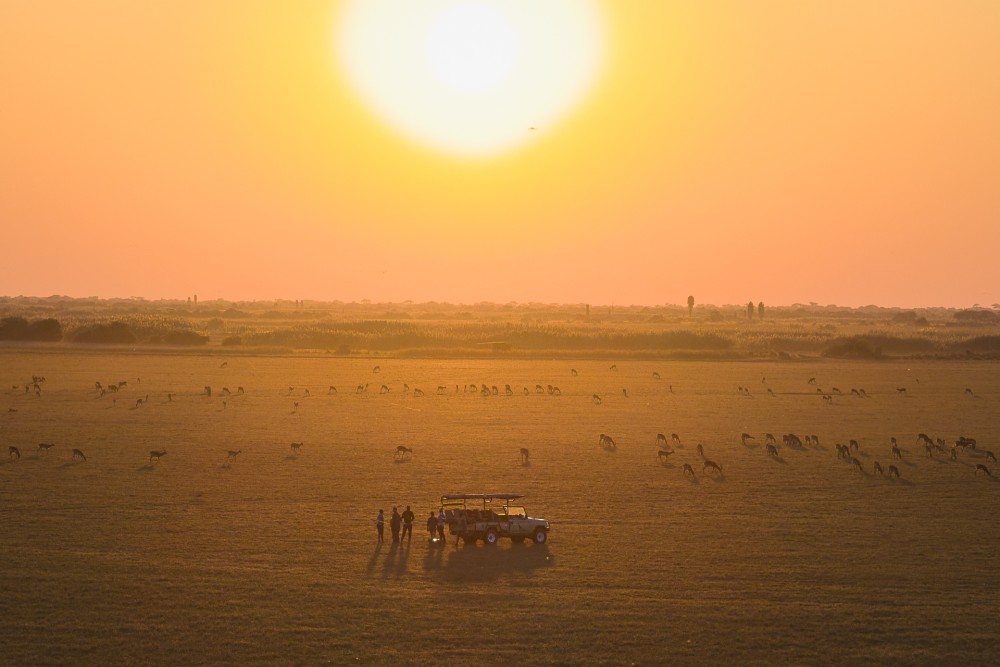
Bangweulu supports more than 400 bird species and the endemic black lechwe, an antelope found nowhere else in the world. Herds of lechwe move across the floodplain with the changing water levels, making them one of the most recognisable sights in the wetland. A shoebill involves more of an expedition to find, but is just as closely tied to the same system of channels, papyrus beds and seasonal flooding. For many visitors, the shoebill is the draw, but in time the wetland reveals the wider picture: vultures, kingfishers, wattled cranes and other waterbirds are seen daily in the channels.
Working with the Water
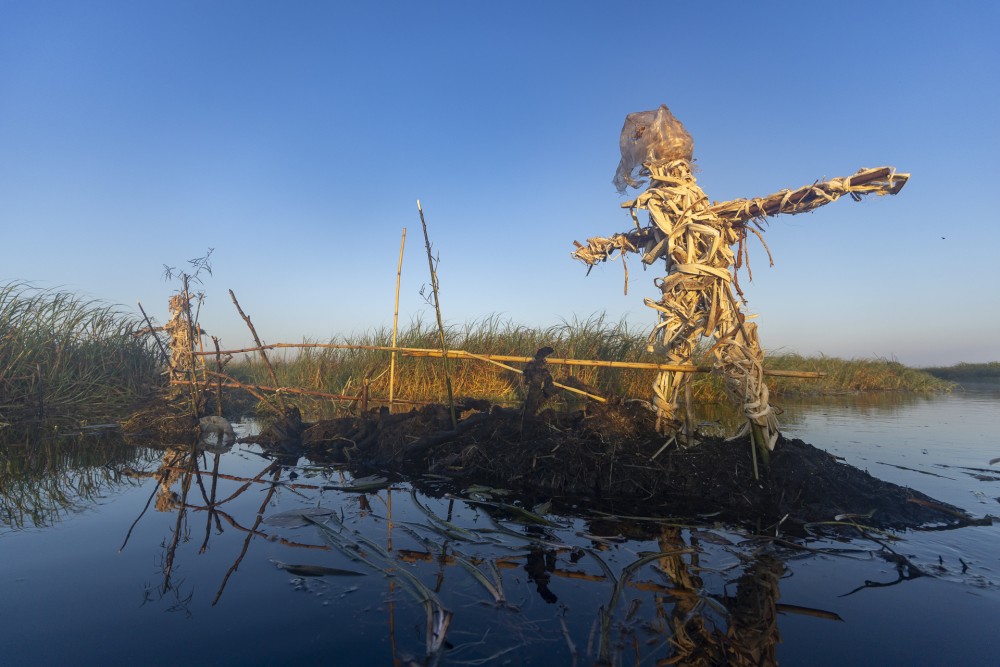
Bangweulu is a Game Management Area, not a national park. This means families living within it can move with the seasons, reading water levels and channels to know where to fish. Traditional weirs built from reeds and mud still guide fish into traps, while straw figures are placed nearby to keep birds away from the catch.
Fishing is both work and knowledge. For fishermen like Lloyd Mwila, who lives in the fishing camp beside Shoebill Camp, the wetland is read by depth, current, season and channel. The same knowledge also supports tourism, with local fishermen often helping visitors and guides find shoebills and move through the water safely.
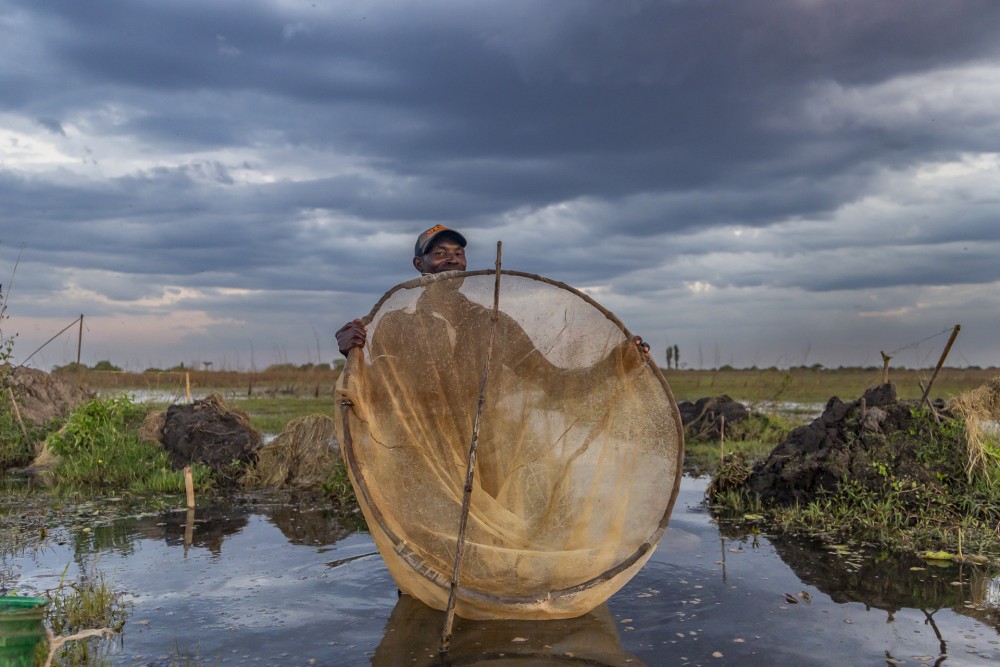
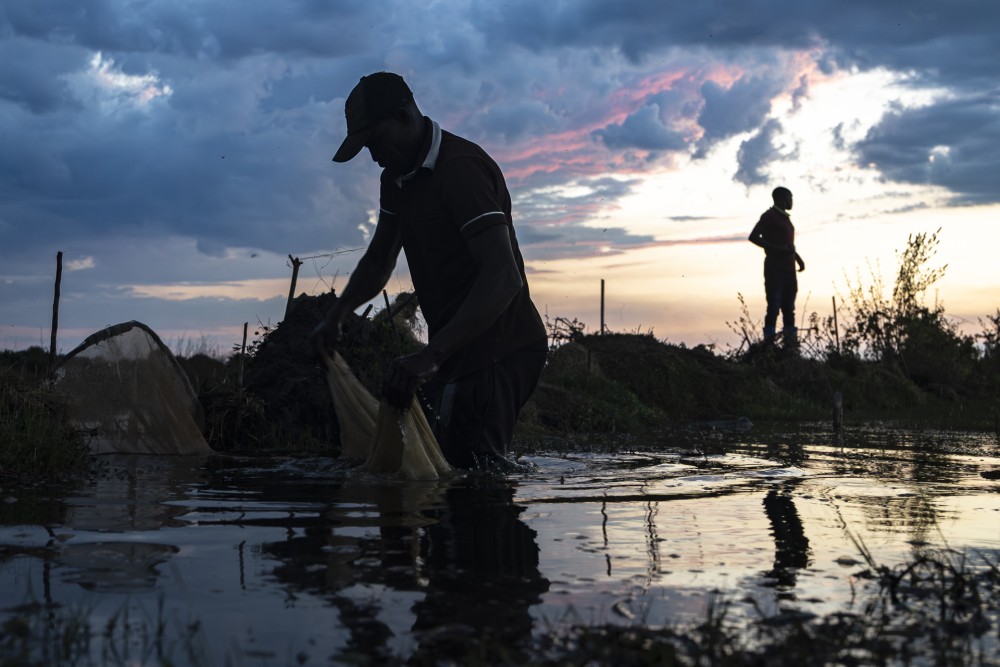
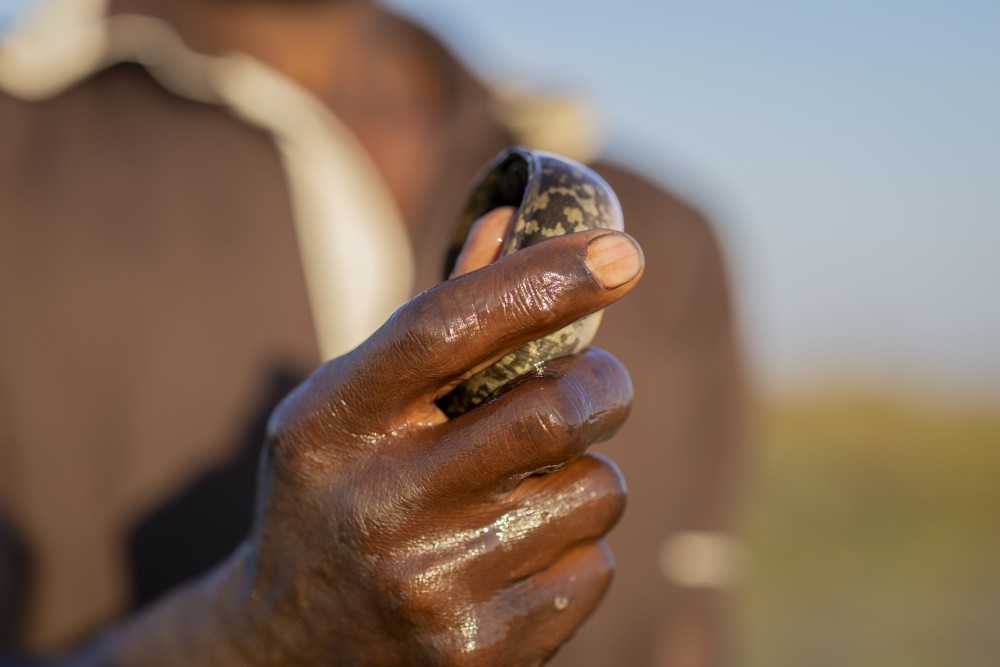
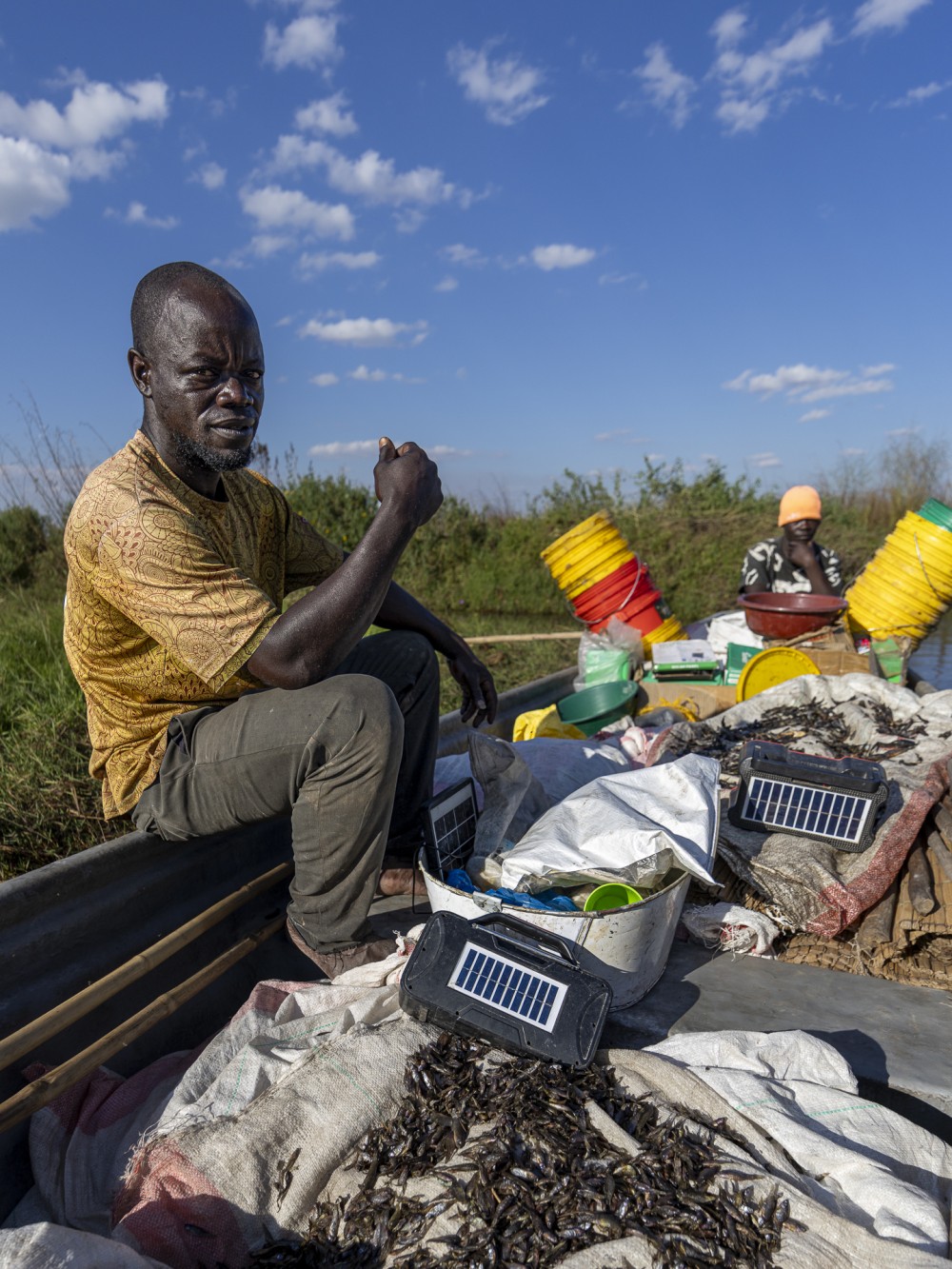
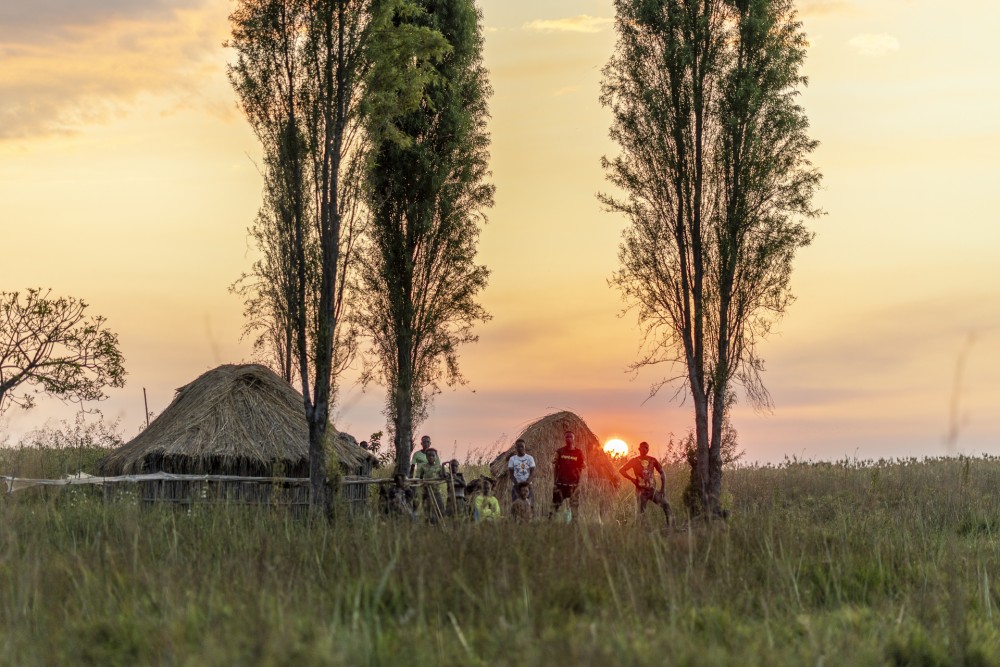
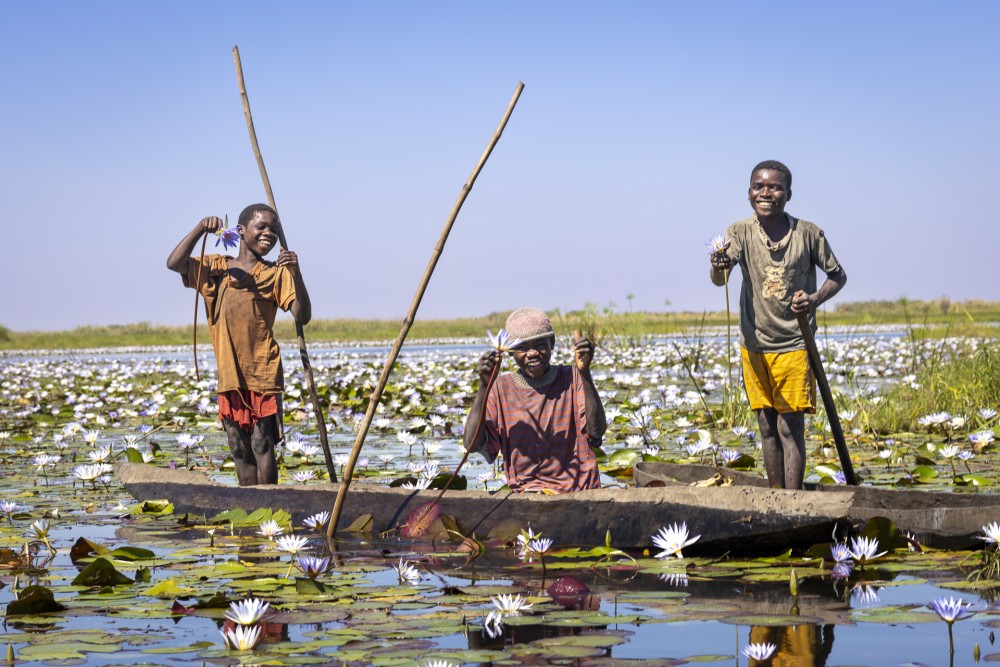
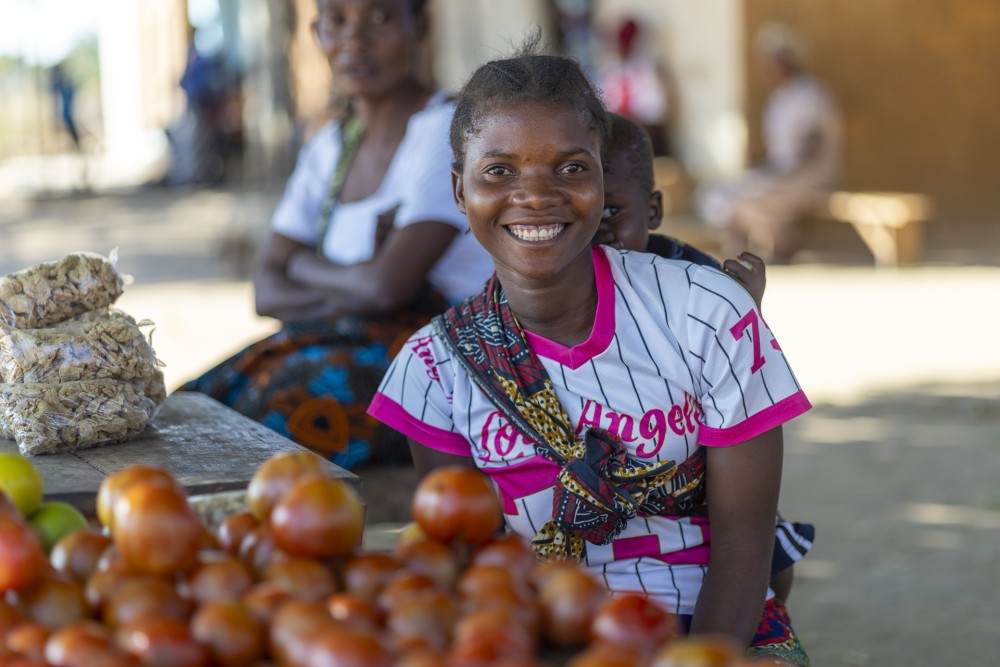
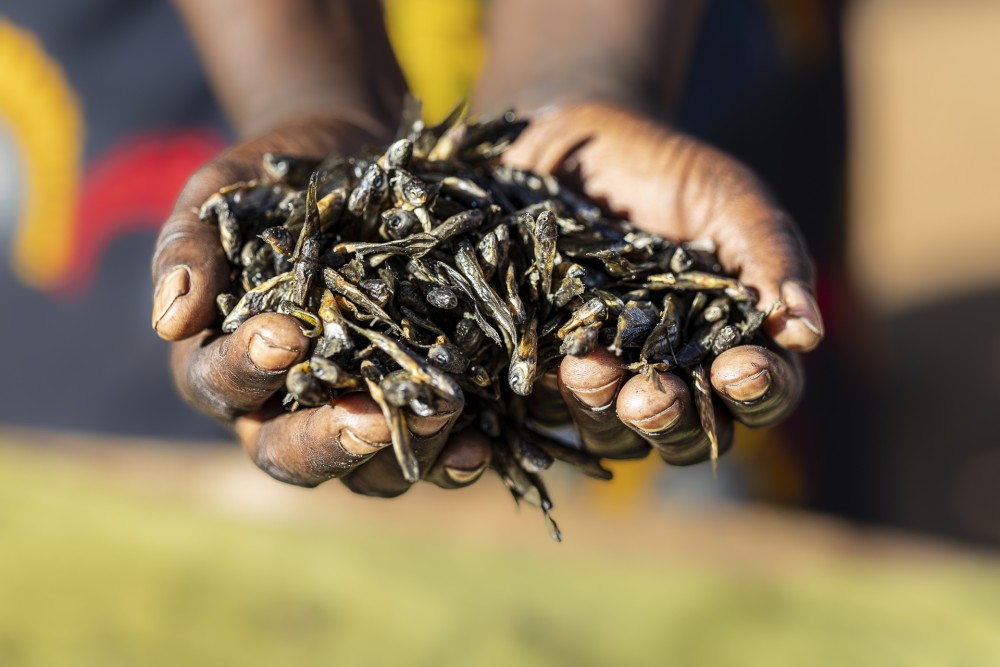
In Chiundaponde, dried fish is sold alongside tomatoes and household goods, feeding a local economy that runs with the rhythms of the wetland.
Beyond the Fishing Season
Since 2008, African Parks has managed the area in partnership with Zambia's Department of National Parks and Wildlife and six Community Resource Boards, and that partnership has shaped the decisions on the water. As such, a collaborative agreement closes the fishery for three months each year so that stocks can recover.
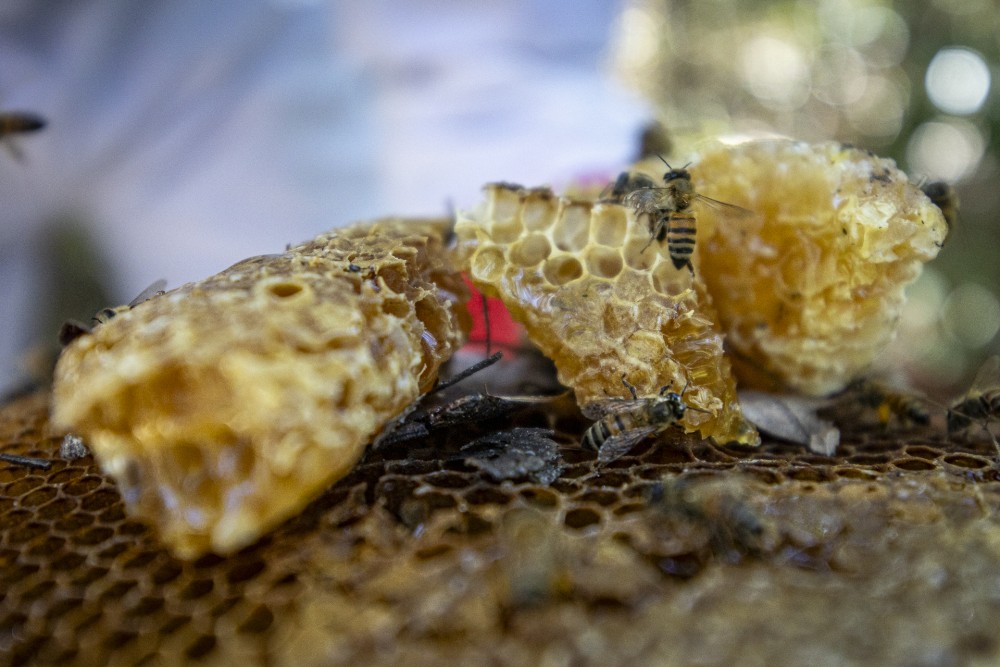
During the closure, other sources of income matter more than ever. Through its Community Outreach team, African Parks supports training for young people from villages around Bangweulu in beekeeping, a skill that earns households income during the closed season and long after it.
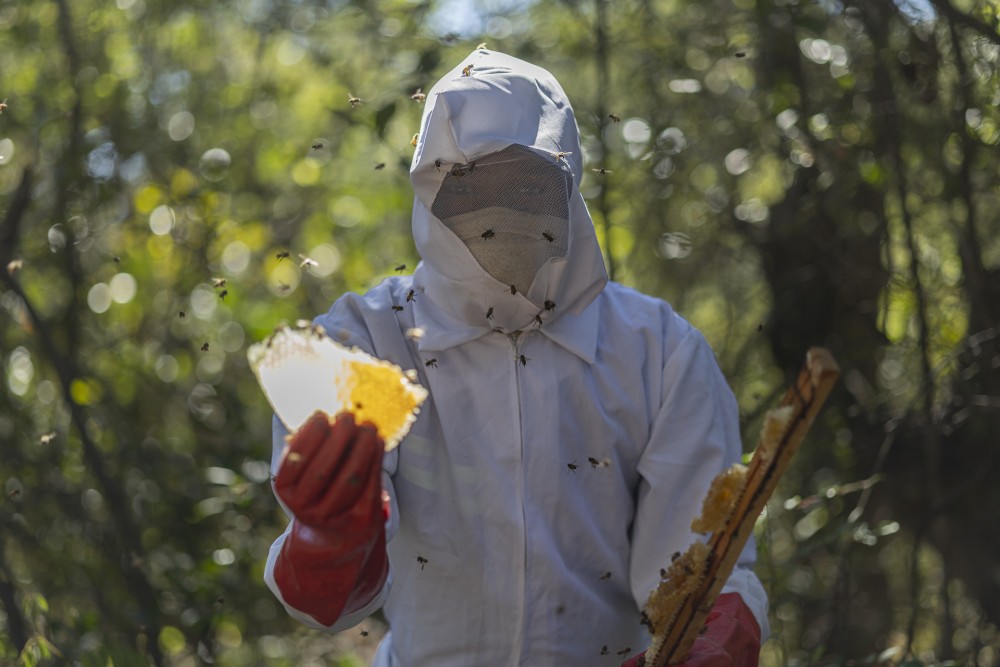
Freshly harvested honeycomb, ready for market.
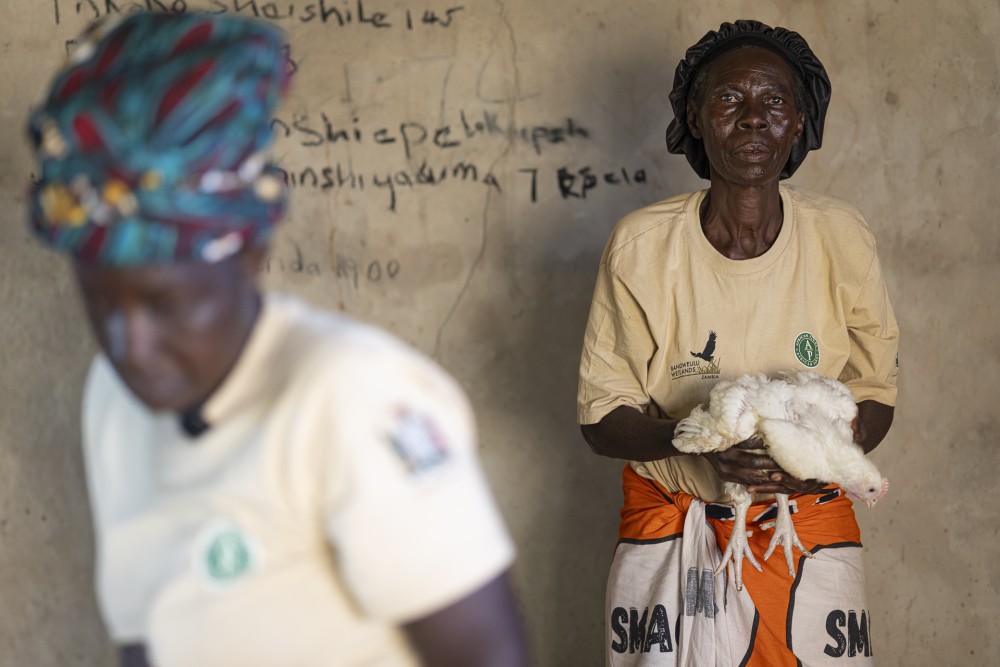
Other initiatives are smaller in scale but just as practical. In Chiundaponde, poultry projects, market trading and local services all form part of a wider effort to keep conservation connected to everyday life.
In a place as remote as Bangweulu, resilience also depends on access to basic services, and the park team works with local institutions to strengthen them.
At Chiundaponde Mini Hospital, staff once ran emergency surgery with the operating lights powered by a car battery. The hospital serves communities across a wide stretch of Bangweulu and holds one of the only ultrasound machines in the area. As a recent example of that support, African Parks donated a dual-fuel generator for emergency care and cold storage for medicines and vaccines.
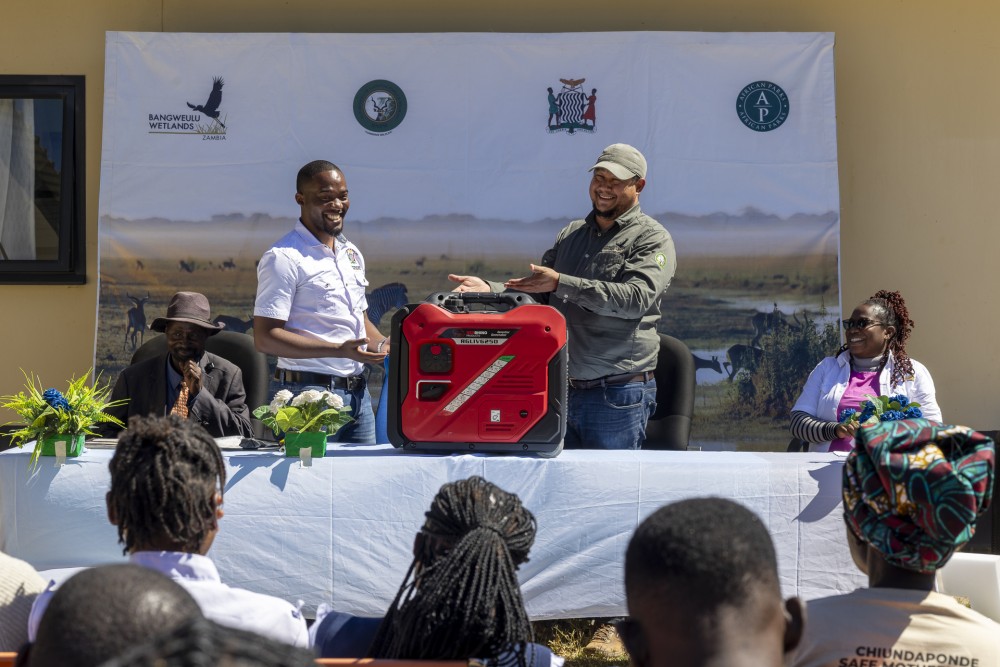
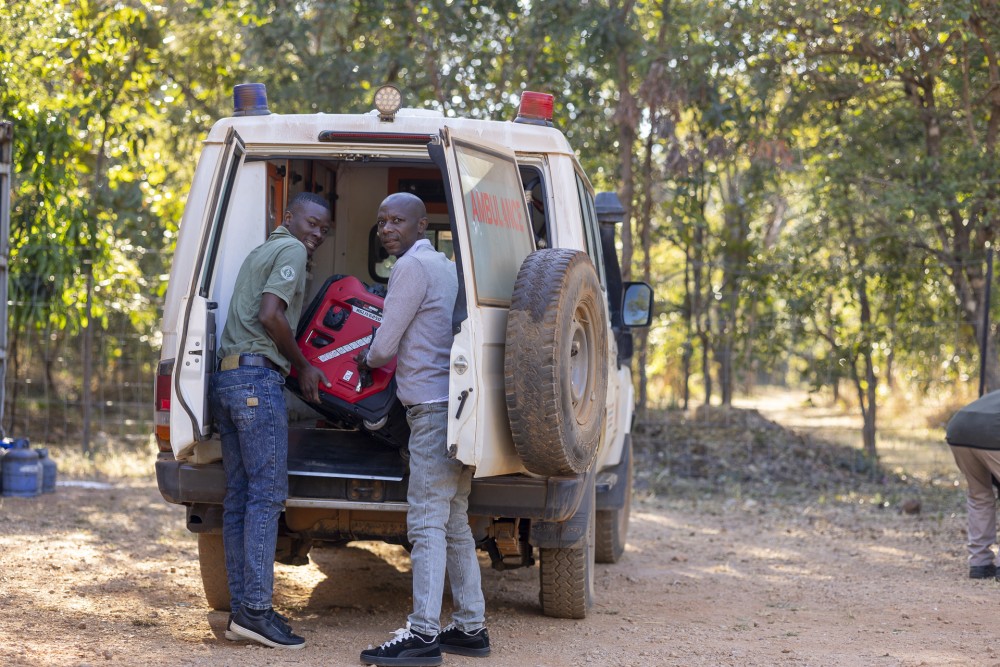
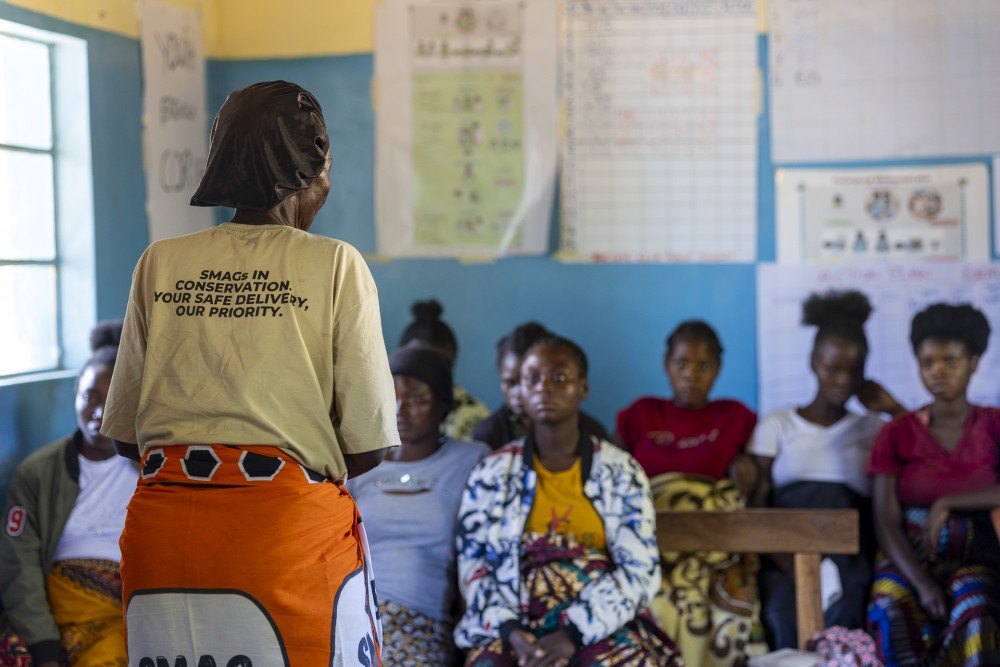
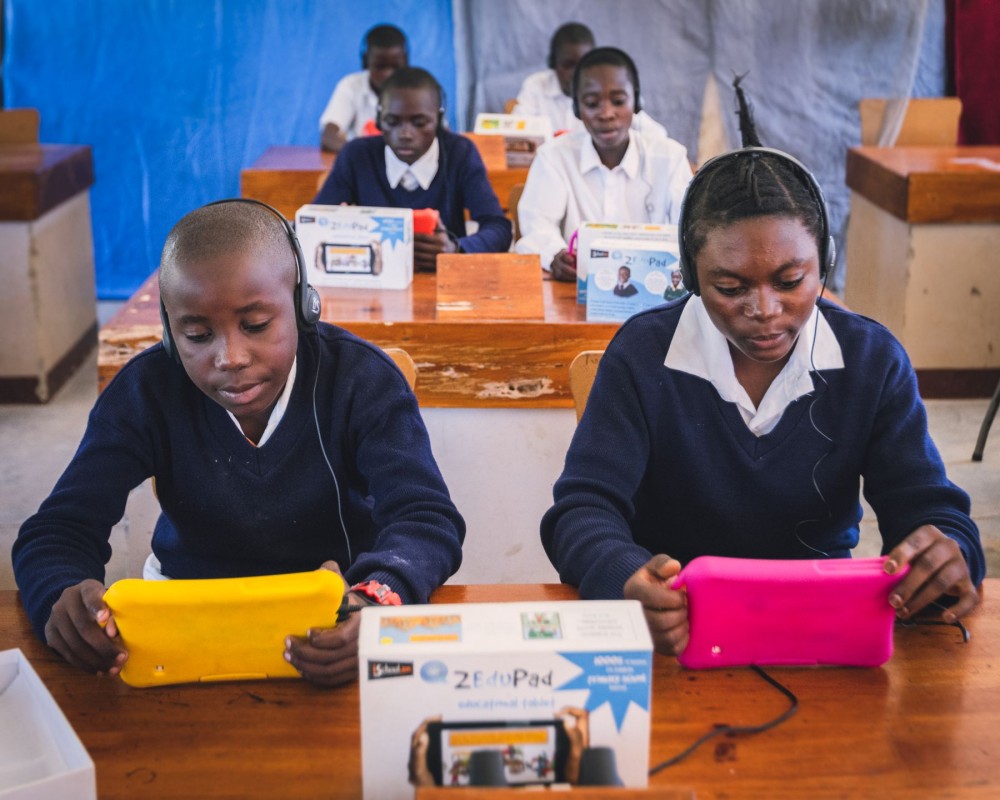
Alongside the hospital, Safe Motherhood Action Group volunteers encourage antenatal care and help women reach medical support when they need it. At the local school, Conservation Club pupils use tablets provided through the programme to learn about the wetland they live in.
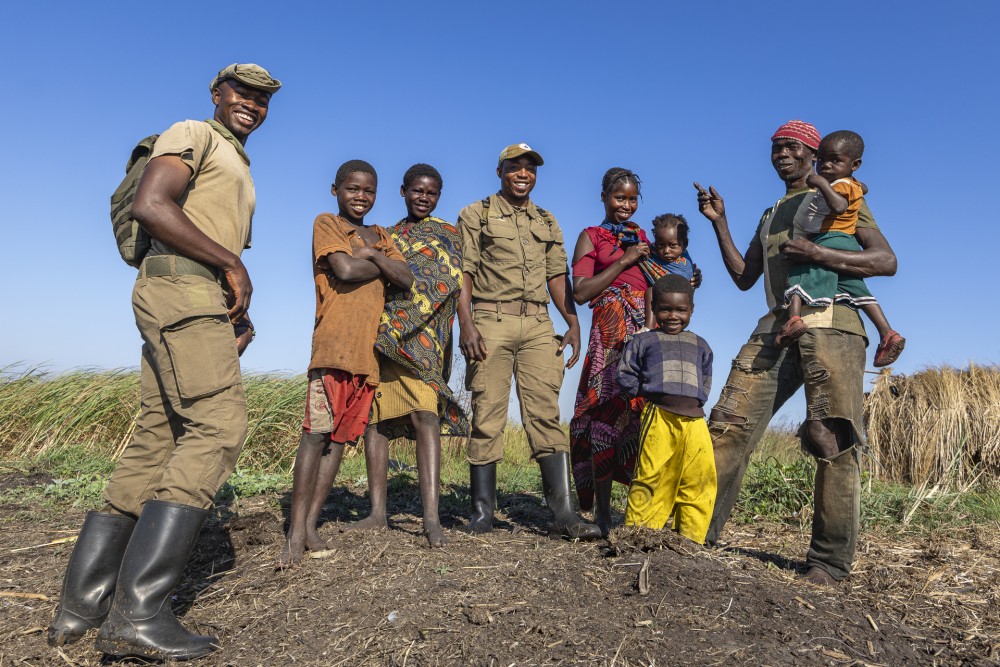
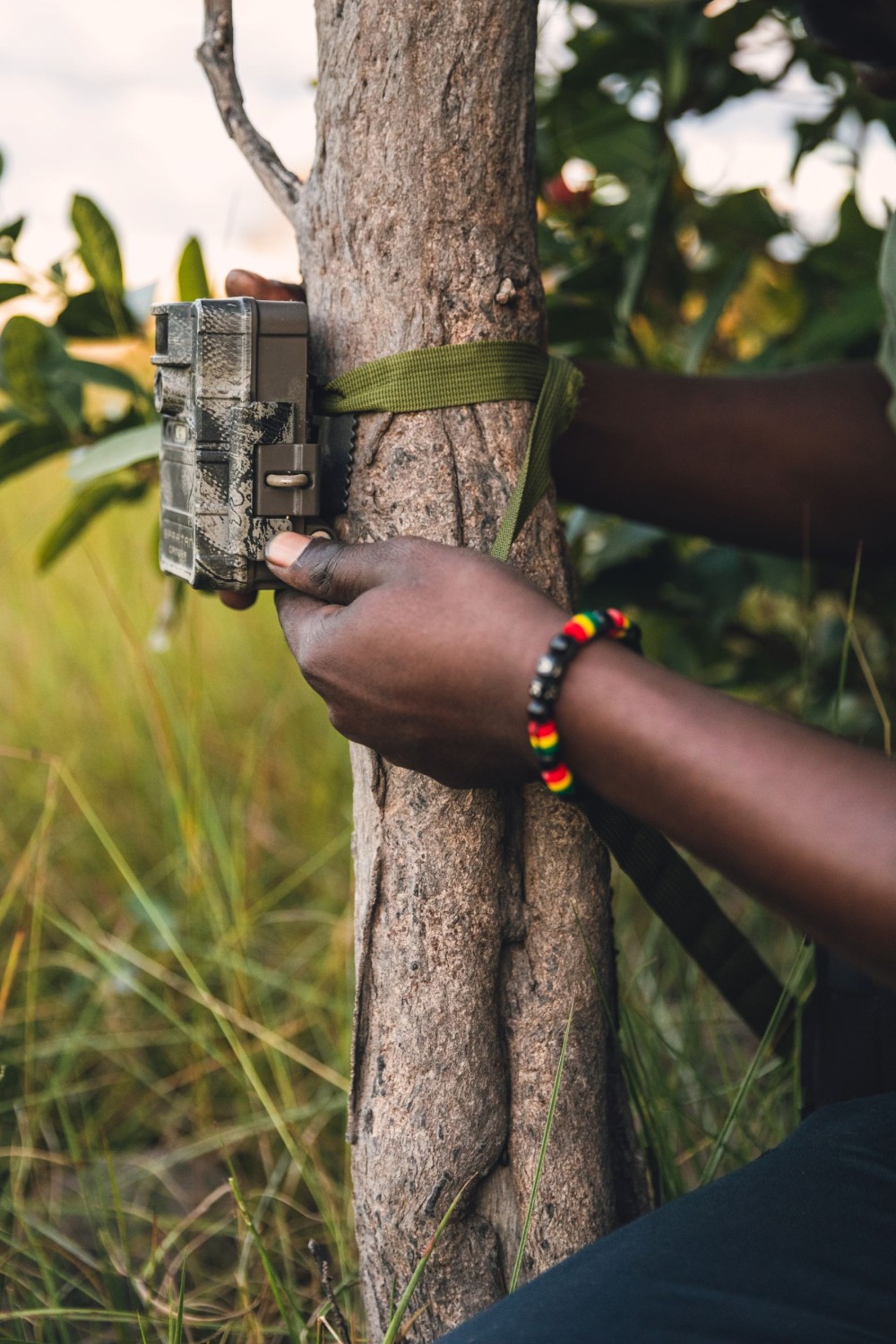
Law enforcement in Bangweulu is carried out by people who know the landscape. Community Scouts are recruited through local Community Resource Boards, then trained in wildlife law enforcement, patrol operations and field skills before deploying across the wetland. Their work ranges from antipoaching patrols and monitoring to the daily contact that keeps conservation grounded in the communities around them.
A Second Chance for the Shoebill
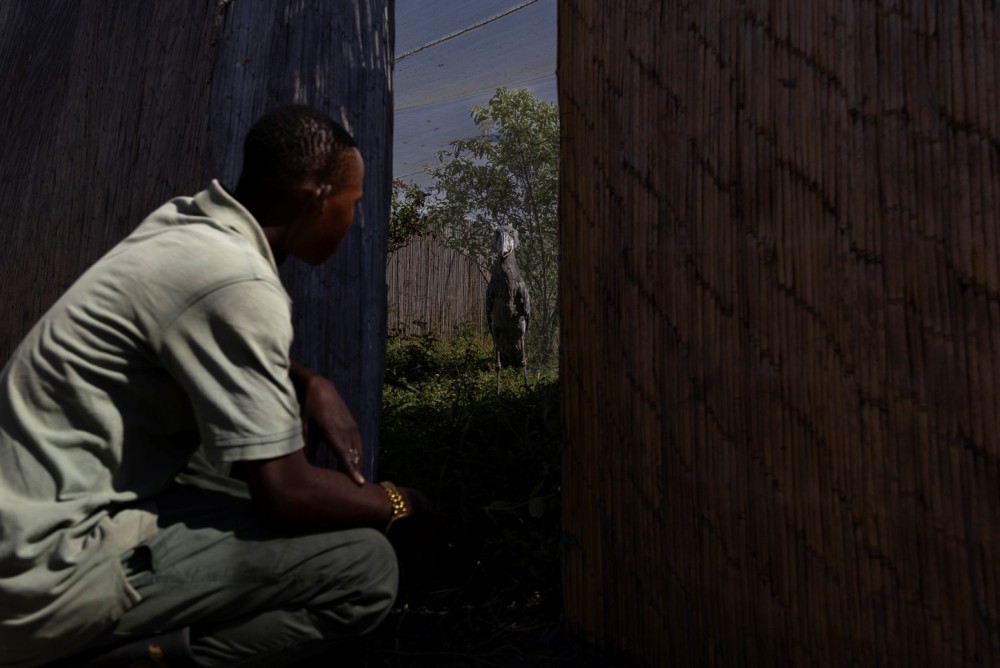
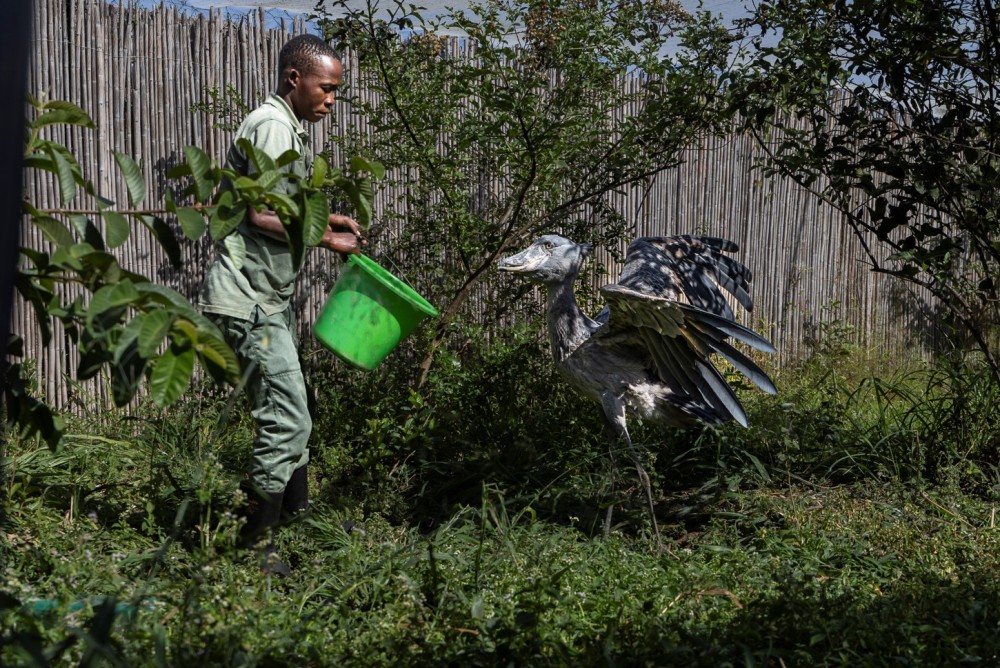
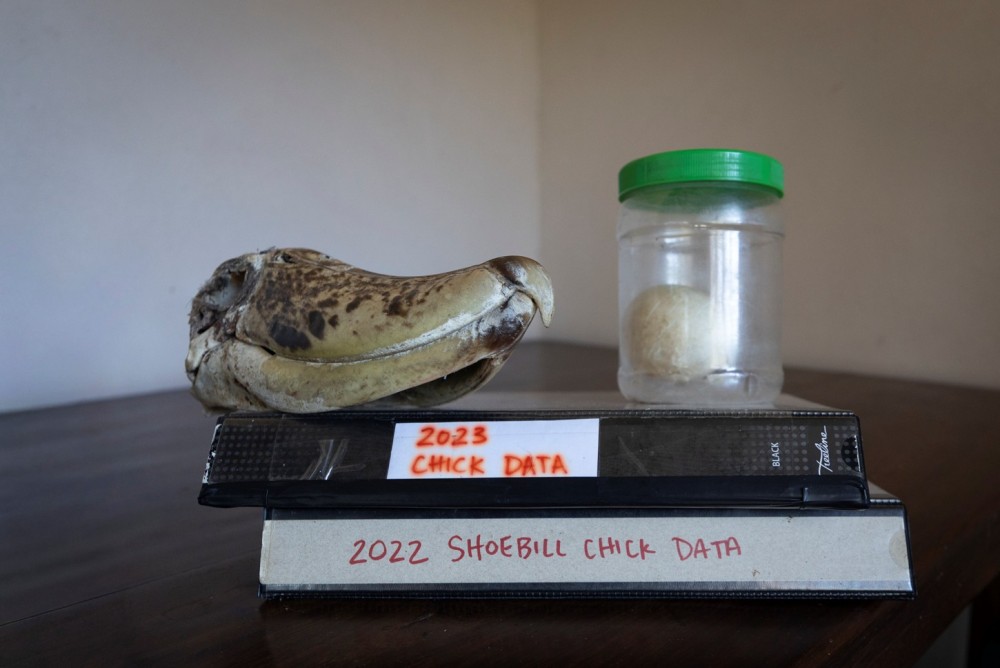
In the wild, community shoebill guards search for and monitor active nests throughout the breeding season. At the Shoebill Rescue Facility, Mupanga Mwewa, a technician hired from the local community, hand-rears chicks taken from two-egg nests, where the older sibling would usually outcompete the younger. He also cares for Phoenix, a shoebill whose beak was damaged in a wildfire.
In 2024, two hand-reared chicks, Sam and Bwalya, were released and have since been seen fishing on their own. Years of chick data are now kept on file at the facility, building knowledge for one of the only active shoebill hand-incubation programmes in the world.

Visiting a Wetland
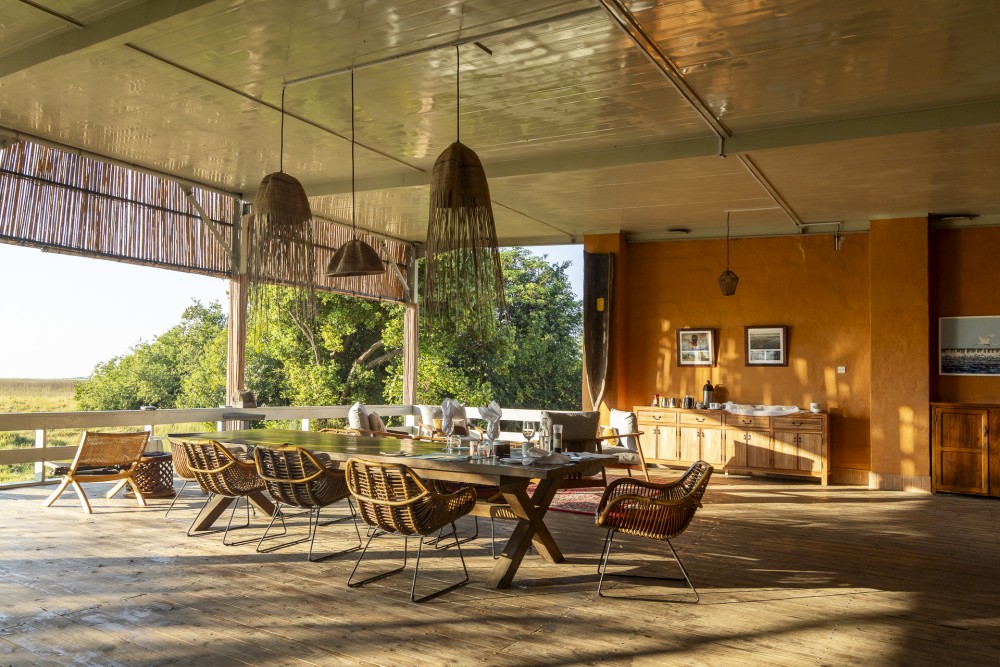
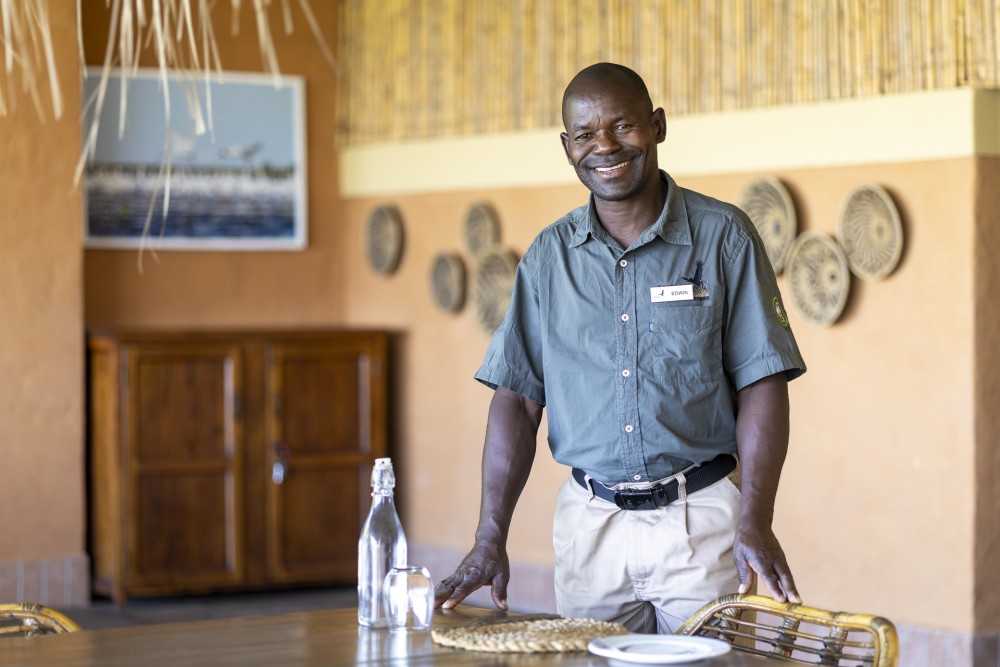
Visitors come to Bangweulu for the same things that make it so distinctive: shoebill, black lechwe, open floodplain and the chance to move through a wetland that still feels deeply lived in. Shoebill Camp generates revenue to support conservation and local employment.
Of all the significant ecosystems I have photographed, Bangweulu is one of the few where people and wildlife so visibly share the same ground. Fishermen guide visitors to the birds they have spent years fishing alongside. Rangers greet families living in the villages they were recruited from. Children paddle canoes past the lechwe herds their grandparents grew up hunting, now protected across the floodplain.
Incubation techniques are being perfected to release more shoebills released back into the wild, sustainable management has created thriving black lechwe herds across the floodplain, and community and infrastructure development is supporting livelihoods while allowing families to continue a life shaped by the water