Community Development
The long-term conservation of Pendjari National Park can only be achieved in collaboration with local communities and local authorities. With at least 40,000 people living around the park, building long-term support is a top priority. Agriculture is the primary source of income, and limited space for planting crops is the main challenge faced by local communities.
On the outskirts of Pendjari, 30,000 hectares are utilised by local communities for agricultural production and livestock. In collaboration with the Village Associations Union for Wildlife Reserves Management (AVIGREF), in support of vulnerable communities, sustainable livelihood projects have been initiated.
To help sustain local livestock health and minimise disease transmission between domestic animals and wildlife, an annual vaccination campaign reaches approximately 20,000 cattle, benefitting more than 900 herders. To further support communities, human-wildlife conflict (HWC) management and mitigation programmes are coordinated with W National Park.
Land-use planning helps regulate over 3,500 ha of agricultural land, supporting sustainable farming and facilitating human-wildlife conflict management. To further improve communication with communities, community facilitators lead regular engagement and conservation awareness sessions, in which approximately 6,000 people partake annually.
Education and Environmental Awareness
The park’s aim is to provide quality education that will support economic and social transformation while raising awareness of environmental issues. Twenty-three local schools on Pendjari’s periphery are supported with buildings, teaching materials and desks, and teachers’ salaries. Conservation awareness sessions, including 18 wildlife clubs, reach over 2,000 pupils annually. In 2025, a renovated two-storey building with six classrooms and a multipurpose room was handed over to Tanguiéta's First Secondary School.
Sustainable Enterprise Development
Creating alternative and more sustainable livelihoods for local communities is a priority. To support this, over 1,000 hectares of cotton and soybean fields in the Controlled Occupation Zones (ZOC) – buffer areas in the south west of Pendjari – have been converted into sustainable agricultural systems, managed by over 650 farmers.
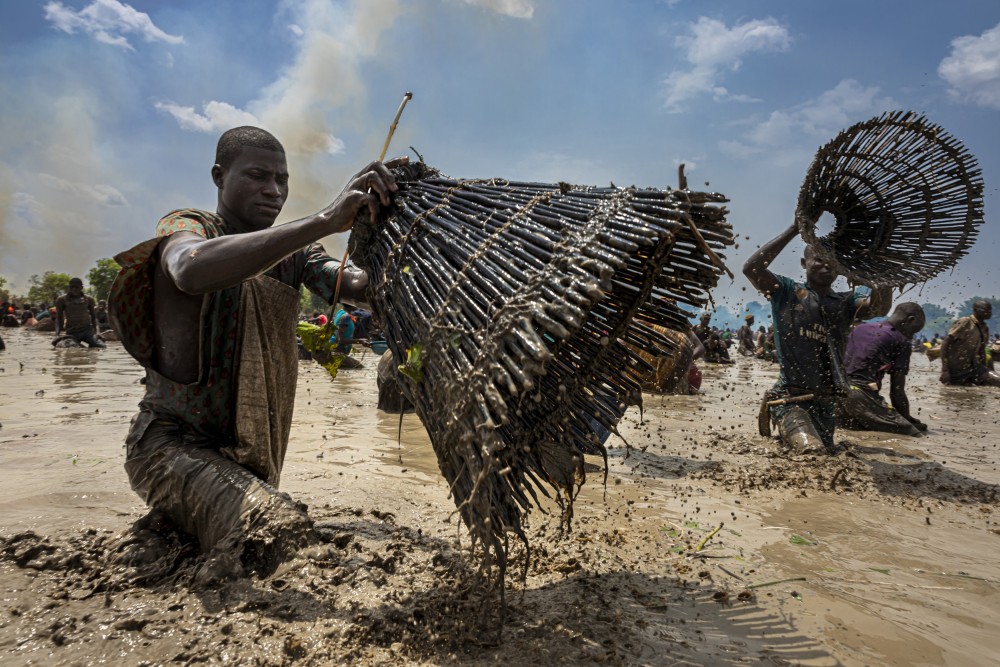
Formalised local cooperatives (vegetable oil processors and beekeepers) create micro-enterprises around the park. Community residents can also access park resources, such as fish, grazing, shea nut and medicinal plants.
Be the first to see impact in action
Join our community and stay connected on the latest news and stories.