Community Development
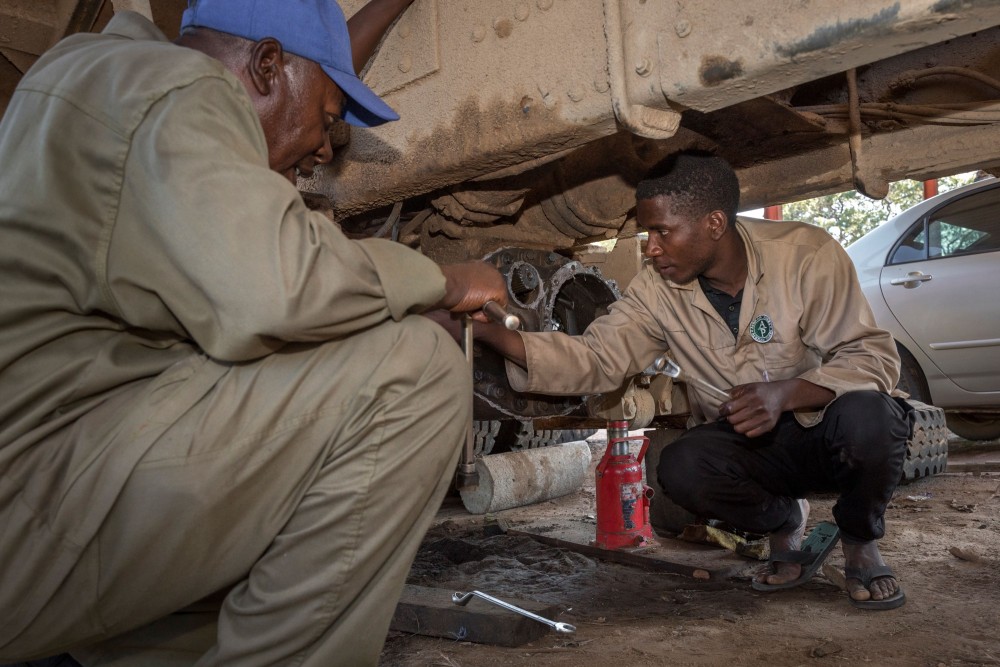
The scale of the community surrounding Kafue is significant, in size, extent and complexity. With the Community Development team, the Kafue park team has established employment, education and community development projects to improve the livelihoods of local communities and ensure people can benefit from the park and its biodiversity. Infrastructure development and skills-based training to provide local employment remain top priority.
Community Engagement
Regular community engagement meetings are held in local villages to establish open communication and assess the needs of people, while park management meetings are held with the Community Resource Boards (CRBs) and chiefs. As a result, community governance continues to strengthen, with elections and training held for new Community Resource Boards (CRBs). A comprehensive grievance mechanism supports a clear flow of communication and transparency between park management and communities.
An Environmental and Social Due Diligence (ESDD) conducted across the Greater Kafue Ecosystem (GKE) has resulted in the development of an Environmental and Social Action Plan for Kafue National Park.
Education and Environmental Awareness
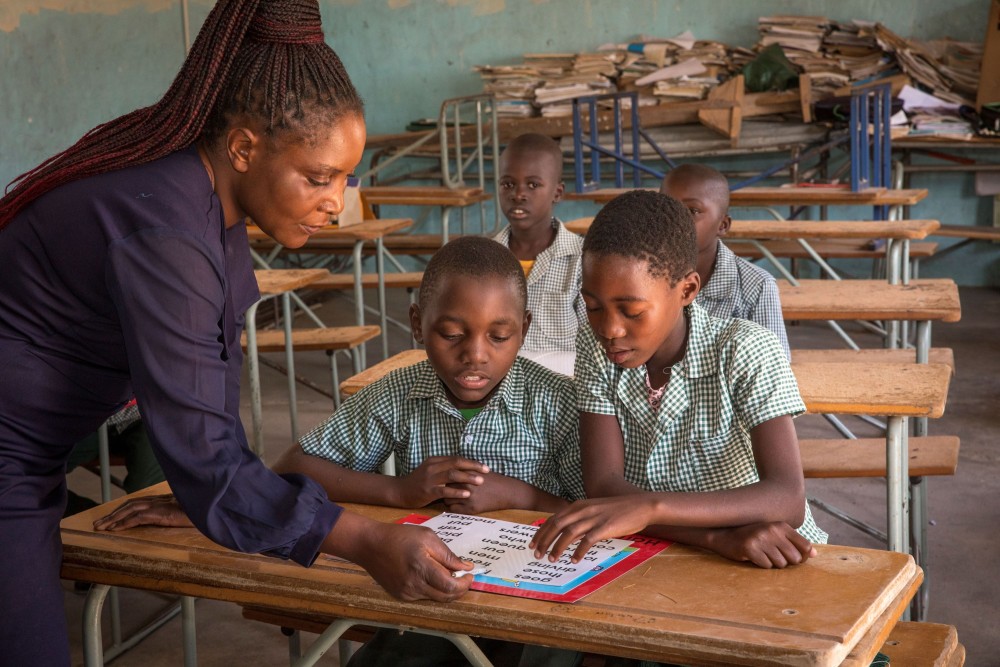
Investment into future generations continues with the Happy Readers literacy programme, run in two schools in Chunga and Ngoma. These two schools, as well as a third, have been provided with additional support, such as Mwabu educational tablets and ZeduPads, which are solar-powered, pre-loaded tablets that enhance teaching and learning. Altogether, over 500 schoolchildren are being supported with educational resources annually, and two new school buildings are being constructed in Kafue North and Central.
The Kafue Bursary Scheme was launched in 2024, providing 45 scholarships to primary and secondary school students, while 18 vocational training bursaries were taken up by young adults. Forty-five radio programmes spread conservation awareness via two community radio stations.
Sustainable Enterprise Development
To provide local communities with alternative and sustainable livelihood opportunities, several initiatives are ongoing, one of which is the supply of fish by some 200 local fishermen to a drying facility. A comprehensive management plan for the Lake Itezhi-Tezhi fisheries industry is being developed. The fisheries have an estimated gross value of US$4 million per annum, providing sustainable livelihoods for the local community.
Be the first to see impact in action
Join our community and stay connected on the latest news and stories.