Across Chad’s protected areas, conservation is increasingly becoming a space for learning, research and practical field experience.
From students conducting wildlife surveys in Siniaka-Minia National Park to archaeology researchers working in Ennedi Natural and Cultural Reserve, parks managed by African Parks in partnership with the Chadian government are helping create opportunities for young people and academic institutions to engage directly with some of the country’s most important landscapes.
For some students such as Yvette Guenang Aounigué, a visit to Zakouma National Park became a turning point. As one of more than 80 geography students from the University of N’Djamena to spend a week immersed in the park in 2025, she arrived to observe and learn. She left with a clearer sense of purpose, inspired to pursue research focused on one of the region’s major environmental challenges: the impact of bushfires on wildlife and vegetation.
Motivated to deepen her understanding, Yvette later returned to Zakouma for a three-month internship within the conservation department in 2025. Working alongside park teams in the field, she developed technical skills, deepened her understanding of ecological dynamics, and explored both the causes and consequences of bushfires.
The experience also helped her build confidence in defending and presenting her research. Looking back on her experience, Yvette said: “Zakouma has had a positive impact on both my outlook and my journey. It is a heritage everyone should have the opportunity to discover.”
She also shared a message for other young people interested in conservation: “Be strong and courageous. Dare to learn and get involved.”
Zakouma National Park
 © Behanzin Bemadji
Yvette’s experience reflects a broader effort to connect students with the realities of conservation in practice.
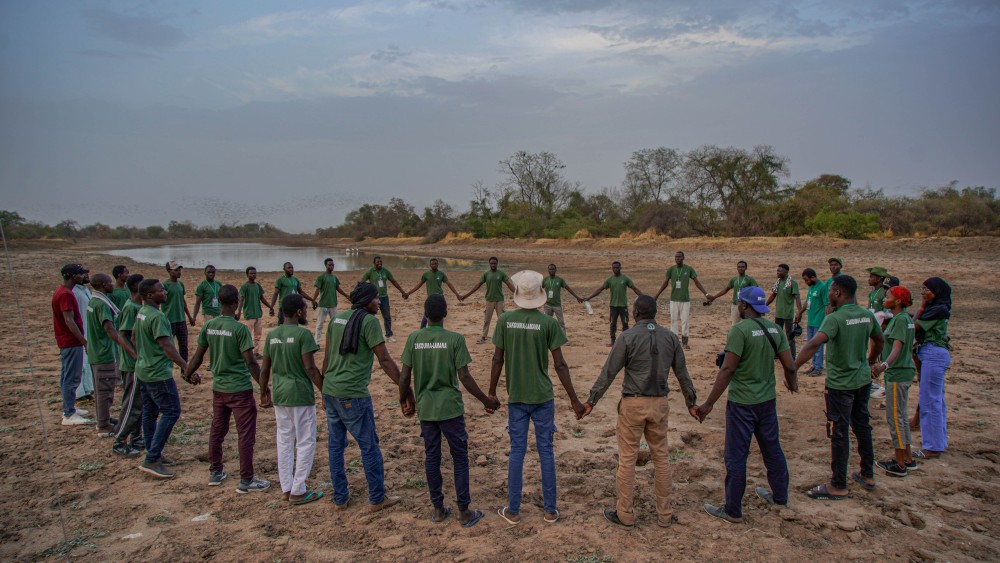
During their visit to Zakouma National Park, students from the University of N’Djamena took part in educational safaris and spent time with park management teams, gaining insight into how a protected area operates, the strategies used to safeguard biodiversity, the complexities of ecosystem management, and ongoing anti-poaching efforts.
For many students, it offered an opportunity to move beyond theory and engage directly with the day-to-day realities of managing a protected area. Through exchanges with park teams, students were able to ask questions, test their academic knowledge against real-world experience, and better understand the many dimensions of conservation work.
Siniaka-Minia National Park
 © Irene Galera
While Zakouma is helping inspire future conservation leaders, Siniaka-Minia National Park is creating opportunities for students to build practical scientific experience in the field.
In 2025, three Master’s students studying biodiversity conservation at Alexandria University completed a six-month academic internship in Siniaka-Minia National Park. Doussey Ruth Victoria Sossou from Togo, Josette Meleard from Haiti, and Laye Bérété from Guinea-Conakry were brought together by a shared commitment to conserving ecosystems.
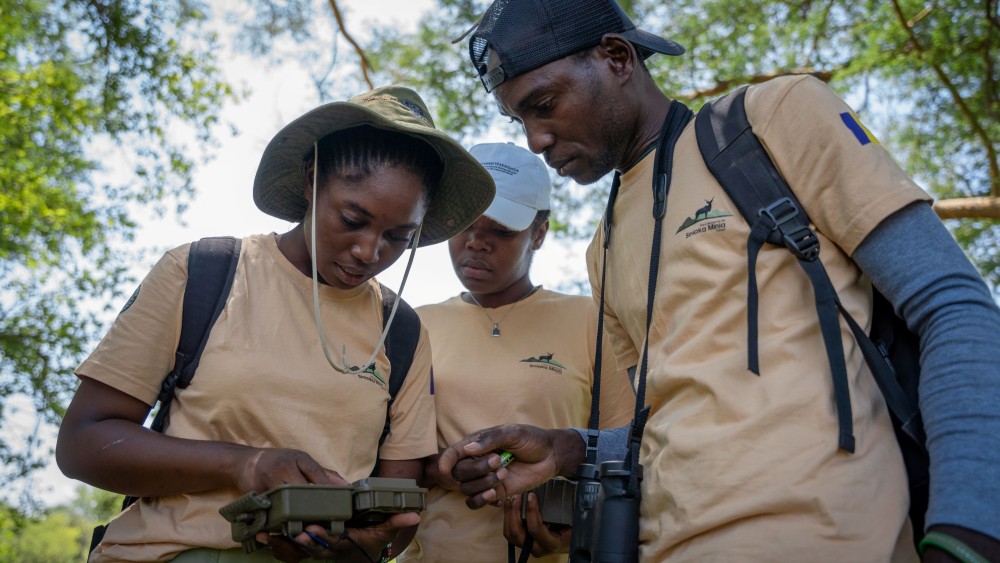
During their time in the park, the students participated in activities including installing camera traps, conducting wildlife surveys, taking part in aerial monitoring, and carrying out community interviews.
The internship provided hands-on conservation experience while also contributing to the management of the park itself.
Beyond technical training, the programme encouraged international exchange and scientific collaboration, helping strengthen conservation knowledge and practice across the region.
Ennedi Natural and Cultural Reserve
 © Orozi Barkadei
In northeastern Chad, the Ennedi Natural and Cultural Reserve is strengthening links between conservation and academic research through a long-term partnership with Adam Barka University in Abéché.
Recognised as a UNESCO World Heritage Site, Ennedi is known not only for its dramatic landscapes, but also for its exceptional archaeological heritage, preserving traces of human presence dating back thousands of years.
The partnership is creating opportunities for students to undertake academic internships within the reserve, contribute to applied research projects, collaborate with lecturers and researchers, and help document and promote Ennedi’s natural and cultural heritage.
Through this collaboration, doctoral students have already participated in archaeological excavations within the reserve. One of them, PhD student Célestin Gabi, conducted field research focused on Neolithic ceramics in the central Sahara, specifically in the Ennedi region of northeastern Chad.
Explaining the significance of the area, Célestin said: “This area was chosen because of the richness of its archaeological remains and the diversity of traces of human occupation. There are a wide variety of sites, including rock shelters and open-air sites located on ancient dunes, plateaus, or former lake shores. These remains testify to long-standing and continuous human occupation, as well as the ability of populations to adapt to environmental changes during the Holocene period.”
He added: "Ceramics, which appeared from the beginning of the Holocene, are key elements for understanding manufacturing techniques and interactions between populations at both local and regional scales.”
Investing in the Future of Conservation
 © Behanzin Bemadji
These collaborations between parks and academic institutions are helping build a stronger foundation for conservation in Chad by giving students and researchers direct exposure to field-based work and applied science.
As more young people gain practical experience in ecology, wildlife monitoring, archaeology, and protected area management, they are also developing the skills and knowledge needed to contribute to the long-term stewardship of the country’s natural and cultural heritage.
By combining education, research, and conservation practice, these initiatives are inspiring a new generation of conservation professionals equipped take on the opportunities and challenges with the region.