The Aouk-Keïta landscape is being restored thanks to lobbying by local communities, a project partnership between the Chadian Government and African Parks and a holistic and participative land use plan.
On the path to recovery
The 33,000km2 Aouk-Keïta landscape in south-eastern Chad is a diverse landscape that includes Ramsar wetlands, wooded savannahs, gallery forests and important fluvial ecosystems, including the Aouk and Keita rivers. Historically, the area also served as a vital ecological connection and migration corridor for both wildlife and transhumant herders between protected areas in Chad and the Central African Republic (CAR).
Over time, communities in the Aouk-Keita Landscape noticed a decline in wildlife numbers and an erosion of the ecological functions once provided by this landscape. In part, this was caused by unsustainable resource use.
Older community members retained memories of large herds of antelope and buffalo, and rivers with abundant fish.
“From my childhood until 2006, we saw a lot of animals. But after the safari company left, poachers came and killed everything. Now I see that wildlife is starting to increase after African Parks’ intervention. The presence of animals is good for the village, and AP has given us security. If poaching continues, we won't have services for the village, such as jobs and schools. Conservation, on the other hand, offers us these benefits." Mahamat Idriss, village co-chief, Massambagne 1 village
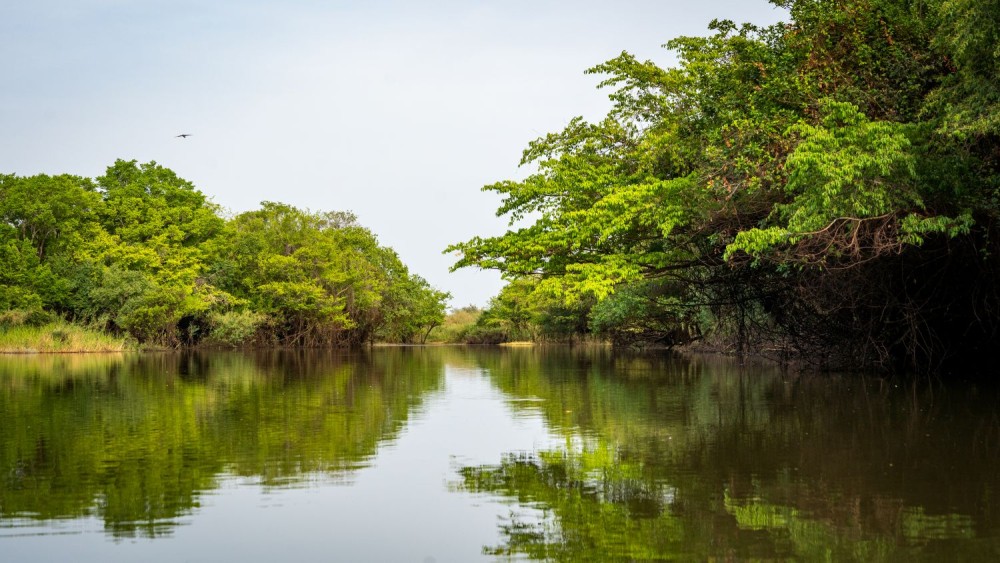
Designated as a hunting ground until 2007, this scarcely populated area experienced a marked decline in natural resources and wildlife due to a combination of very limited management, lack of protected status, conflict, isolation, oil exploration and opportunistic, seasonal poaching.
At the same time, the lack of effective strategies to regulate expanding local and cross-border transhumance, as well as widespread unsustainable fishing, hunting, mining and farming practices, led to severe soil degradation. This in turn contributed to both unprecedented flooding and prolonged periods of drought that affect both wildlife and local inhabitants.
“It has become more difficult to find places to cross. Aouk gives us security because [surveillance and conservation activities] protect us from attacks. However, now I see that there is less grass.”- Alhadj, Chadian transhumant travelling from eastern Chad to northern CAR in search of pasture and water.
However, communities wanted to see both wildlife and the ecological functions they still remember returning and were reaching out for support. After working together with African Parks for over ten years to restore the Greater Zakouma Ecosystem, the Chadian Government began to explore options for expanding this partnership and restoring this crucial landscape.
A project begins
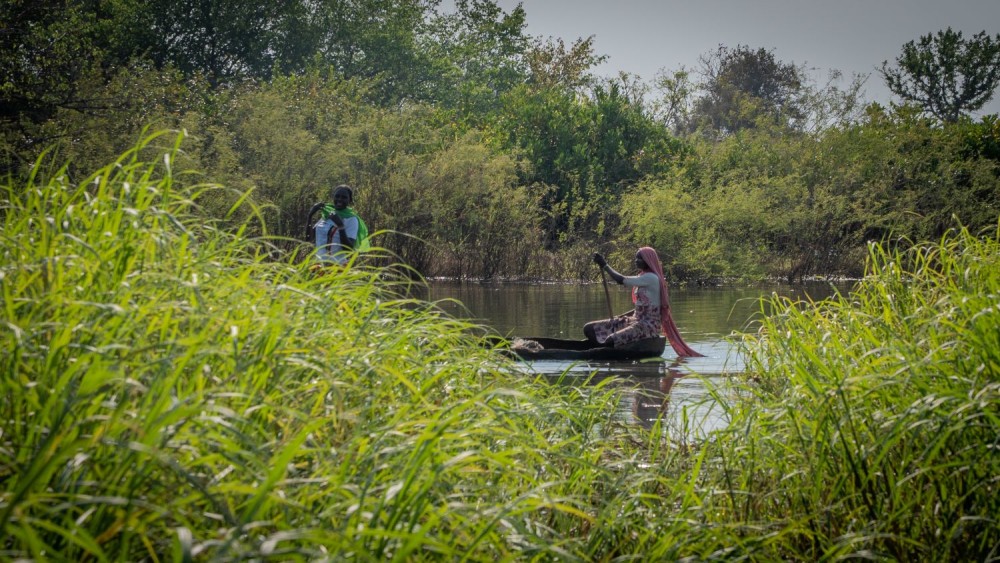
This initial exploration led to the signing of a four-year project agreement in 2020, subsequently extended until 2027 and financed by the European Union (EU) under ECOFAC and NaturAfrica programmes. While the landscape does not currently have protected area status, this project agreement has allowed the Chadian Government and African Parks to draft a holistic land-use plan for the wider Aouk-Keïta landscape in consultation with local community stakeholders.
This plan is intended to address several interwoven challenges: promotion of local development and sustainable use of resources, prevention of human-wildlife conflict and restoration of the area’s ecological functions.
Since 2020, scientific research and community surveys have been a vital means ofassessing the area’s ecological value at a larger scale, with annual camera trap data enabling population estimates for key endangered species such as the southern lion, leopard, wild dog, hippopotamus, Guereza colobus and red-necked ostrichs.
In 2025, the Aouk-Keïta teams launched the first track fish survey in collaboration with local fishers, exposing the toll of years of unsustainable practices, but also pointing to the current land use plan’s prospects for ecosystem recovery.
Local community participation and engagement
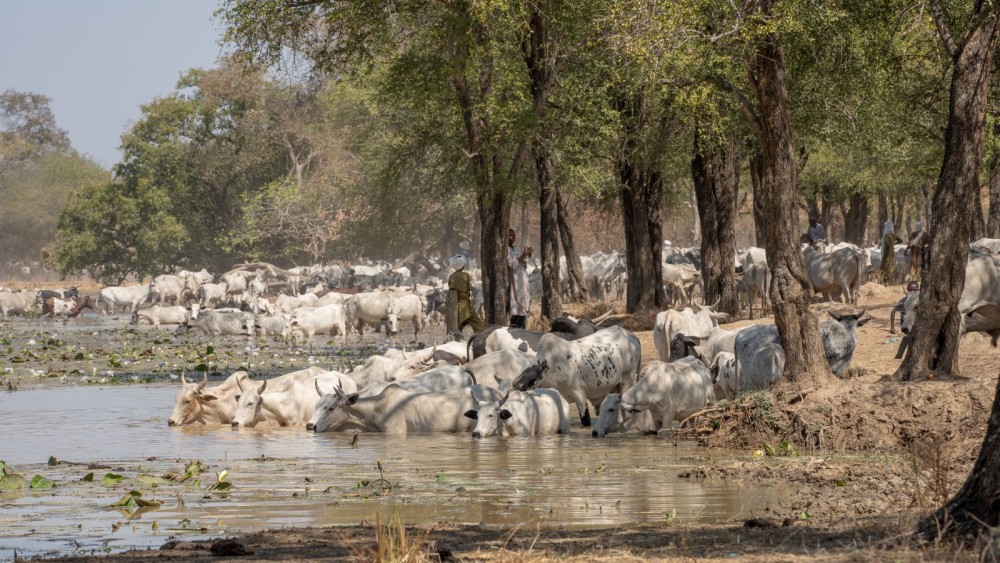
The daily lives of local communities in the Aouk-Keïta are inextricably bound to their land, water, and wildlife. With natural resources becoming scarcer, plus the impact of reduced food security and drought and flood events, it is crucial that these stakeholders become the prime beneficiaries of conservation and landscape management decisions.
Following the Free, Prior and Informed Consent (FPIC) principle, the land use plan was drawn up in consultation with local authorities, farmers, transhumant herders, fishers and other key actors. This strategy envisions the designation of community conservation areas, wildlife corridors, agricultural and fishing areas, and transhumant corridors – a critical measure to mitigate the risk of conflict between sedentary and nomadic communities over access to land and water.
"Managing the area is a good thing because it will help us better protect the fishing grounds." Sylvain Nagylom, fisher, Dingirti village
Sensitisation and dialogue are essential for strengthening ties, keeping all stakeholders informed, and gathering local needs and perspectives. Hence, Aouk-Keïta’s community development facilitators regularly cover the vast territory, conducting awareness-raising activities with sedentary and nomadic communities. Their work was reinforced with the deployment of 20 fisher and transhumant sensitisation agents, also known as Tangos and Echos, in February 2025.
"The Aouk protected area has always been important. It needs to be revived. But to do that, security needs to be strengthened, protected areas clearly demarcated and villagers well informed. This place is our common heritage.” Ali Barcham, chief of the canton of Hemat de Haraze, one of the province's main towns
Pending the signing of an agreement for long-term management of the ecosystem, Aouk-Keïta highlights the importance of developing land-use plans in close collaboration with all local stakeholders, recognising the complexity of conservation at scale and combining ecology, traditional wisdom and sustainable development.
"Aouk-Keïta is the future for our children. We support this project and would like the park to involve the people of Batimera. As chief, I spread the message about environmental protection after prayers. I explain to the population that they must not kill animals and that they should report any incidents to me." Brahim Yakhoub, village chief of Batimera
17 February 2027